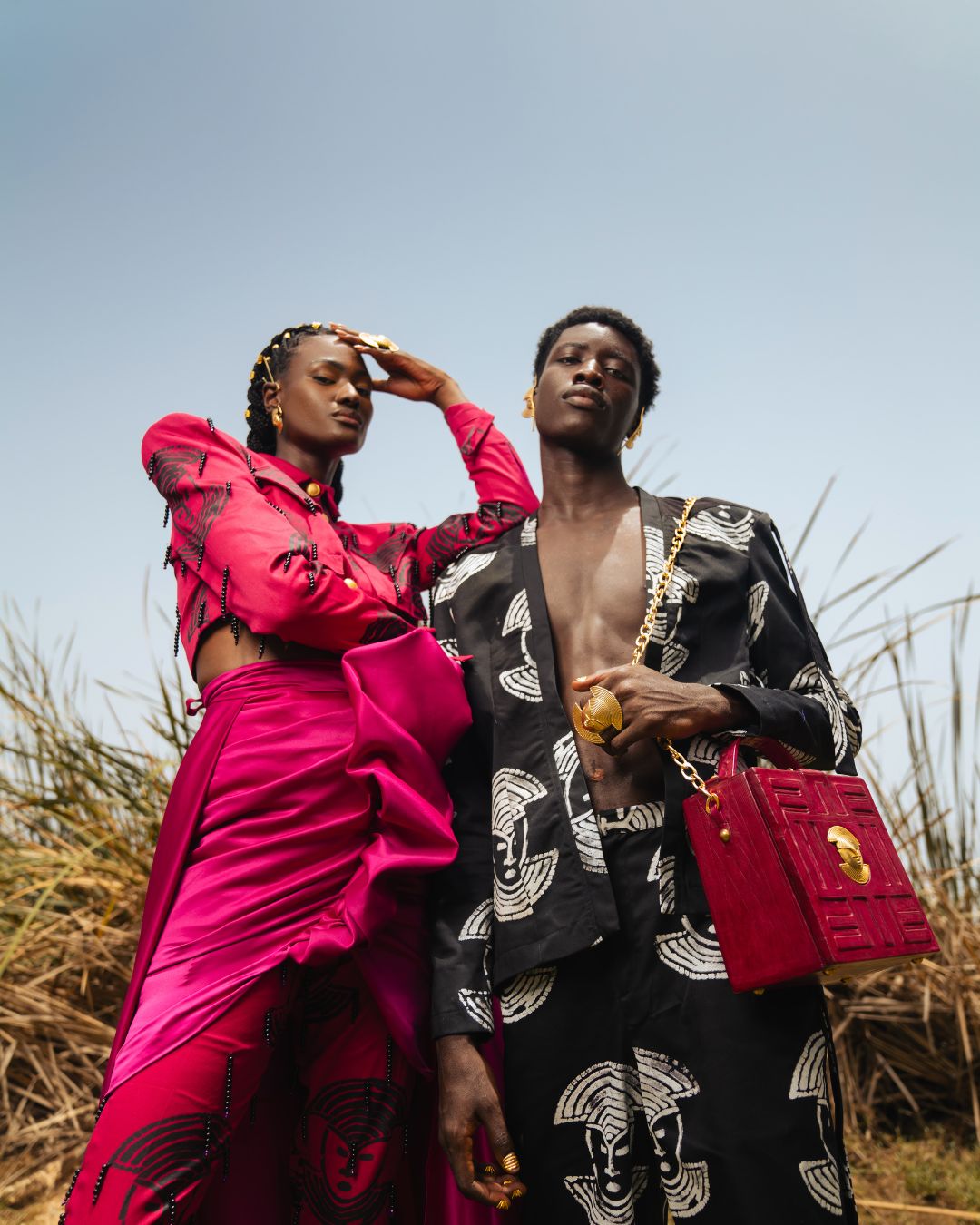
The future of beauty in Africa
The cosmetics sector in sub-Saharan Africa is no longer just a promise of distant growth, it’s a concrete and complex reality. To understand the inner workings of this industry, Ramata spoke to Africa Fashion Tour expert Léna Gnininvi. Currently Africa Sales Director for Kiko Milano, her background bridges the gap between the rigor of European luxury and the agility required on African markets.
From Benz Nanas to Cosmetics
Originally from Togo, Léna Gnininvi has lived in Côte d’Ivoire for the past twelve years, and carries within her the heritage of the “Nanas Benz”, the legendary businesswomen who built empires in the Togolese loincloth trade.. From an early age, this entrepreneurial spirit was combined with an all-consuming passion for beauty. By the age of five, she had already mastered the art of braiding, a harbinger of a career dedicated to aesthetics..
After business studies in France and a Master’s degree in purchasing, she gained strategic experience with Sephora and small cosmetics companies.. In 2012, she anticipated the needs of the diaspora by creating Nana Secretsa beauty box dedicated to black women, a project that attracted the attention of the Jumia group and marked her return to the continent in 2015.
The story of a “Repat
Léna Gnininvi is one of the pioneers of the “Repat” movement. Yet she approaches the subject with disarming frankness. If, after the 2008 crisis, Africa was seen as the next lever for global growth, the reality on the ground calls for great humility: “Africa waits for no one”, she insists.
She explains that economic models imported from the West often come up against a different social organization, electoral cycles that slow down long-term investment, and a lack of safety nets such as unemployment benefits. To succeed, Léna had to unlearn in order to relearn, adjusting to the real needs of the population rather than those imagined from Paris.
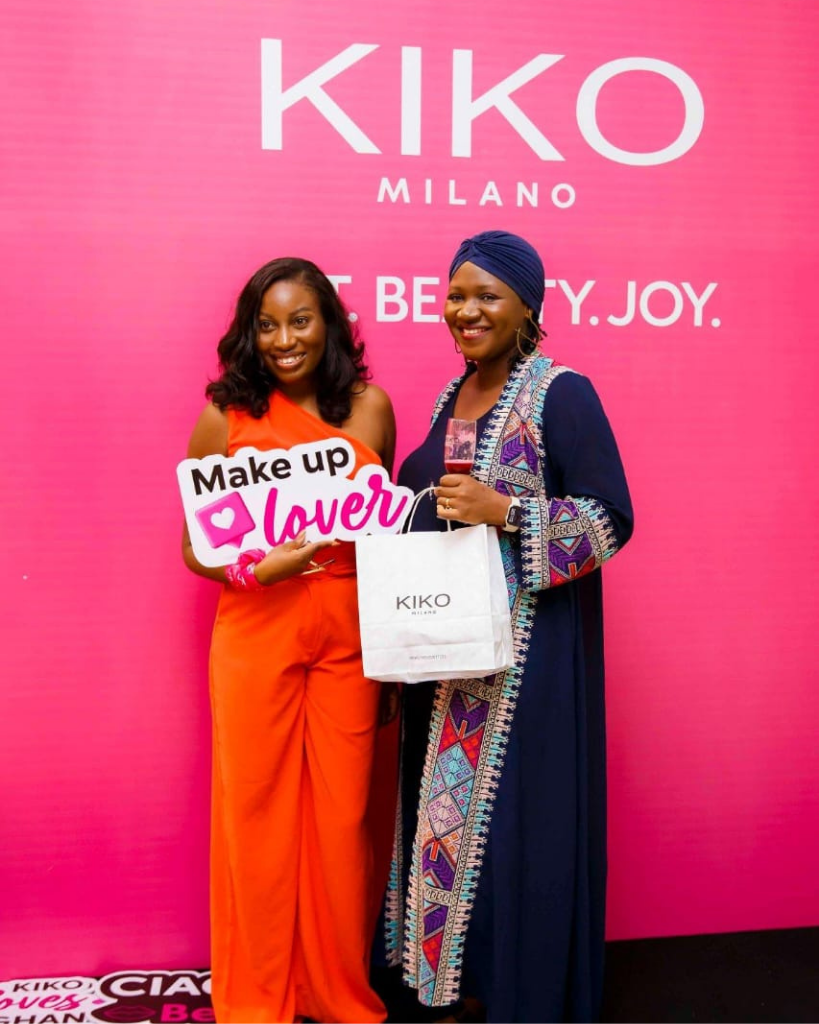
The revolution in beauty standards
Léna analyzes the sociological evolution of beauty, Ten years ago, the market was dominated by two major segments: straightening and depigmentation.. Today, Léna observes a paradigm shift. Thanks to public action and education, depigmentation is on the decline.. The Nappy (natural hair) movement has also transformed the sector, creating a demand for specific treatments that international brands sometimes struggle to meet.
She highlights a major opportunity for local entrepreneurs: “Depigmentation or traction alopecia are specifically African niche problems. Very few international brands are going to enter laboratories for these subjects”. This is where local champions like Laboratoire Adeba come into their own, offering targeted, effective solutions.
Kiko Milano’s strategy in Africa
Since joining Kiko Milano, Léna Gnininvi has been driving dynamic expansion in Côte d’Ivoire, Kenya and Ghana.. The brand stands out for its “velocity” compared to the big luxury houses, where decisions are often highly centralized..
Kiko’s approach in Africa is a model of adaptation:
-
Inclusion: Unlike Europe, where inclusion aims to integrate darker shades, in Africa Kiko makes sure to serve black skin as well as the strong expatriate and Lebanese communities..
-
Digital as a thermometer: Léna favors influencer marketing and digital for their ability to generate immediate feedback.. “Comments under a content creator’s post educate us enormously about product quality or customer expectations.”.
-
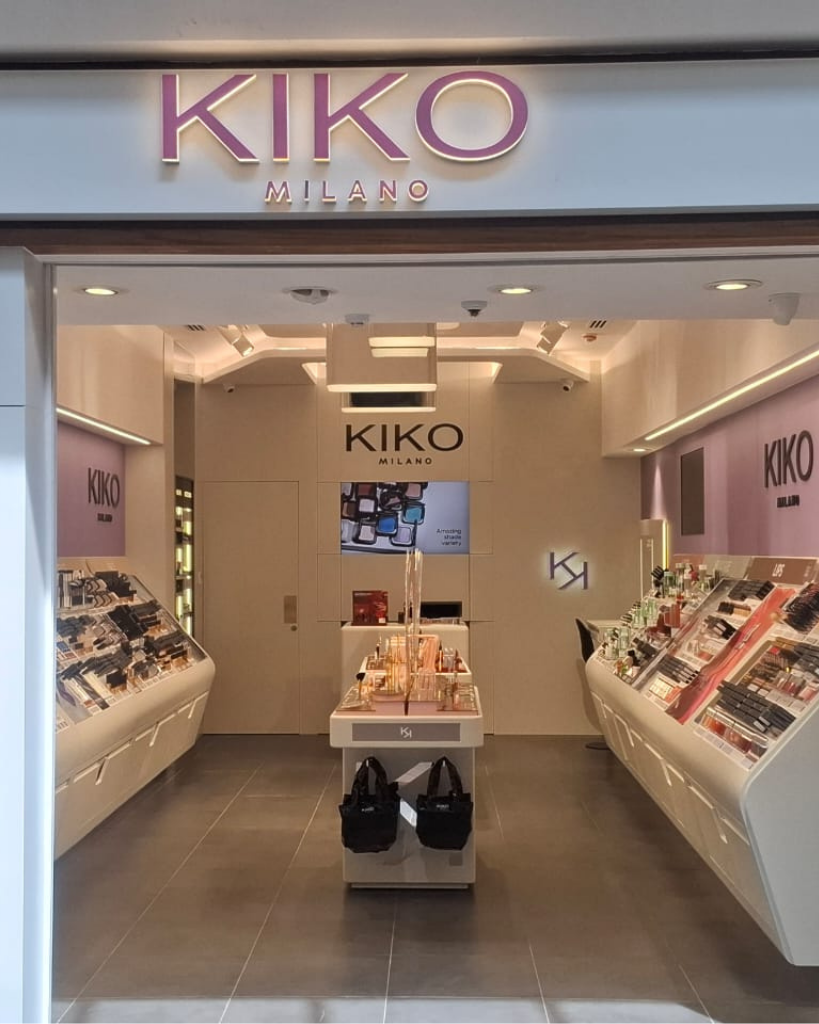
Retail expansion: The brand relies on its own boutiques located in strategic shopping centers, offering a customer experience of international standards..
The future of beauty in Africa
For Léna, the African market is gaining in maturity. Consumers have become experts, deciphering ingredient lists and rejecting “copy-and-paste” European skincare offers that treat wrinkles instead of radiance or acne..
She foresees a lasting cohabitation between international brands and traditional rituals. “In the bathroom of a middle-class woman, you’ll find the big jar of shea butter bought at the market next to her Chanel bottle.”. While the arrival of giants like Sephora still seems uncertain in the short term, Léna is convinced that local entrepreneurs have a trump card to play in creating the concept stores of tomorrow..
Léna Gnininvi embodies this new generation of leaders who are helping to build a sustainable ecosystem that respects the specific identities and needs of the African continent.
Read also