
The stylistic wealth of the African continent cannot be summed up in a few words. The African fashionis a mosaic of vibrant fabricsancestral stories and artistic expressions that today fascinate the whole world. Africa Fashion Tour has been plunging into the heart of these varied inspirations for several years, to shed light on this unique evolution. We look back on a fascinating journey through the ages, punctuated by the creativitythe natural resources andidentity of a continent on the move.
The roots of African fashion between tradition and identity
Long before the globalization of fashion, each region of the continent developed its own styles of dress. Clothes and accessories weren’t just for protection and adornment. They also expressed powerful symbols of identityor tribal affiliation. This heritage, embodied in African fabrics such as loincloth, kente or boubou, reflects the constant dialogue between local customs and individual expression.
Through their clothing, Africans were already asserting their singularity singularity during ceremoniesinitiation rites or religious festivals. Visit motifs, colors and ornaments were passed down orally, forging a history history of fashion which is anchored in the collective memory. At Africa Fashion Tour we regularly highlight the nostalgia of these historic textiles, while exploring how they inspire today’s designers and influencers on the contemporary scene
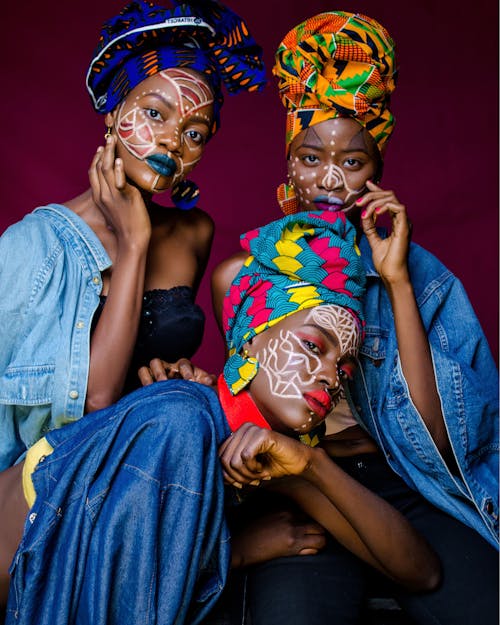
The raw material, the precious asset of African traditions
If African African fashion is also thanks to the diversity of its raw materials. raw materials. Locally grown cotton, raffia, artfully worked leather and hand-woven plant fibers make up an exceptional palette. These natural resources play an active role inevolution of fashionThe natural resources play an active role in the evolution of fashion, renewing know-how while enhancing the value of our heritage.
Some African fabricssuch as bogolan or wax, are created using an artisanal technique combining color, geometric patterns and stories handed down from generation to generation.
An attachment to raw materials has never prevented innovation. Visit African designers compete in their ingenuity to modernize African African traditionsmixing textures and inventing new dyeing processes. This dynamic feeds the global influence of the continentconfirming its status as a stylistic avant-garde.
In various countries, collectives were already revisiting the use of pearls, shells and sophisticated embroidery several decades ago. L’authenticity of contemporary productions continues to draw on a variety of natural resources, creating a real bridge between past and present.
The evolution of African fashion: when heritage and modernity merge
The post-colonial period marks a major turning point in thehistory of African fashion. Western and Asian influences are now combined with a growing desire to enhance one’s own identity. roots. A wind of freedom blew across the African catwalks, driven by the emergence of a new generation of designers. designers eager for international recognition.
From the 1980s onwards, there was an explosion of creativity by men and women asserting themselves as spokespersons for a proud African pride. Visit bold silhouettesnew cuts and playful layering testify to a growing ambition to be part of global trends. global trendswithout sacrificing the power of local identity.
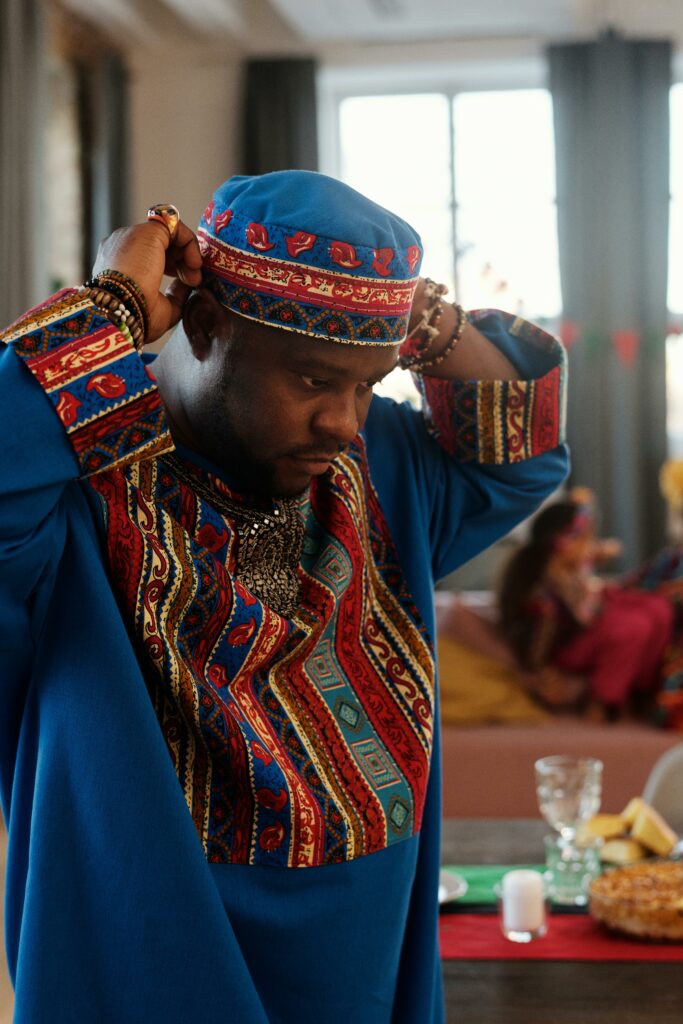
How is African fashion changing around the world?
The continent’s aesthetic is gradually making its mark in Paris, London and New York. Artists, models and designers who grew up far from their homelands are now reinterpreting the continent’s traditional family codes to propel African fashion to the forefront of globalglobal influence.
Inevitably, the rise of social networks is transforming distribution methods. Supported by the dynamism of a connected urban population, an unprecedented ecosystem of bloggers, content creators and influencers popularizes the richness of African fabrics on Instagram and TikTok. The increased visibility helps raise young talent on the international stage.
The African street styleis gaining in notoriety. It asserts the continent’s ability to adapt to the demands of the 21st century. modern luxury while proudly asserting its multiple multiple identities. As such, Africa Fashion Tour plays an essential role in documenting and highlighting the vitality of these emerging expressions.
A promising future for African fashion
The sector never ceases to surprise. From a return to authenticitysearch for sustainability and openness to new markets, African African fashion seduces as much as it inspires. This renaissance not only attracts attention, but also instills a new-found pride in young people attached to their families. identities and roots.
Africa Fashion Tour is a media committed to this transformation, bringing together those passionate about African life style, guiding the curious and professionals alike towards new stylistic discoveries. On a continent where personal expression has never ceased to reinvent itself, the next chapter promises to be brimming with ideas, encounters and creative daring.


