A spectacular transformation is currently taking place on the African continent. From Lagos to Tunis, via Accra and Cairo, a new generation of artists, creators and cultural entrepreneurs is rewriting the rules of the global game. This creative revolution, driven by a bold and technologically connected youth, is positioning Africa as a key player in the international cultural industries.
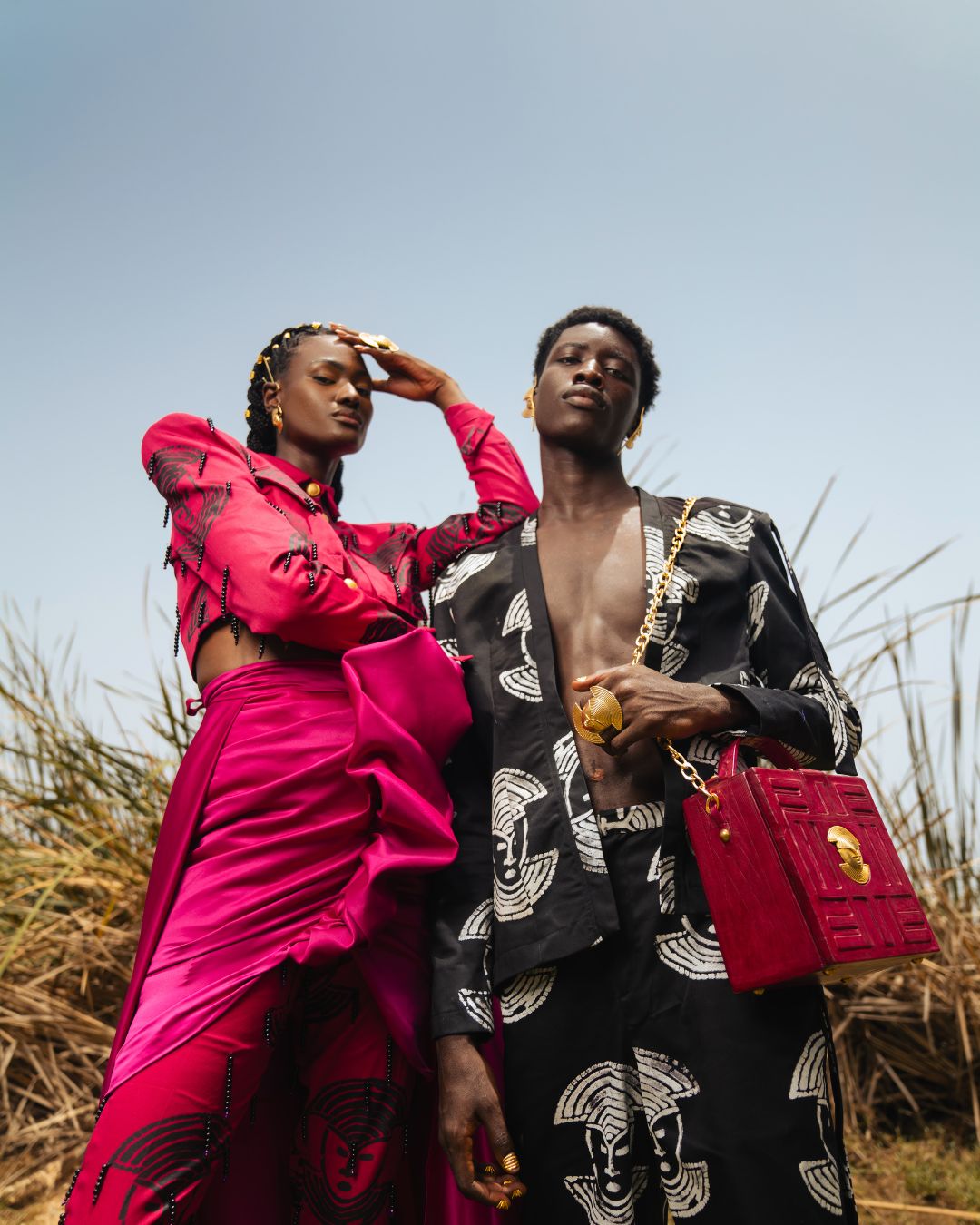
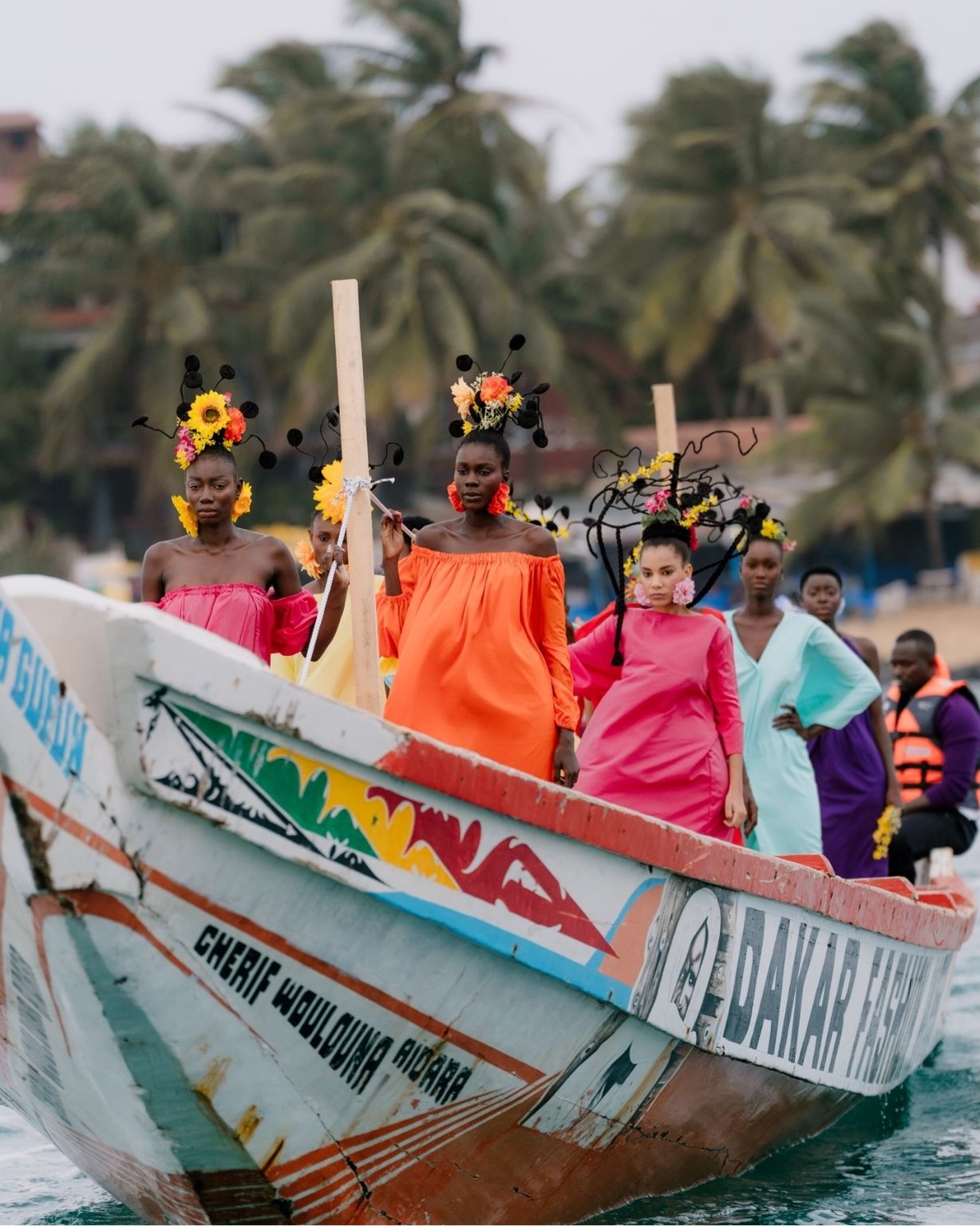
African fashion, long confined to niche markets, is now making its mark on international catwalks. The continent’s designers draw on a rich textile heritage, innovate with ancestral techniques and create pieces that tell authentic stories. This creative effervescence is no longer confined to the continent’s borders; it radiates outwards and influences global trends, proving that Africa is not just a source of inspiration, but a creative leader in its own right.
Strategic investment in creative talent
International financial institutions now recognize the colossal economic potential of Africa’s creative industries. Large-scale programs are emerging to transform this talent pool into an engine of economic growth. These initiatives don’t just provide funding; they offer a complete ecosystem including training, mentoring and access to international markets.
In Nigeria, the epicenter of this cultural revolution, massive investments are being made to structure and professionalize the creative economy. The aim is ambitious: to create millions of direct and indirect jobs for young people, while injecting billions into the national economy. This holistic approach recognizes that talent alone is not enough; infrastructure, entrepreneurial skills and distribution networks must also be developed.
The training offered covers the entire digital spectrum, from basic skills to the most advanced technologies. Artificial intelligence, animation, robotics and video game development are all part of the program, preparing African youth for the jobs of tomorrow. Hundreds of thousands of young people benefit from these programs through universities, polytechnics and technology hubs spread across the country.
From craft to global industry
The African fashion industry is undergoing a remarkable transformation, moving from traditional craftsmanship to a truly structured and competitive industry. Initiatives such as Fashionomics Africa embody this evolution, focusing on the entire value chain. It’s no longer a question of simply creating beautiful clothes, but of building a “made-in-Africa” brand recognized worldwide for its quality, innovation and authenticity.
Over seven thousand fashion, textile and accessories professionals have already benefited from specialized training and modern equipment. Significantly, over 65% of these beneficiaries are women, underlining the crucial role of women entrepreneurs in this creative revolution. These programs not only impart technical skills, but also cover business management, digital marketing and access to international markets.
Entrepreneurs from forty African countries now participate in online incubation and acceleration programs, creating a pan-African community of fashion designers. The best female entrepreneurs receive substantial seed funding to develop their projects, turning creative ideas into viable, scalable businesses.
Sustainable innovation
Emma Forson, the Ghanaian designer behind Elnak Recycle, is a perfect example of how modern African fashion combines creativity and environmental responsibility. Her company collects unused textile materials from businesses and households, as well as used clothing, to give them a second life. This circular approach prevents these materials from ending up in landfills and manholes, a major environmental problem in many African cities.
Thanks to her training, Emma has been able to acquire land, expand her storage facilities and train more women to strengthen her team. Her business also offers an online collection system and a marketplace for recycling, demonstrating how technology can amplify the impact of sustainable initiatives. Her story is a testament to the transformative potential of well-designed support programs.
North Africa, architecture and design for fashion
In Tunisia, Samia Ben Abdallah has created AWA (Architect with Artisan), a line of leather bags and jewelry inspired by Tunisian architecture. This fusion of architectural heritage and artisan know-how creates unique pieces that tell the country’s story while meeting contemporary aesthetic standards. Named “Woman Entrepreneur of the Year 2021 in the Tunisian craft sector”, she is now one of the top 100 women in African fashion.
Samia’s success demonstrates how mentoring programs can catalyze the development of creative businesses. Her story also illustrates the richness and diversity of African creativity, capable of combining tradition and modernity, craftsmanship and contemporary design.
In Egypt, Green Fashion, founded by Hadeer Shalaby, represents another facet of this sustainable innovation. The company designs and produces clothing and accessories using recycled waste from factories and sewing workshops. Today, Green Fashion has an online sales site and exports its creations, proving that sustainable African fashion can conquer international markets.
Beyond fashion, a global cultural revolution
Africa’s creative revolution goes far beyond fashion. African music, particularly Nigerian-born Afrobeat, has conquered international stages. Twelve African artists have won prestigious Grammy Awards, confirming worldwide recognition of the continent’s musical talent. These victories are not mere anecdotes; they mark a historic turning point in the global music industry.
Nollywood, the Nigerian film industry, is the third largest in the world, producing over 2,500 films a year and employing over 300,000 people. This pioneering industry tells African stories by Africans, offering an authentic narrative that resonates far beyond the continent’s borders. Nollywood doesn’t just entertain; it shapes perceptions, values local cultures and creates massive economic opportunities.
The performing arts are also booming. In Egypt, initiatives such as Hakawy we Ghanawey bring together different tribes in Aswan and involve women, the pillars of their families, in the preservation of art and cultural heritage. This inclusive approach ensures that the creative revolution benefits all segments of society.
Teatro Metro, an official street theater company created thanks to support programs, illustrates how structured accompaniment can transform artistic initiatives into sustainable businesses. According to its founder, Maher El Haggar, these programs have enabled his troupe to learn how to price its activities, professionalize and become a truly sustainable business.
Women at the heart of the transformation
A particularly remarkable aspect of this creative revolution is the central role played by women. Specific programs allocate substantial budgets to support start-ups in the creative sector run by women. This approach recognizes that women’s economic empowerment is not only a question of equity, but also a powerful lever for economic and social development.
African women entrepreneurs aren’t just taking part in this revolution; they’re often leading it. Whether it’s sustainable fashion, textile recycling, architecture-inspired jewelry design or cultural preservation, women are at the forefront of African creative innovation.
A bright future for Africa’s creative industries
Africa’s creative industries hold immense potential, particularly in terms of massive job creation. The convergence of several favorable factors (a large, connected youth population, a rich cultural heritage, growing investment and structured training programs) creates the ideal conditions for rapid, sustainable expansion.
The African cultural revolution is no longer a distant promise; it’s underway, marking a decisive milestone for the continent. From fashion to film, music and the performing arts, Africa is brimming with innovation and inspiration that is capturing the world’s attention. African designers are no longer simply seeking to imitate Western models; they are creating their own codes, their own aesthetics, their own narratives.
This transformation goes beyond the simple economic dimension. It’s about identity, pride and representation. When an African artist wins a Grammy Award, when a Nollywood film reaches a worldwide audience, when an African fashion designer presents his collection in Paris or Milan, the whole of Africa gains in visibility and recognition.
An amplified movement
The planned expansion of support programs for the creative industries to other African countries augurs well for an amplification of this trend. Music content distribution, film production, online fashion platforms – all these sectors will grow exponentially in the coming years, driven by targeted investment and a generation of determined entrepreneurs.
For Africa Fashion Tour and all those involved in African fashion, this is a historic moment. The continent is no longer content to be a source of inspiration for others. It is imposing its creations, its designers and its vision on the world. The African creative revolution is here, vibrant, innovative and resolutely forward-looking.
Read also