

Le Journal de la Mode Africaine
Headlines
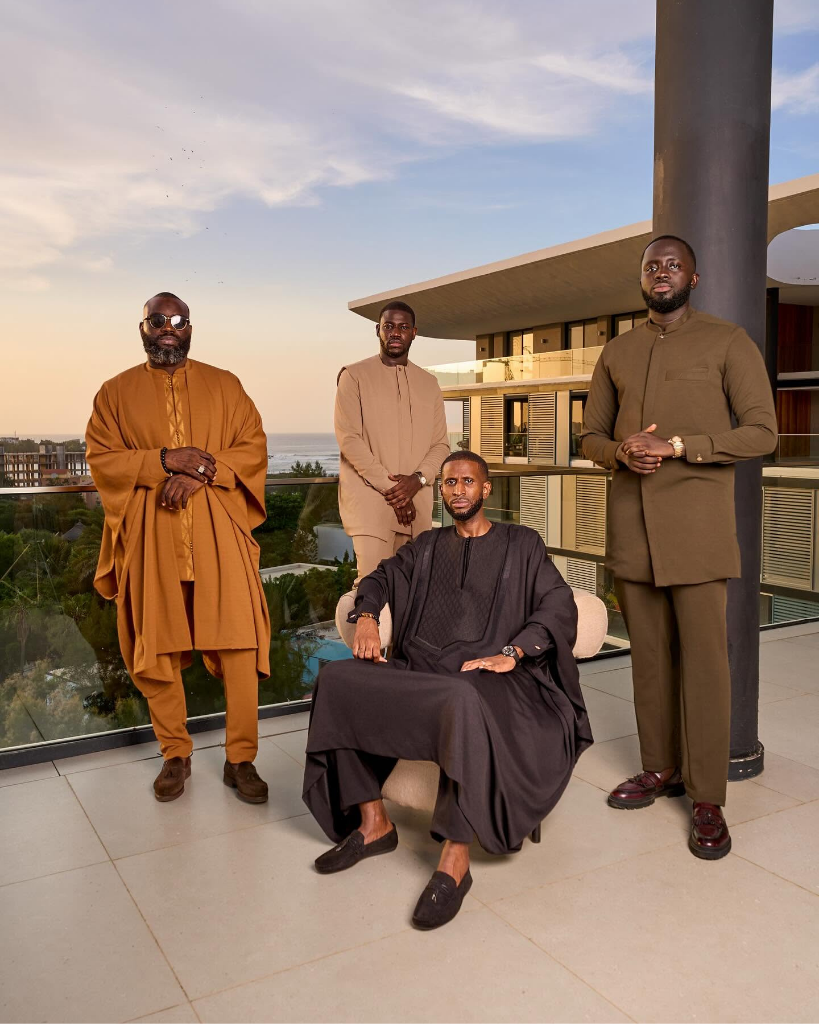
Fatima Zahra Ba is transforming the legacy of woven fabric into a contemporary empire
As part of the rebroadcast of the five standout episodes of *Africa Fashion Tour*, Ramata Diallo sits down for a conversation with Fatima Zahra Ba. As the founder of the fashion house So’Fatoo and co-founder of the concept store Arca, she offers a true masterclass on workshop management, the power of cultural storytelling, and the art of building a profitable business without losing sight of one’s roots.
Fatima Zahra Ba is transforming the legacy of woven fabric into a contemporary empire
As part of the rebroadcast of the five standout episodes of *Africa Fashion Tour*, Ramata Diallo sits down for a conversation with Fatima Zahra Ba. As the founder of the fashion house So’Fatoo and co-founder of the concept store Arca, she offers a true masterclass on workshop management, the power of cultural storytelling, and the art of building a profitable business without losing sight of one’s roots.
Fatima Zahra Ba is transforming the legacy of woven fabric into a contemporary empire
As part of the rebroadcast of the five standout episodes of *Africa Fashion Tour*, Ramata Diallo sits down for a conversation with Fatima Zahra Ba. As the founder of the fashion house So’Fatoo and co-founder of the concept store Arca, she offers a true masterclass on workshop management, the power of cultural storytelling, and the art of building a profitable business without losing sight of one’s roots.
Fatima Zahra Ba is transforming the legacy of woven fabric into a contemporary empire
As part of the rebroadcast of the five standout episodes of *Africa Fashion Tour*, Ramata Diallo sits down for a conversation with Fatima Zahra Ba. As the founder of the fashion house So’Fatoo and co-founder of the concept store Arca, she offers a true masterclass on workshop management, the power of cultural storytelling, and the art of building a profitable business without losing sight of one’s roots.
Mode
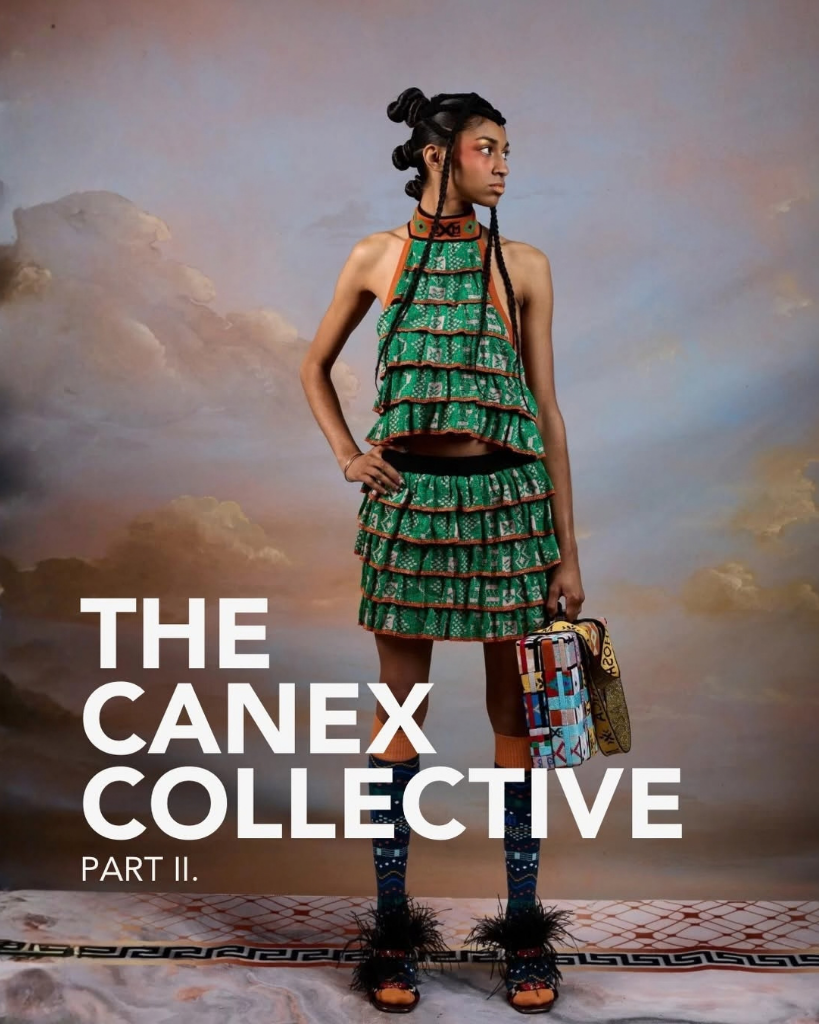
The Tranoï trade show and CANEX are putting African design front and center at Paris Fashion Week
From October 1 to 4, 2026, the Tranoï trade show will take place at the Palais Brongniart during Paris Fashion Week. Thanks to the partnership between Tranoï and Afreximbank’s CANEX program, twenty designers from the continent will showcase their work to global luxury buyers.
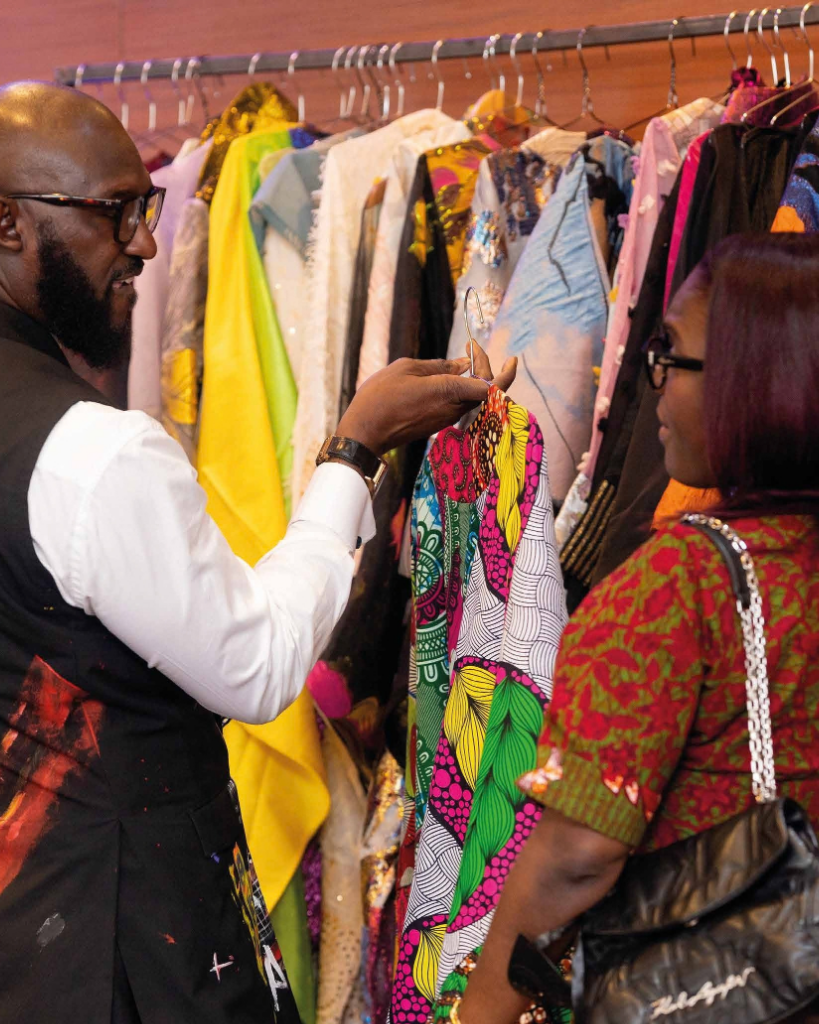
Nahyel Concept Store showcases contemporary design in Paris with “Afrique en Scène”
From October 15 to 20, 2026, Nahyel Concept Store will take over the French capital with its flagship event, “Afrique en Scène,” showcasing Senegal alongside other talents from the continent. Featuring a multi-brand pop-up, a strategic conference on soft power with Youssou N’Dour, and a professional immersion program, the initiative builds a crucial bridge between Dakar and global markets.
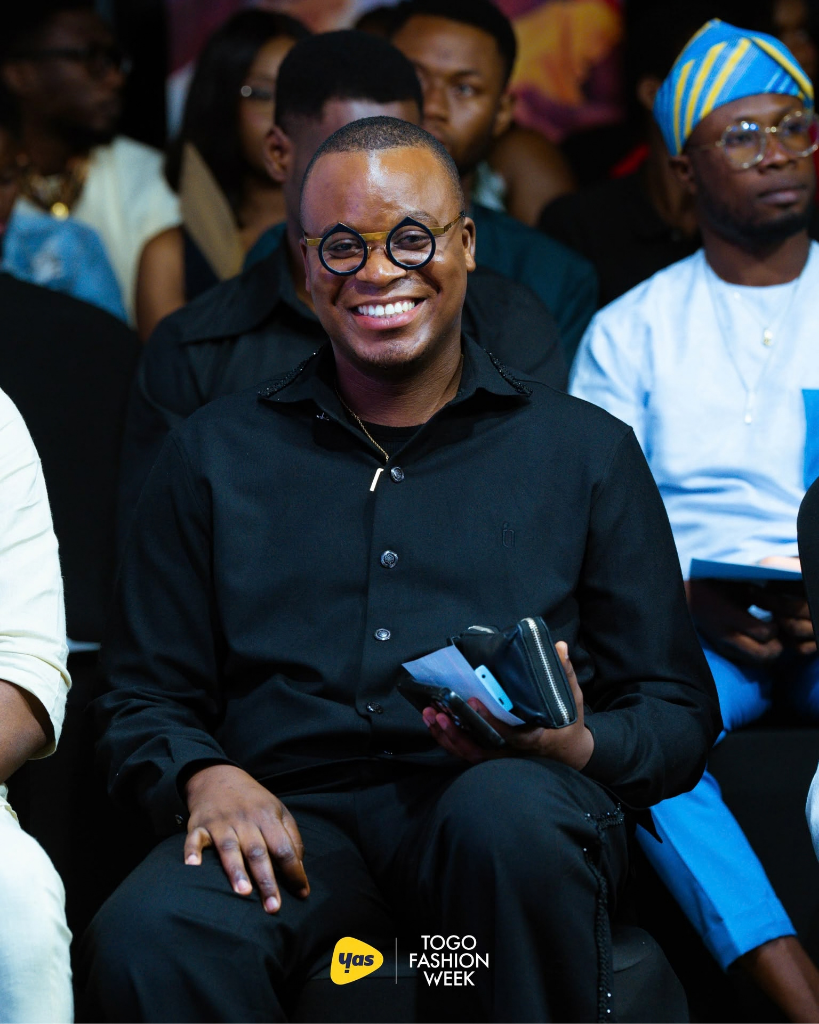
How FIMO228 Uses High-End Design as a Tool for Engagement
During Paris Fashion Week, the FIMO228 International Fashion Festival will take over the capital from September 25 to 27, 2026, for its fourth edition in France. Led by Togolese designer Jacques Logoh, this event combines excellence in craftsmanship with an urgent humanitarian cause under the theme “Fashion for a World Without HIV.”
Newsletter
Every week, get a sneak preview of the latest African fashion news.
Discover brands and artists through our podcast episodes and articles.
Podcast
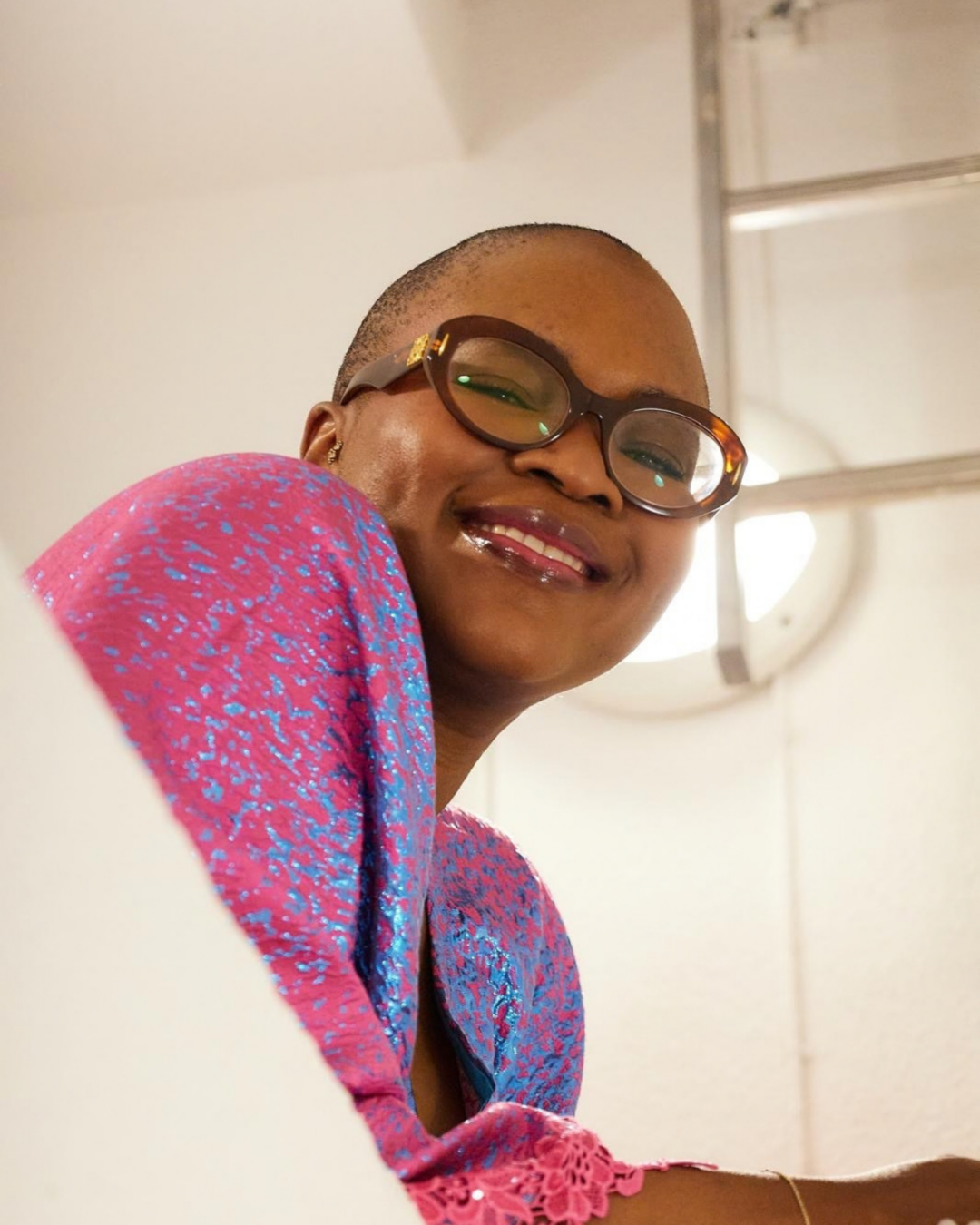
How Mabelle is Promoting African Fashion Brands to the Diaspora
Between her responsibilities as a director at a pan-African NGO and her engaged online community, Maëva—also known as Mabelle—is redefining African fashion. Speaking with Africa Fashion Tour, she shares her vision of fashion and the art of proudly wearing “Made in Africa” clothing.
Fatima Zahra Ba is transforming the legacy of woven fabric into a contemporary empire
As part of the rebroadcast of the five standout episodes of *Africa Fashion Tour*, Ramata Diallo sits down for a conversation with Fatima Zahra Ba. As the founder of the fashion house So’Fatoo and co-founder of the concept store Arca, she offers a true masterclass on workshop management, the power of cultural storytelling, and the art of building a profitable business without losing sight of one’s roots.
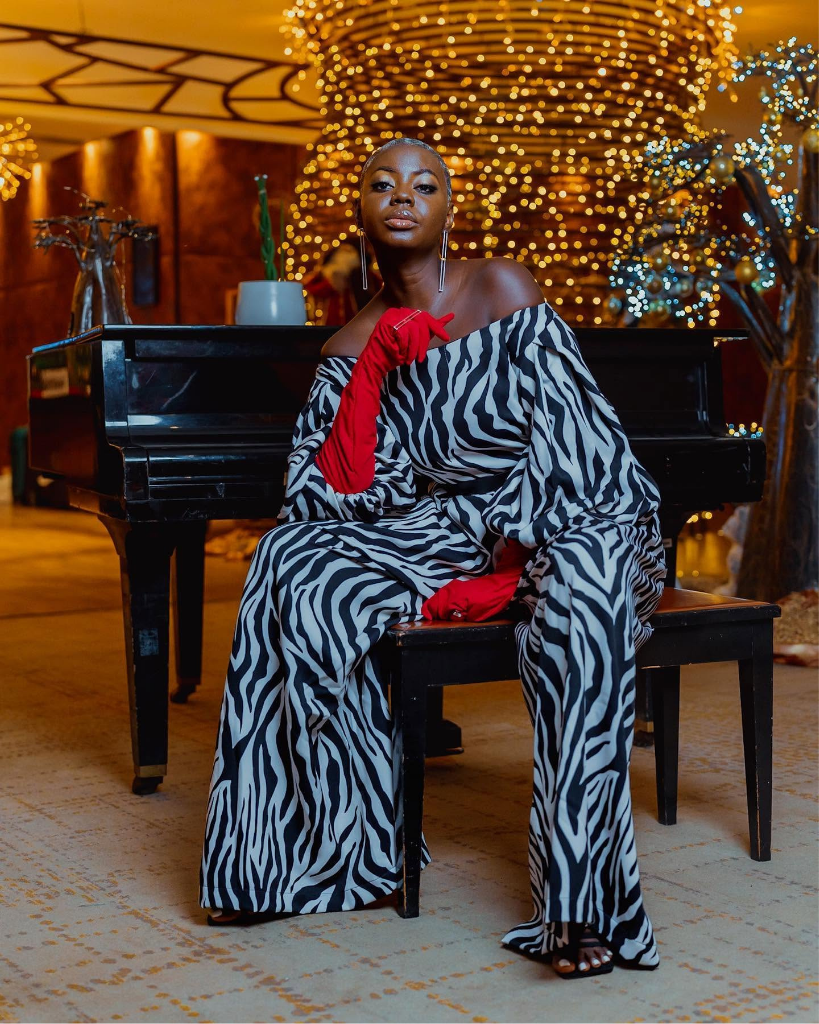
Queen Serere breaks down the keys to branding and scaling up in African fashion
A communications strategist and content creator who is actively involved in the marketing and communications strategy for Sisters of Afrika, she delivers a true masterclass on e-commerce conversion, protecting a brand from plagiarism, and the art of building a loyal community.

Yasss, the brand of handmade jewelry made in Tunisia
After working as a music teacher and anthropology researcher for 15 years, Sofia Essaeid made an unexpected career change to launch Yassshandmade. Her jewelry and accessories—handwoven from cord in Tunisia—quickly won over the most prestigious luxury boutiques in Paris. A look back at one of the most popular episodes of the Africa Fashion Tour podcast.
Beauty
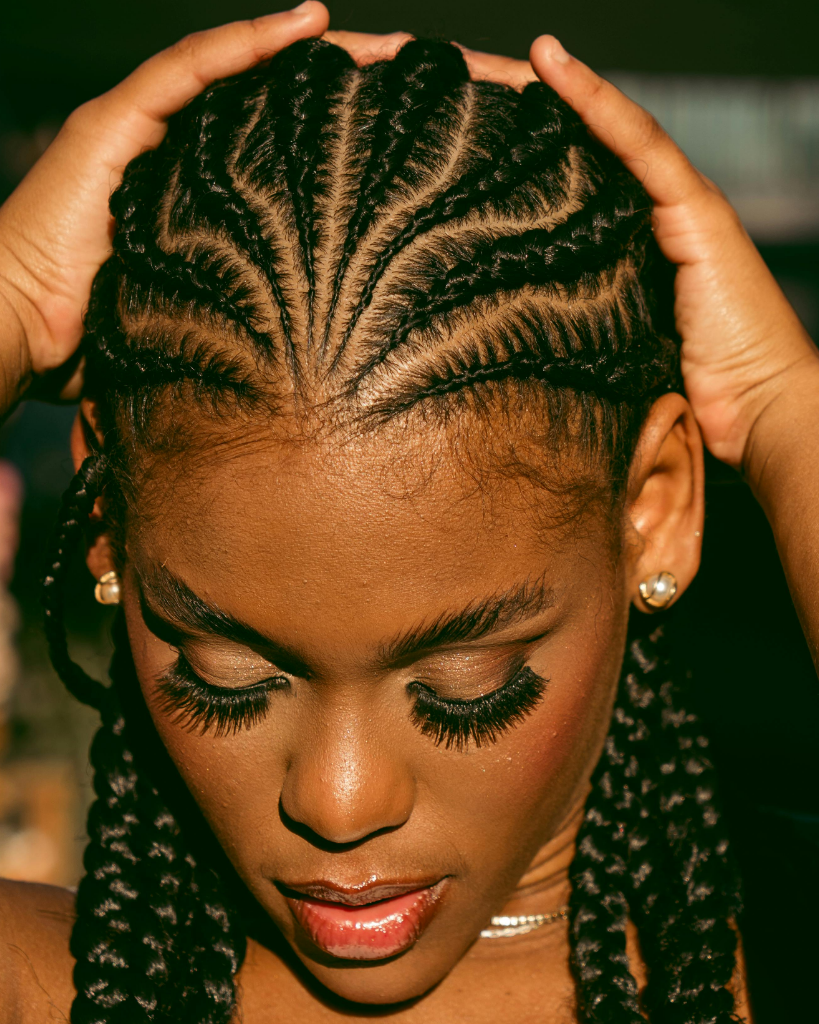
How Is the Art of Braiding Transforming Hair Salons?
As the new school year approaches, braids are emerging as the ultimate aesthetic statement for textured hair. From artistic mastery to technical challenges in the salon, take a behind-the-scenes look at this craft and participate in our major professional survey.
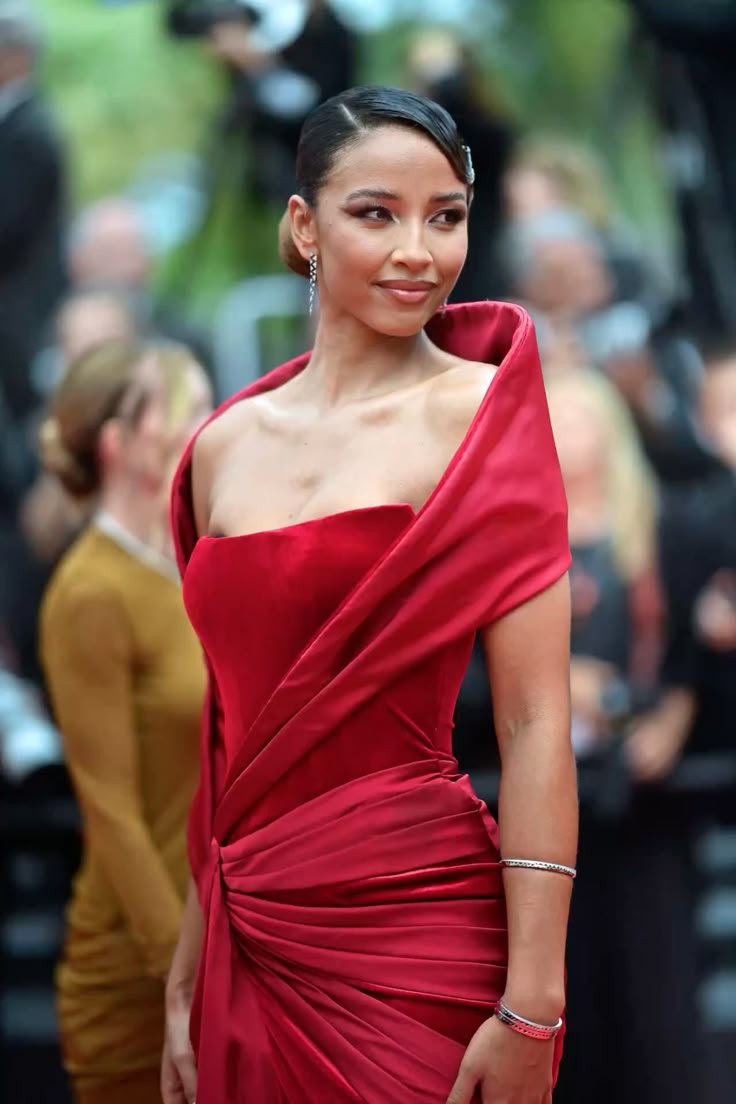
Flora Coquerel: The Franco-Beninese beauty queen who has celebrated cultural diversity
Crowned Miss France 2014 at just nineteen years old, Flora Coquerel has made her Franco-Beninese heritage a cause she champions. A beauty queen turned fashion icon and founder of the Kelina association, she embodies a unique bridge between France and Africa.
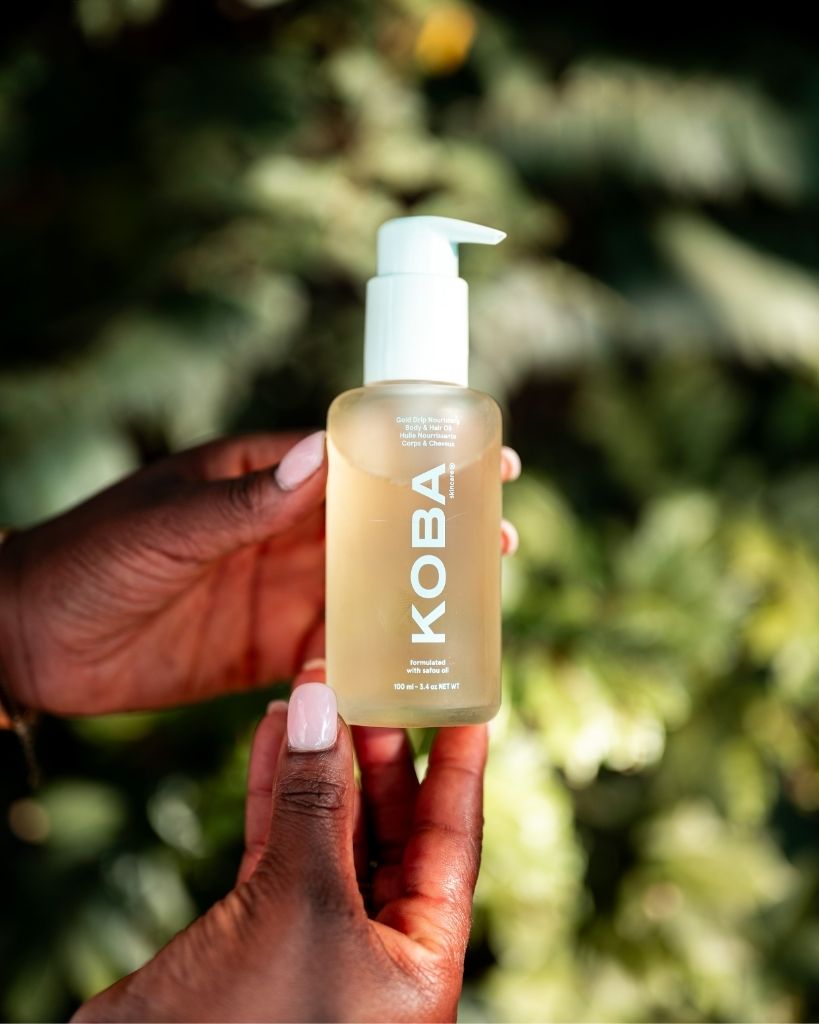
Kwandinobva, the video content creation agency Made in Africa
From the Inda forest to the rituals of Kouilou, KWANDINOBVA sublimates the KOBA Skincare story. Discover how this native and premium storytelling transforms the Safou harvest in Congo into a true visual epic. Plunge into the heart of authentic Africa, where images become a tribute to know-how.
Business
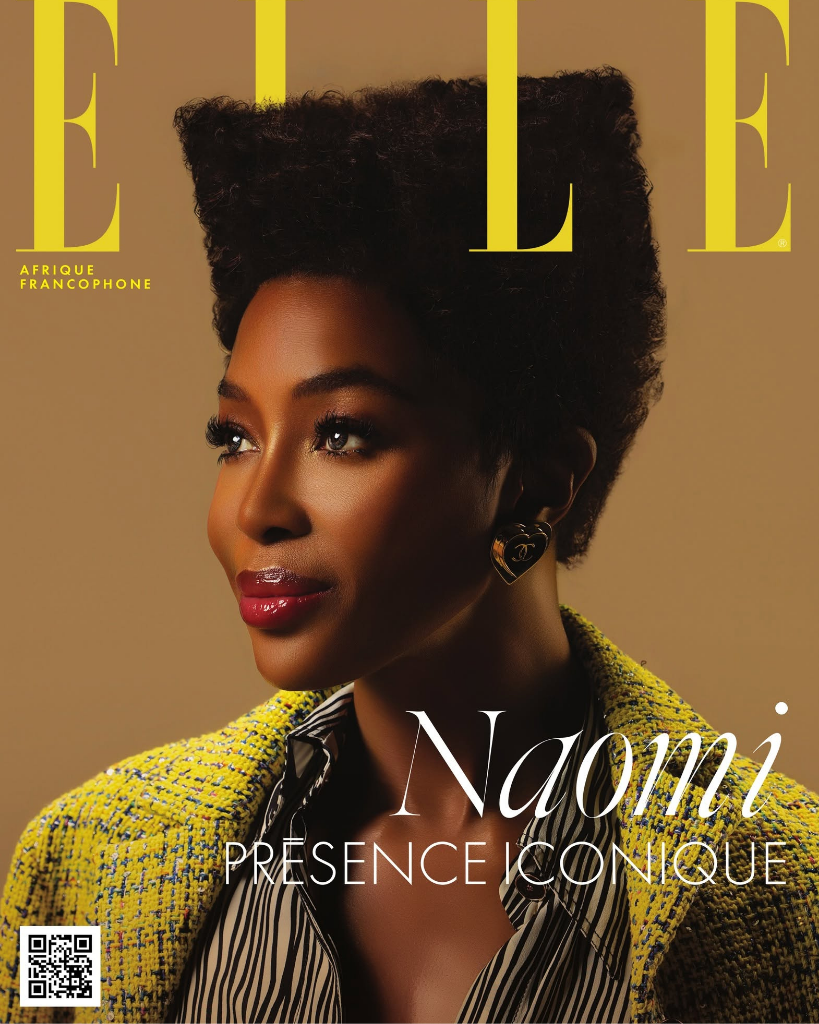
Why Does African Fashion Need to Reinvent Its Own Media?
Faced with global conglomerates, Africa’s creative industries and media must rethink their approach. An in-depth look at an ecosystem in need of reinvention, balancing brand discipline with the pooling of independent voices.
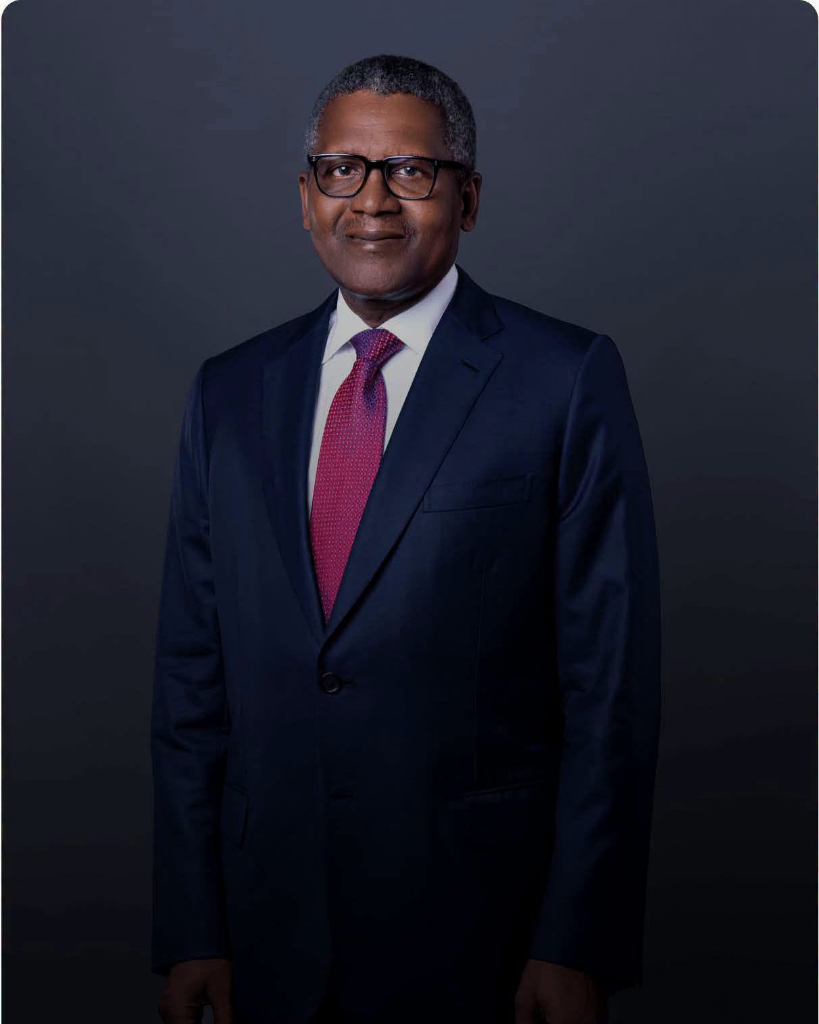
Can Aliko Dangote and CNN change investors’ perception of Africa?
In August 2026, Aliko Dangote and CNN International renewed their strategic partnership. Through the programs “Africa Inc.” and “Africa First,” the Nigerian industrial giant is funding the reclaiming of African soft power and establishing a new economic narrative for the continent.

What Large-Scale Logistics Teaches African Fashion
From industrial sovereignty to supply chain resilience and talent management, here’s a breakdown of the key lessons that African fashion designers, brands, and investors must embrace.
Art
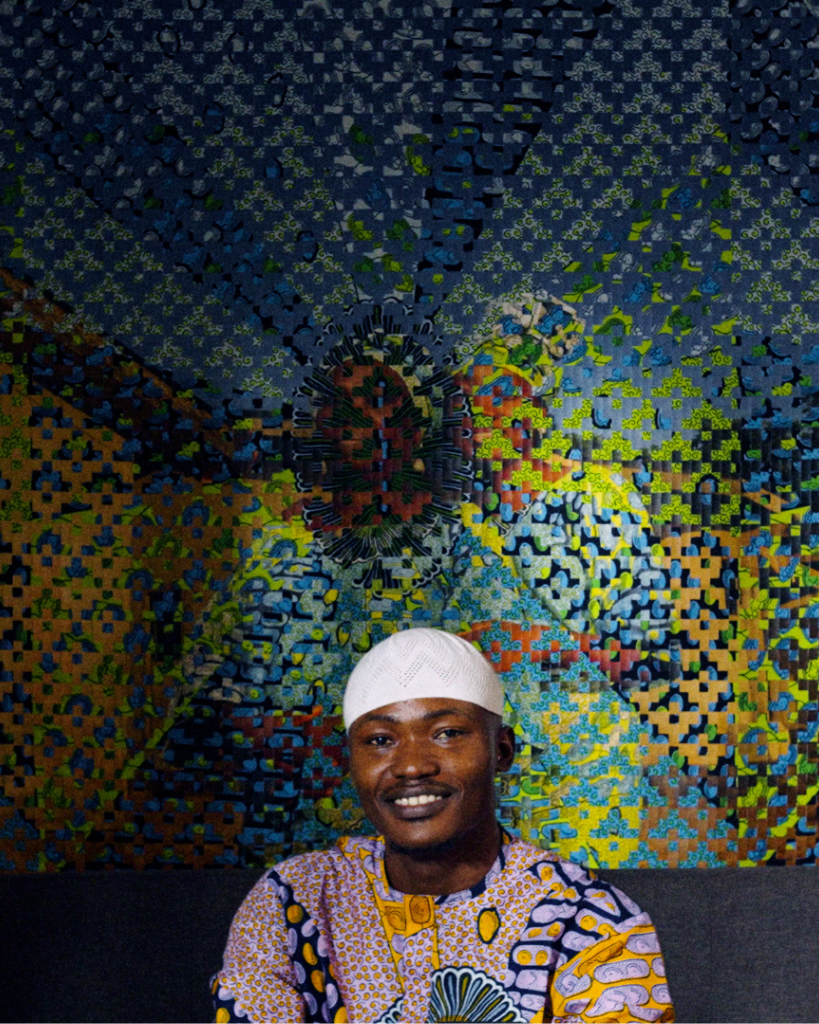
Vlisco celebrates 180 years of history through the eyes of six contemporary African artists
To mark its 180th anniversary, the textile house Vlisco is unveiling a major artistic collaboration with six leading figures in contemporary African design. From Cotonou to Kinshasa, printed fabric transcends mere clothing to become the foundation for sculptural, visual, and commemorative works.
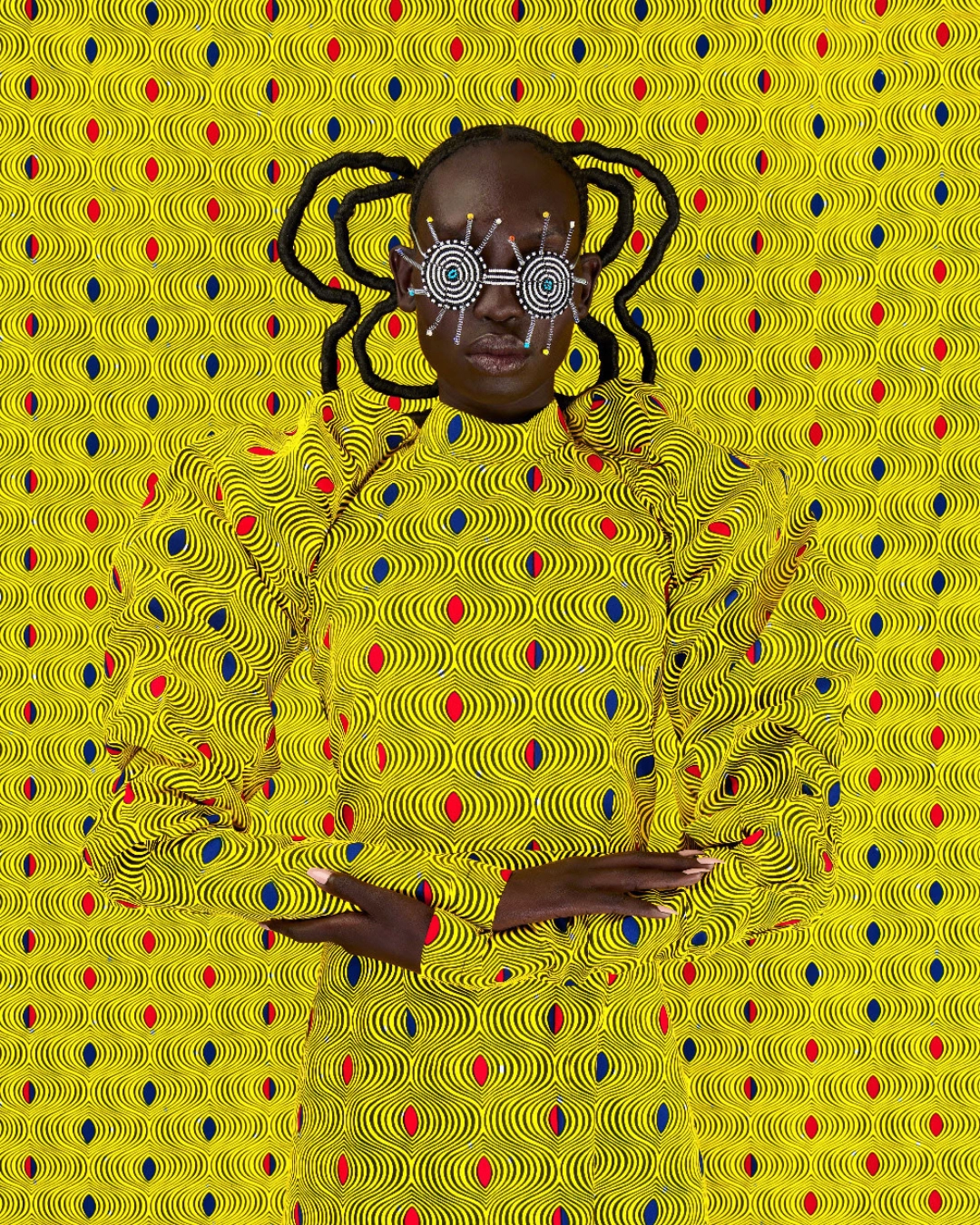
Prospects for the African diaspora art market in 2026
In 2026, contemporary African art is no longer content to break auction records; it is redrawing the boundaries of luxury and global lifestyle. Driven by an influential diaspora and unprecedented digitalization, this market is now a key pillar of international creation.

Thomas Ngijol, patron of the next Nollywood Week 2026 festival
L’Arlequin cinema is set to vibrate to the rhythm of the 13th edition of Nollywood Week, to be held from May 6 to 10, 2026. Under the patronage of actor and director Thomas Ngijol, this not-to-be-missed event promises an unprecedented immersion in the creative effervescence of Nigeria and its neighbors.
Contact
Do you have a question, a suggestion, or something you’d like to share? We’d love to hear from you.
Africa Fashion Tour is the leading media outlet and publication dedicated to African fashion and the cultural and creative industries. We provide in-depth analysis of this sector’s historic transition—from creative effervescence to industrial maturity and self-reliance. Subscribe to our newsletter to receive our exclusive analyses and interviews with designers, Fashion Week organizers, and influencers. This will give you all the insights you need to understand how Africa is redefining global luxury standards today.
Traditional fabrics: wax, ankara, loincloths and more
Traditional African fabrics are taking center stage in contemporary design. Indeed, they come in a wide variety and reflect the cultural richness of the African continent:
- Wax fabric: Often colorful and featuring a variety of patterns, this fabric is popular with fashion designers for creating trendy and creative outfits. It is also used to make accessories such as hats, bags, and shoes.
- Ankara: Originally from Nigeria, this batik-printed fabric is ideal for making elegant dresses, shirts, and stylish pants.
- Loincloths: a symbol of West and Central Africa, they are worn by both women and men, either around the waist or as a shawl. Their patterns, often geometric, are rich in meaning.
- The dashiki: This traditional African garment is made from a lightweight printed fabric and is usually worn with short sleeves. It can be styled as a dress, blouse, or shirt.
Emblematic garments: the boubou, kente and bogolan
Dive into the world of modern, trendy African fashion by exploring its emblematic garments: the boubou, the Kente and the bogolan. These iconic pieces bear witness to the ancestral know-how of the continent’s craftsmen and embody the elegance and cultural richness of Africa:
- The boubou, once worn by men in West Africa, is now a staple of Afro-chic style. Today, leading designers are reimagining it with modern, flowing silhouettes.
- Kente, a symbol of Ghanaian royalty, is making its way into contemporary fashion with its vibrant colors and traditional patterns. As a result, it offers outfits that blend tradition and modernity.
- Bogolan, also known as mudcloth, originates from Mali. It is characterized by its neutral tones accented with tribal patterns. When transformed into patchwork, it gives rise to unique garments and accessories that symbolize African authenticity and creativity.
Ethnic accessories: the finishing touch
Ethnic accessories are the perfect finishing touch to complete an African-inspired outfit. Jewelry, bags, hats, shoes… there are indeed countless ways to personalize your look:
- Jewelry—including necklaces, bracelets, earrings, and other African accessories—is available in a variety of materials (beads, bone, metal, clay, etc.). This offers a wide selection for coordinating your outfit with your accessories.
- Bags: Whether they’re handbags, clutches, or shoulder bags, African designs are characterized by their vibrant colors and tribal patterns.
- Hats: Whether embellished with beads or made from batik-printed fabric, they add an authentic touch to any look.
- Shoes: From loafers to summer sandals, including pumps and ankle boots, designers today offer a wide variety of styles featuring wax print, bogolan, or Kente fabrics.
Our media platform and blog, Africa Fashion Tour, is much more than just fashion advice. Follow us to stay up to date on the latest trends, must-know influencers, and key figures to follow in the world of African fashion. Plus, each article offers inspiring ideas to help you express your style with elegance. Finally, join our community of fashion enthusiasts and explore the hottest trends in the African fashion scene with us.
African Couture: between tradition and modernity
Today more than ever, African fashion showcases a harmonious blend of tradition and modernity. Indeed, contemporary designs draw heavily on ancestral cultural heritage while taking inspiration from today’s major trends:
- Outfits: They come in all shapes and styles, from coordinated sets to dresses, tunics, and pants. They can be found in both casual-chic styles and elegant looks for special occasions.
- Weddings: African brides today are choosing outfits made from traditional fabrics and materials, while keeping up with international bridal trends.
- Fashion Shows: Fashion weeks around the world regularly feature talented designers and brands from Africa, who showcase their collections on the global stage.
Designers, influencers and celebrities put the spotlight on African fashion
Over the years, African designers, models, and influencers have earned a well-deserved reputation on the international fashion scene. Their prominence continues to grow. In this way, they bring their own unique vision to fashion and help promote the inspiring image of African creativity.
Among them, celebrities are also choosing to proudly showcase the African styles of the continent’s designers, whether at events or simply in their everyday lives. In doing so, they promote Afrocentrism in fashion and lifestyle.
Sign up for the exclusive Africa Fashion Tour newsletter to get a sneak peek at captivating articles and interviews with renowned designers. You’ll also find unique podcasts that delve into the world of African fashion.
Get exclusive behind-the-scenes access tothe modernAfrican fashion industry. Plus, explore our customized partnership opportunities to promote your products to an engaged community. Partner your brand with our media platform and enjoy unparalleled visibility.
Finally, contact us today to discuss customized partnership opportunities and help grow the African fashion industry.
Explore our sections: the comprehensive guide to African fashion
Discover the world of African fashion through our various sections:
- African Men’s Fashion
- African Women’s Fashion
- African fashion designers
- The revival of the African fashion show
- Sewing in African Fashion
- African Haute Couture
- African-style dress
- The African Skirt
- History of African fashion
- African Hairstyles
You can also find all our latest news organized by major themes: African fashion, African beauty, the African fashion industry, contemporary African art, and our Africa Fashion Tour podcast. Finally, for a comprehensive history of the sector, check out our guide to African fashion.
The rise of African fashion
Over the years, African fashion has carved out an enviable place for itself in the global industry. From African textiles to contemporary outfits, African fashion designers are constantly innovating to offer unique and authentic products. The use of wax—a fabric printed with colorful patterns—perfectly embodies this blend of tradition and modernity.
The fashion weeks held on the continent, such as those in Lagos and Accra, play a crucial role in this growing visibility. Indeed, many African designers showcase their collections there, highlighting their talent and creativity. These events also serve as prime platforms for meeting models and discovering emerging trends.
The future of African fashion
A New Generation of Designers
In the coming years, African fashion is expected to continue to evolve and thrive. Indeed, younger generations of designers are bringing a fresh energy to the field, combining traditional craftsmanship with contemporary innovation. Their ability to reinvent classics is transforming perceptions and opening up new avenues for expression.
Sustainability: An Asset for African Designers
Furthermore, the emphasis on sustainability and ethics in fashion could work in favor of African designers. Many of them already prioritize environmentally friendly practices. They use local materials and adopt responsible production methods. As a result, African fashion could become a role model in the global movement toward a more sustainable industry.
2025: A Decisive Turning Point for the Industry
Against this backdrop of rapid growth, the year 2025 marks a decisive turning point: African fashion is establishing itself as a powerful vehicle for identity and innovation. Events such as Festac Africa in Accra and the 2M Design Show in Dakar exemplify this creative vitality. They bring together designers, artists, and influencers around a shared vision: to celebrate the continent’s cultural richness while remaining part of a global movement. These events thus reflect the growing commitment of African cities to becoming true centers of excellence in the fashion industry.
As part of this movement, Africa Fashion Tour has established itself as a key player. Its strength lies in its ability to connect local talent with an international audience. We showcase designers trained at prestigious institutions, as well as self-taught talents. As a result, the platform reflects the diversity and richness of the African fashion scene. It also plays a key role in promoting “Made in Africa” by showcasing artisanal craftsmanship and supporting sustainable fashion initiatives.
Growing international recognition
This recognition now extends far beyond the continent. Indeed, major international media outlets are covering it, such as *Elle* magazine, which highlights the growing role of African fashion on the global stage and presents its designers as “the cream of African fashion.” This outside perspective not only confirms the global impact and legitimacy of African talent; it also confirms the relevance of Africa Fashion Tour’s position among the major players in contemporary fashion.
For fashion enthusiasts, industry professionals, and curious visitors looking to discover something new, the Africa Fashion Tour is much more than just a showcase. It is an inexhaustible source of inspiration and a unique vantage point for observing the trends that are shaping the future of global fashion.
Africa Fashion Tour: The Go-To Media Outlet, Blog, and Magazine for African Fashion
At Africa Fashion Tour, we don’t just observe the evolution of African fashion—we tell its story, celebrate it, and bring it to the forefront of the international stage. In fact, we’re more than just a media outlet; we’re an immersive platform. It’s a space where designers, entrepreneurs, and enthusiasts can get a behind-the-scenes look at this vibrant industry.
Through our features, interviews, and analyses, we explore emerging trends and highlight talented designers. We also offer an authentic perspective on African luxury. Our goal is clear: to provide a platform for those shaping African fashion today and tomorrow.
The Importance of Platforms Like Africa Fashion Tour
We firmly believe that African fashion deserves greater visibility, international recognition, and a dedicated community. That is why Africa Fashion Tour has established itself as the leading media outlet, blog, and publication, supporting this rise by:
–Exclusive content: interviews with designers, profiles of entrepreneurs, and behind-the-scenes looks at major events.
–In-depth analysis of trends to understand how Africa is influencing and reinventing global fashion.
–A commitment to preserving and celebrating Africa’s textile heritage.
By connecting African talent with fashion enthusiasts around the world, we are building together the future of a thriving, authentic, and vibrant industry.


