Global integration of African artists in international sales
In recent years, the market for contemporary African art is enjoying a meteoric rise. Between record auctions and prestigious exhibitions African diaspora is now making its mark in the highest spheres of artistic creation worldwide. From New York to Paris, Lagos to London, African artistsdesigners and collectors are helping to redefine the international cultural map. What are the driving forces behind this dynamic? How are creators from the diaspora benefiting from this trend? art market growth ? Africa Fashion Tour, an influential medium dedicated to African lifestyle and fashion, today offers a detailed look at these mutations that will transform the artistic landscape by 2026.
Trends in the contemporary African art market
The contemporary African art market has never been so coveted. The houses of auction sales major art fairs, long focused on Western and Asian artists, are gradually opening their doors to profiles from the African continent and its diaspora. According to the latest studies relayed by several observers, including MoMAA, this mutation is based as much on creative vitality as on an ongoing historical revaluation.
The art market growth is supported by a new generation of cosmopolitan buyers, sensitive to the multiple stories told by African designers. Their works stand out for their ability to question society, roots and identity, while at the same time interacting with the global codes of luxury, design and trends. This cross-disciplinary approach appeals to an international public in search of new ideas. authenticity and novelty.
The impact of the African diaspora on the world stage
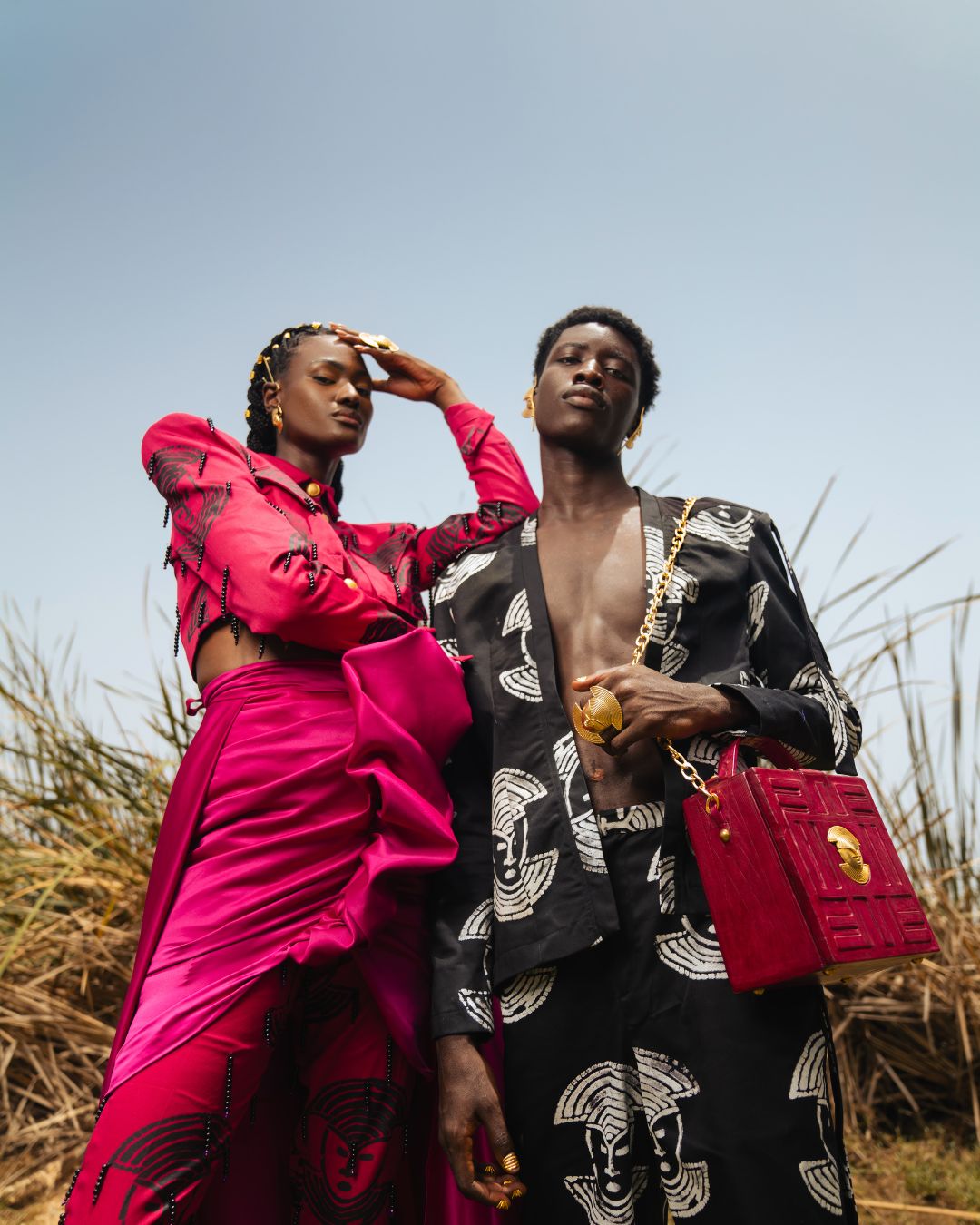
In Europe and the United States, the African diaspora is shaking up traditional institutions. Artists and stylists, as well as curators and gallery owners, are taking over both trendy fairs and established galleries. Their presence no longer goes unnoticed at biennials, fashion weeks or contemporary art fairs.
This is due in particular to the professionalization of galleries representing African designers. This evolution contributes to a better global integration and promotes artistic recognitionuntil now marginalized in certain circles. Africa Fashion Tour regularly highlights the dynamism of this creative youth, engaged in a game of hybrid influences blending local heritages and global aspirations.
New investment dynamics
Another key factor is the change in investor perception. Long perceived as an “emerging market”, African art is now attracting real interest for its potential added value and innovative character. New funds dedicated specifically to Africa or to the diaspora are being created, while digital platforms are providing international visibility of works.
Buyers now include discerning collectors, show business figures and fashion enthusiasts attracted by the symbolic significance of the pieces on offer. This diversity of players helps to energize auction saleswhere paintings by up-and-coming artists sometimes rival those of established masters.
Factors structuring the integration of African artists
Behind this apparent success, however, lies a reality structured by specific challenges. Sustainable integration into international circuits requires both organizational and creative adaptation. A number of factors contribute to this evolution in the sector, from the increased role of the media to the new emphasis placed on the narrative identity of African artists.
Institutional support is also intensifying. A number of African governments are counting on the development of their arts scene to strengthen their geopolitical influence and attract outside investment. Professionals, associations, influencers and cultural mediators all work together to strengthen the international visibility of the continent.
The role of platforms and specialized media
Digital media such as Africa Fashion Tour play the role of gas pedals here. By reporting on the careers of creators, ambassadors of African style and inspirational designers, they reinforce the legitimacy of works that are often under-represented elsewhere. A massive presence on social networks, reports from major international events, exclusive interviews… these are just some of the ways in which we promote the African fashion scene. artistic recognition recognition.
In this digitalized ecosystem, it’s becoming common to discover a new collection or exhibition via Instagram before it’s relayed by the traditional print press. The young guard of African artists knows perfectly well how to exploit this asset to reach otherwise inaccessible audiences, directly reaching enthusiasts, critics and economic partners.
Evolving sales and distribution strategies
Faced with the globalization of trade, African players are nurturing their brand image and investing in collaborations with fashion houses, architects and luxury brands. These strategic cross-fertilizations combine the worlds of art and lifestyle, increasing the perceived value of works and stimulating their international circulation.
In addition to the growing number of auction sales focused specifically on African art, there has been a marked increase in direct online sales via specialized platforms. Transactions are becoming more transparent and accessible, boosting buyer confidence and widening the circle of collectors beyond the initiated.
Ongoing challenges and prospects for 2026
Despite this positive momentum, a number of challenges remain for African artists and their representatives. Visit professionalizing the sector There is still room for improvement, particularly in terms of rights management, the issuing of certificates of authenticity and the ongoing training of the professionals involved. Moreover, the fight against counterfeiting and the preservation of creative heritage remain burning issues, at the heart of the market’s concerns.
Other obstacles stem from the sometimes stereotyped perception of African artistic creation on certain international stages. Some talents still struggle to have their work recognized as fully universal, straddling the divide between cultural memory and openness to global influences. This tension prompts artists and curators to innovate, offering new narratives that go beyond clichés to impose their own vision of the contemporary.
The growing role of African institutions
The emergence of dedicated foundations, fairs and museums on the continent is a welcome development, helping to promote a plural approach to art. Thanks to these essential venues, African artists and members of the diaspora have real showcases to present their creations to both local and international audiences.
This supportive network structures a new ecosystem where training, mentoring and experience-sharing are paramount. Teachers, curators and experts create unprecedented bridges between local scenes and global markets, accelerating the transformation of the region’s cultural fabric. This provides fertile ground for artistic recognition on a large scale.
Influence of collaboration with the fashion and luxury industries
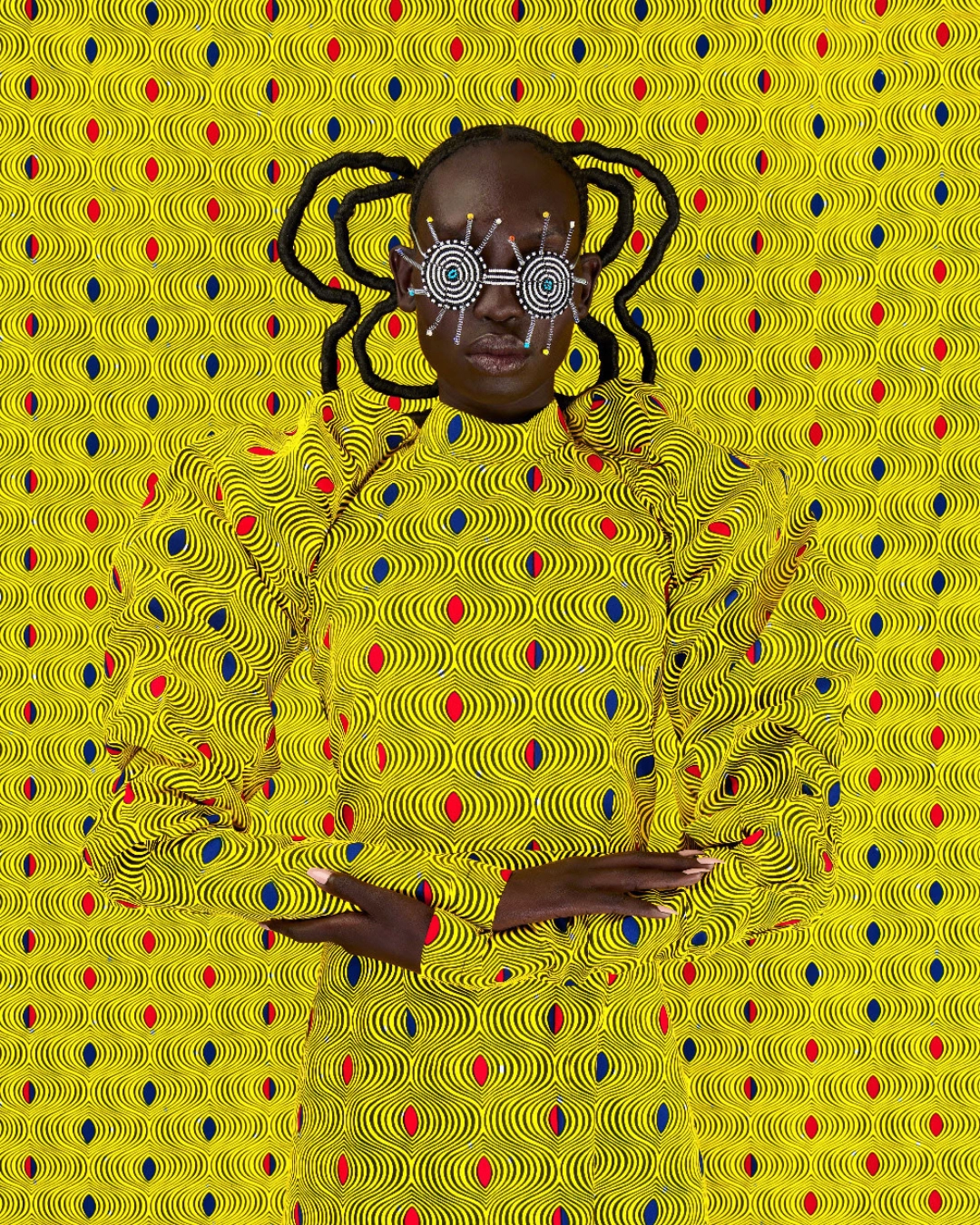
A significant part of today’s success stems from connections forged with the worlds of design, ready-to-wear and haute couture. The synergies between visual artists, fashion designers and African fashion stimulate creativity and multiply opportunities for international visibility. Africa Fashion Tour regularly explores these collaborations, which boost the professionalization of galleries and workshops.
For many observers, the development of the contemporary African art market will be to further integrate African lifestyle values into the luxury sector. Capsule collections, limited editions, immersive installations… these are all initiatives likely to appeal to a public keen on originality and attached to the notion of living art, in direct touch with its time.
- The rise of online sales platforms for global exposure.
- Strategic alliances between artists, designers and luxury brands, driving increased visibility.
- Ongoing training and professional structuring of galleriesa guarantee of long-term legitimacy.
- Emergence of hybrid events combining art, fashion, performance and lifestyle to attract new investors.
- Strengthening South-South cooperation promoting access to regional and international markets.
Towards a new global cultural map?
As geographical boundaries become increasingly blurred, the dialogue around the contemporary African art market is intensifying. More than just an exotic exception, African artists and designers from the diaspora now occupy a strategic position in the reinvention of the global canons of beauty, chic and subtlety. The diversity and creative energy embodied by this scene are gradually canceling out the fashion effect and establishing a lasting trend. global integration integration.
For those who follow fashion, design and lifestyle through media such as Africa Fashion Tour, 2026 promises to be a year of discovery and innovation. Stimulating encounters and audacity, the African scene not only attracts collectors and investors, but also intrigues consumers in search of different inspirations. This profound movement is helping to shape a new map of taste, where African art is finally shining out as a key player in contemporary creation.