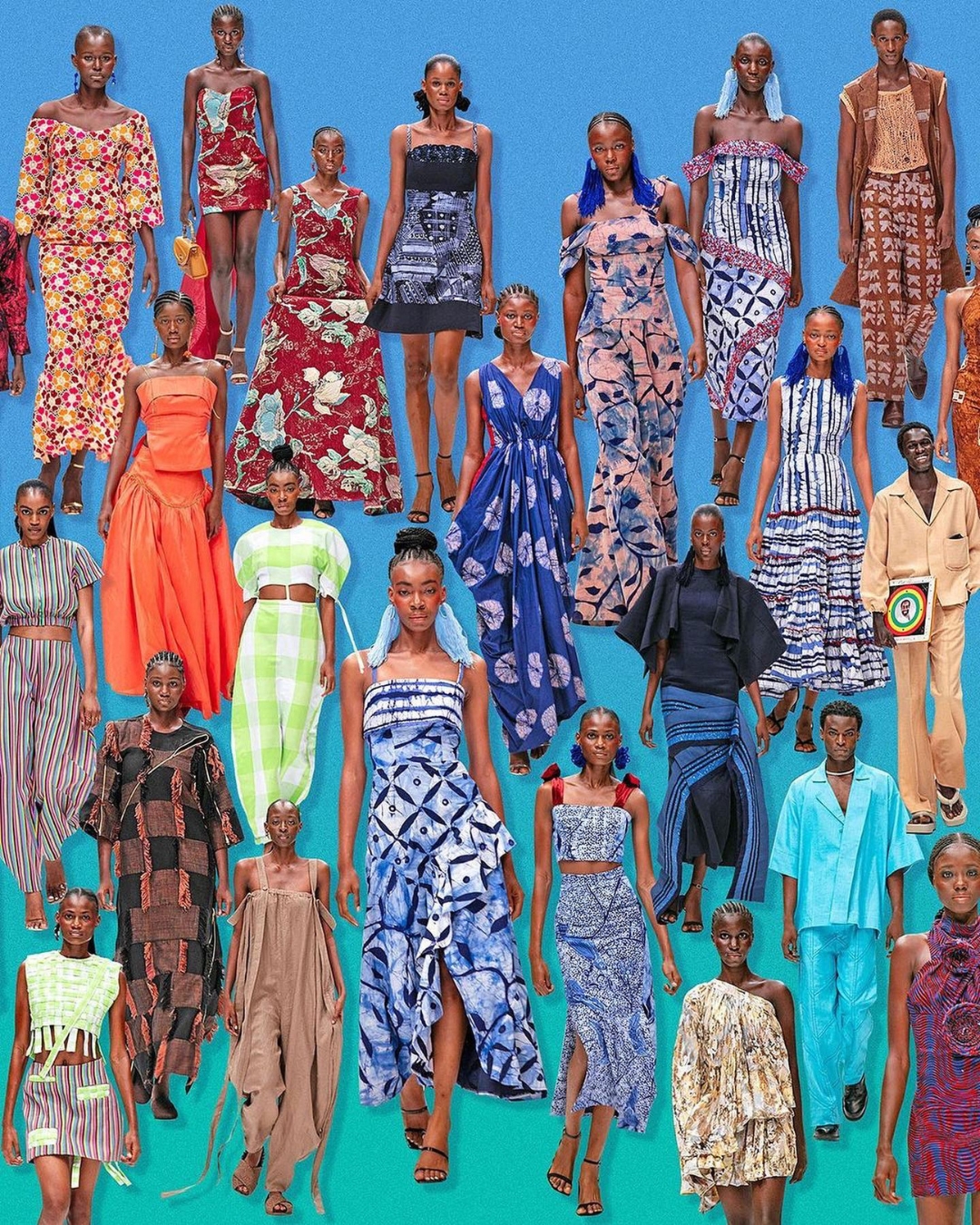
Building the Fashion and Creative Innovation Ecosystem in the DRC
From Her Artistic Journey to Her Breakthrough in Kinshasa
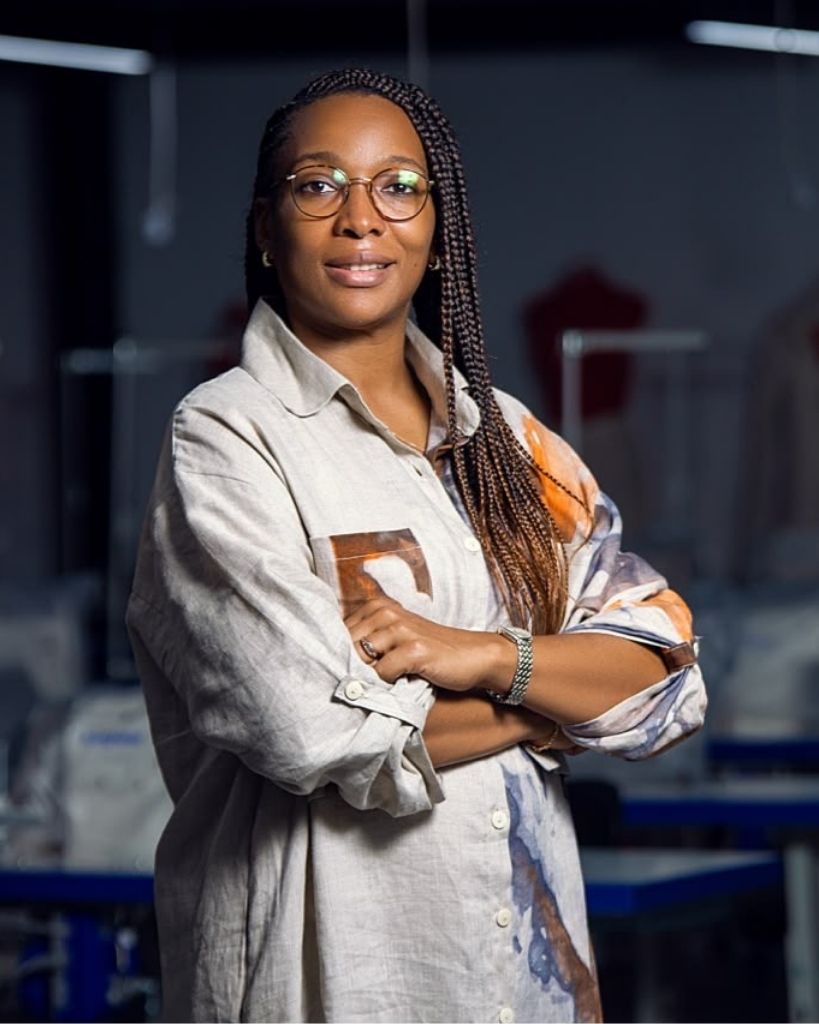
There was no indication that Sidonie Latere would become one of the leading figures in business incubation in Central Africa. An artist at heart, trained in visual arts and advertising at the École Supérieure des Arts Saint-Luc in Liège (Belgium), she spent nearly twenty years working in the fields of design, production, and advertising in Europe.
It was during her regular visits to Kinshasa that she began to realize something. Faced with the buzz and boundless creativity of Kinshasa’s streets, Sidonie realized the disconnect between the abundance of raw talent and the near-total lack of infrastructure to monetize it.
“Talent is everywhere. But the real problem for entrepreneurs in Africa is that we’re forced to do everything on our own, without a value chain to fall back on. We needed to move from pure creation to building viable businesses. ”
To address this need, she made a strategic shift: she moved away from the role of artist to take on that of mentor, coach, and business leader.
Kobo Hub, the DRC’s first incubator
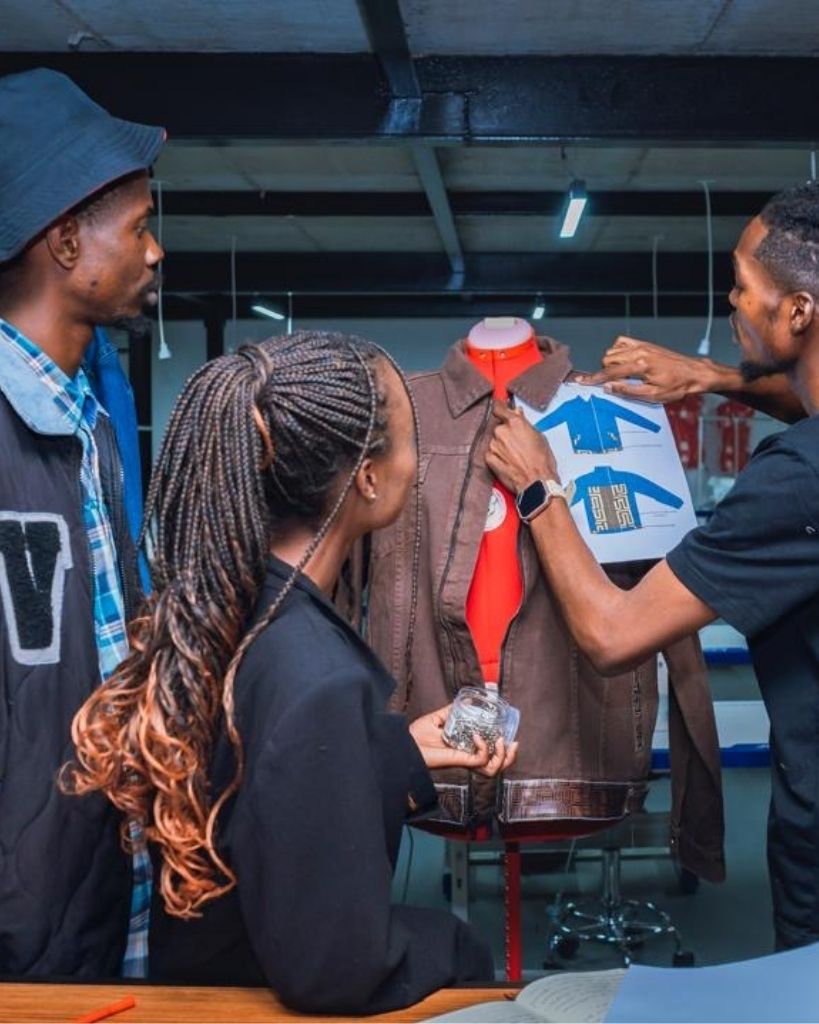
By creating Kobo Hub, Sidonie Latere is laying the groundwork for Kinshasa’s very first incubator and accelerator. The goal is clear: to train entrepreneurs, help them develop their business models, and enable them to generate recurring revenue.
Initially supported by the Dutch Ministry of Foreign Affairs and later by various international donors and diaspora funds, Kobo Hub operates coworking spaces and support programs tailored to the realities of the local market.
The Breakdown of the Sectoral Model
After a few years in operation, Sidonie implemented a major overhaul of Kobo Hub’s methodology. Noting that general-purpose incubators (which mix tech, agriculture, energy, and crafts with the same coaches) have high failure rates—with nearly 60 to 70 percent of companies disappearing after two years—she opted for sector-specific specialization.
“Being a generalist involves a lot of theory but yields few results in the market. By focusing on specific sectors, we bring in industry experts who can help entrepreneurs grow their revenue from $1 to $10 per month.”
Iconic Success Stories
This targeted approach quickly bore fruit with the emergence of international successes:
- Schoolap: This EdTech startup, supported by Kobo Hub, has raised funds, established its headquarters in Dubai, and expanded into Côte d’Ivoire, Benin, Togo, and Kenya, generating more than $2 million in revenue.
- Kilubukila: A Kinshasa-based company specializing in textile design, it has successfully modernized and softened the traditional Kuba fabric to create Kasai velvet. A supplier to major fashion houses, the brand has notably collaborated on a collection with Monoprix in France and now exports its designs to the United States and Europe.
IRMA, Kinshasa’s “Silicon Valley” of fashion
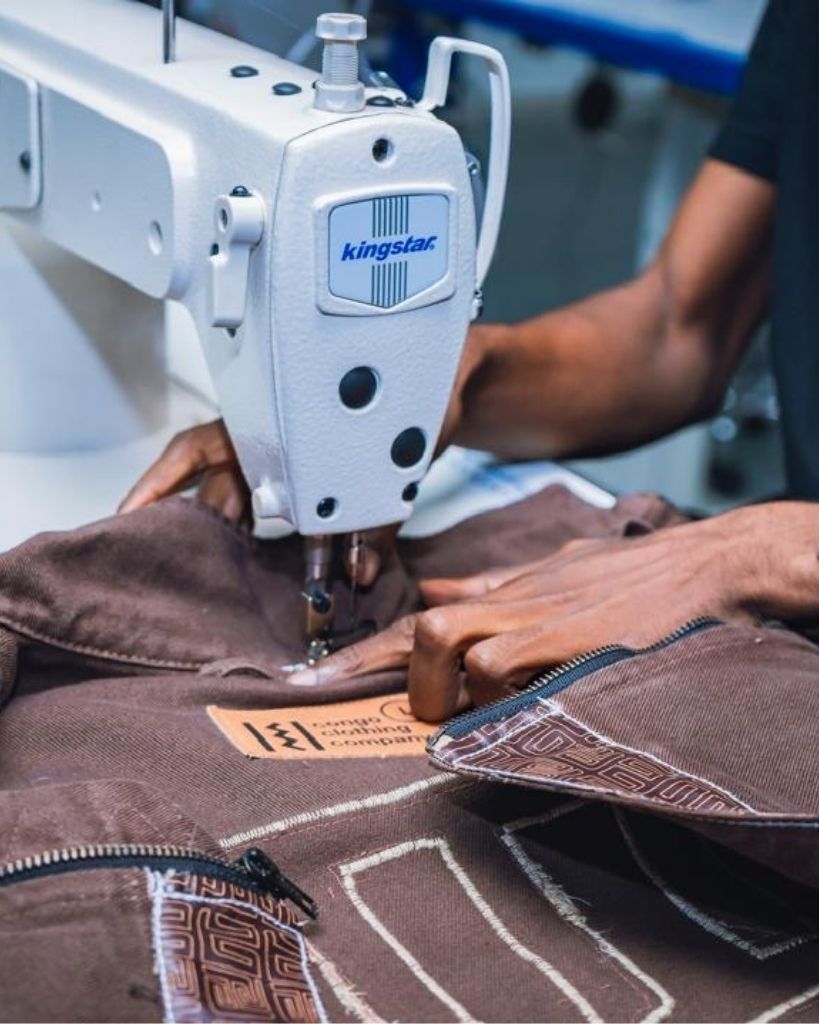
Drawing on this experience, Sidonie Latere identified the cultural and creative industries (CCI)—and fashion in particular—as the sector with the most untapped potential in Central Africa. This led to the creation ofthe Regional Institute of Fashion (IRMA).
Designed as a comprehensive physical space inspired by the model of technology clusters, IRMA brings together under one roof everything a creator needs to grow their business:
- A textile Fab Lab and industrial garment manufacturing workshops.
- The first library in Africa specializing in the creative industries.
- Coworking spaces, a photo/video studio, and a podcast studio.
- A music recording and rehearsal studio (in partnership with Planet Jupiter), creating a natural bridge between fashion, SAPE, and Congolese rumba.
The project has taken on a major international dimension following a strategic partnership with the French Embassy. Officially announced by President Emmanuel Macron at the Africa-France-DRC Summit, the program has received an investment of more than $3 million to make Kinshasa the leading fashion hub in Central Africa.
Scientific Research and the “SAPE of Tomorrow”
Far from being limited to organizing fashion shows, the Regional Institute of Fashion incorporates a profound academic and intellectual dimension.
1. Research & Development
IRMA is currently funding the work of six doctoral students affiliated with Parisian universities. Their research focuses on the modernization of traditional textiles (such as Kuba fabric) and on the theoretical formalization of African fashion.
2. The Museum and the SAPE Permanent Exhibition
Inaugurated on September 25, a permanent exhibition dedicated to the Société des Ambianceurs et des Personnes Élégantes (SAPE) showcases this intangible cultural heritage recognized by UNESCO. The goal is to move beyond the cliché of extravagant outfits to teach the “SAPE of tomorrow”: a philosophy in which SAPEurs champion local creations and handmade textiles from the continent.
3. The Kinshasa Scientific Symposium
Held on September 24 and 25 in Kinshasa, this symposium brings together researchers, professors, and stakeholders in the cultural and creative industries from across Africa. The goal is to develop a set of guidelines and strategic recommendations for governments and investors.
Building an “army of technicians” for industrial sovereignty
For Sidonie Latere, the top priority for African fashion lies not in design, but in technique and the supply chain.
“Many brands want to succeed with great concepts, but the execution often falls short due to a lack of qualified technicians. We’re training a veritable army of technicians in patternmaking—including digital patternmaking to minimize fabric waste—precision sewing, and upcycling. ”
By encouraging designers to outsource production to specialized workshops rather than doing everything themselves, IRMA is building a true industrial value chain.
By expanding her operations to Brazzaville, Cameroon, Gabon, the Central African Republic, and soon Nairobi in East Africa, Sidonie Latere demonstrates that the future of African fashion rests on training, physical infrastructure, and the sovereign reclaiming of its cultural narrative.
Read also