The Foundations of Field Expertise
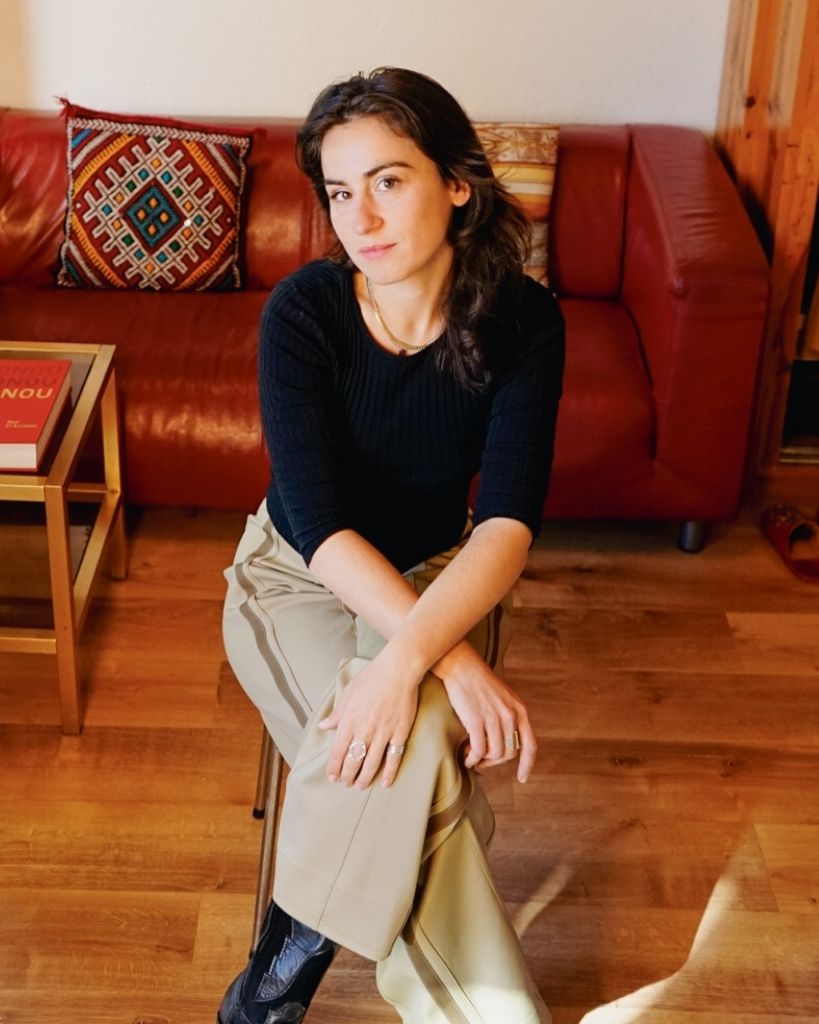
For Bethsabée Gabbay, cultural production isn’t a theoretical concept, but a discipline that’s learned on the job. With a bachelor’s degree in event management, she is learning the trade at major organizations such as GL Events and at international tournaments like Roland Garros, where she works as a “venue scout” for unique locations in Paris.
This ability to enhance and reinterpret spaces led her to Remix Community, a pioneering coworking space in Paris. For four years, she managed a hybrid community of 300 members there, divided equally between tech entrepreneurs and creatives (artists, graphic designers, and authors). It was there that she came to understand the power of multidisciplinary interactions and event programming as tools for business growth.
In 2020, as the COVID-19 pandemic disrupted her travel plans to Latin America and Detroit, Bethsabée seized an opportunity in Benin with the organization Afrique Pleine d’Avenir. In Cotonou, she created a multidisciplinary festival dedicated to women’s empowerment and entrepreneurship through art, music, and media.
“In Benin, I had free rein. My passion is bringing people together. We created a festival to promote entrepreneurship among young women and explore how to combine creativity with professional ambition. It was a real eye-opener. ”
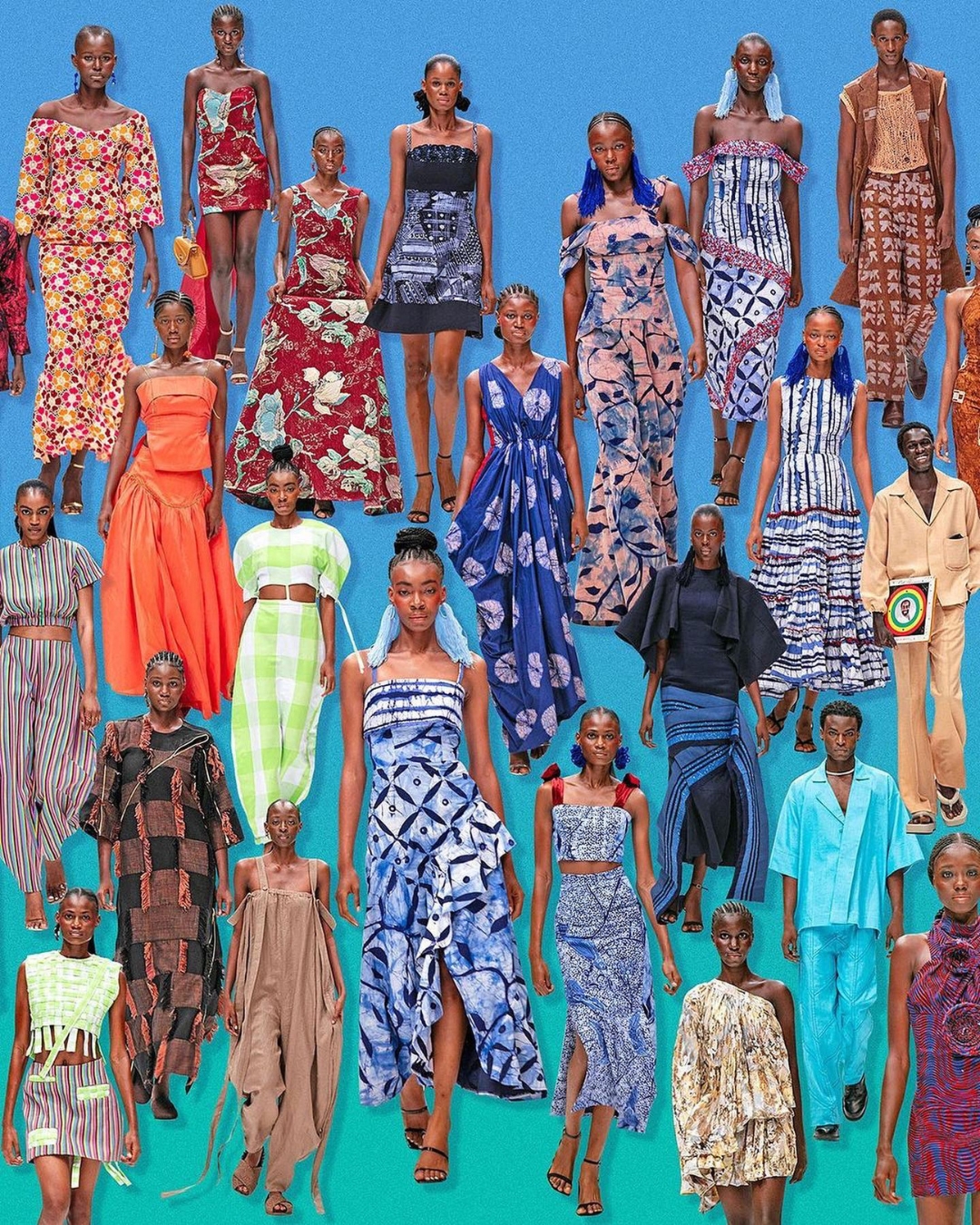
This immersion also led her to conduct in-depth research on Benin’s textile industry, from Cotonou to Natitingou, via Abomey. There, she discovered not only the richness of local cotton but also the vulnerability of ancestral artisanal skills in the face of industrial standardization. There, she forged strong ties with the local community, notably by collaborating with Raffi, founder of a cultural “third place” in Porto-Novo, and the music label Doli Doli.
The Science of Third Places
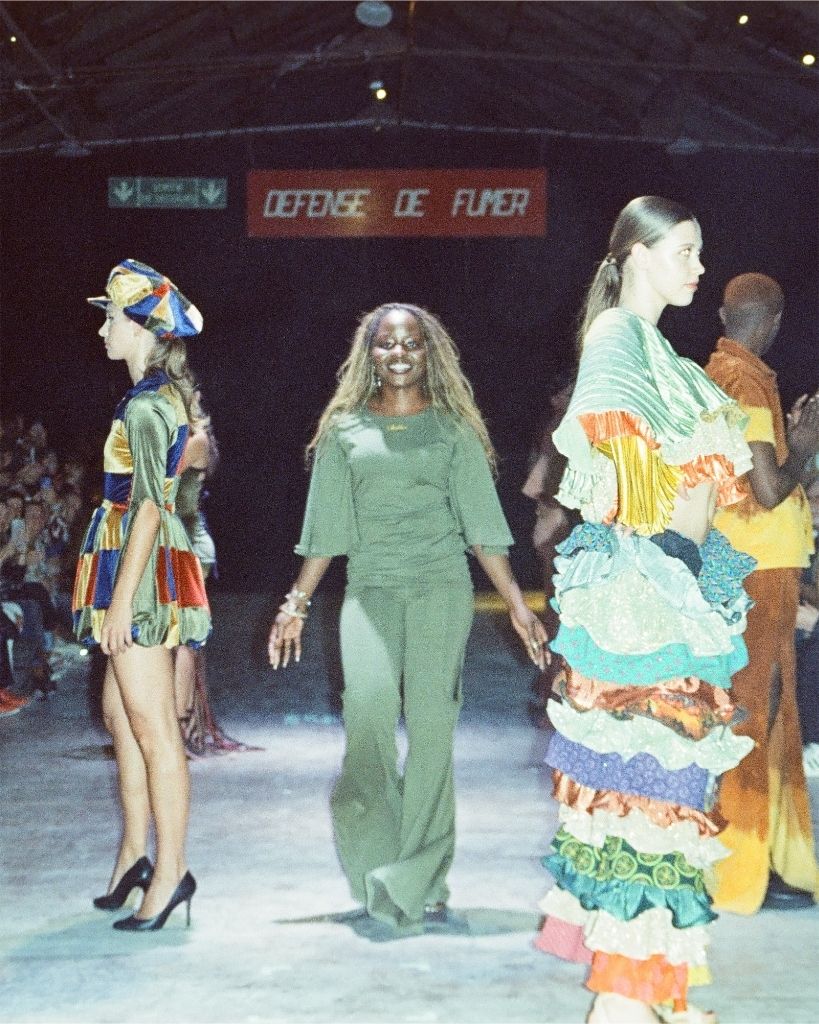
Building on her experience in West Africa, Bethsabée moved to Montpellier to join Halle Tropisme, a European-scale creative hub that hosts more than 900 events a year. For four years, she served as the head of Cultural and Creative Industries (CCI) there.
In this open-air laboratory, which is closely tied to the dynamics of international cooperation in the city of Montpellier—particularly through the Euro-Africa Biennale—she is refining a community management model that refuses to pit the general public against creative residents. There, she is learning to design business models for complex and resilient events, where profitability does not rely solely on traditional ticket sales but on approaches such as equipment sharing, cross-sponsorship, and cross-sector partnerships (such as the alliance between culture and sports).
“Smart Consulting” Supporting Artists and Regions
Since 2025, as an independent cultural producer, Bethsabée Gabbay has structured her business around three pillars of high-value-added support:
1. Artists’ Commercial Growth
With over 10 years of experience in the world of entrepreneurship, Bethsabée treats artists as business leaders. Her coaching services help talented individuals to:
- Identify, analyze, and win public or international cooperation project proposals.
- Structure their positioning, portfolio, and exhibition narrative.
- Optimize their digital visibility to attract leading galleries and buyers.
2. The Strategy for Developing Venues
She advises physical spaces and event venues on their cultural transformation. She is currently working with a venue in Normandy to develop it into a sustainable artist-in-residence program by securing public and municipal funding.
3. Program Design for Institutions
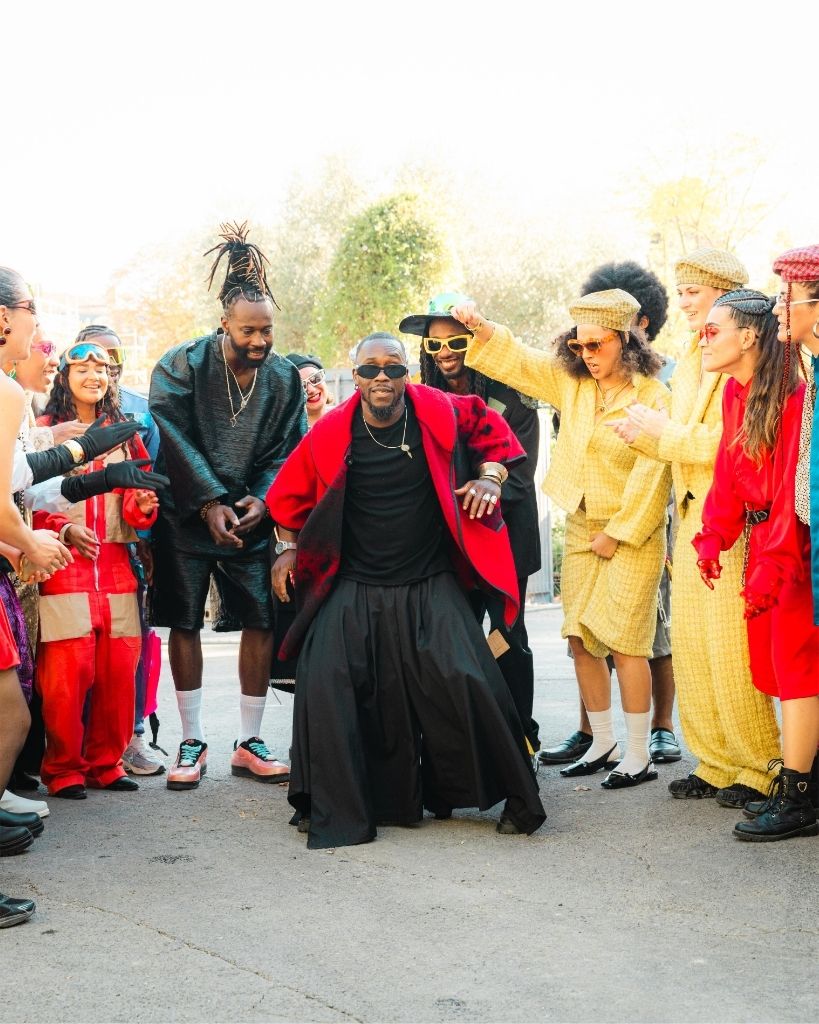
Bethsabée designs large-scale cooperation and mentoring programs. In the past, she coordinated an incubator for creative entrepreneurs in Botswana, incorporating study trips (learning expeditions) to South Africa and Paris to provide participants with an inside look at Fashion Week, trade shows such as Tranoï, and buyers at Galeries Lafayette. She also collaborates with Expertise France on organizing trade shows dedicated to diaspora communities.
Although Bethsabée had long been mulling over the idea of opening her own physical “third place,” the situation on the ground has caused her vision to evolve. Faced with the operational and real-estate burdens of a fixed space, she now favors the creation of mobile collectives capable of expanding internationally in an agile manner.
She is currently preparing to launch a collective of experts and independent artists based in France, Morocco (Casablanca), and several Portuguese-speaking countries, in partnership with a business partner who manages musicians and operates in Brazil.
To build this community’s visibility, it uses Instagram as its own media and strategic monitoring tool. There, it shares funding opportunities, breaks down the inner workings of the industry, and highlights the richness of stories from people of African descent.
Read also