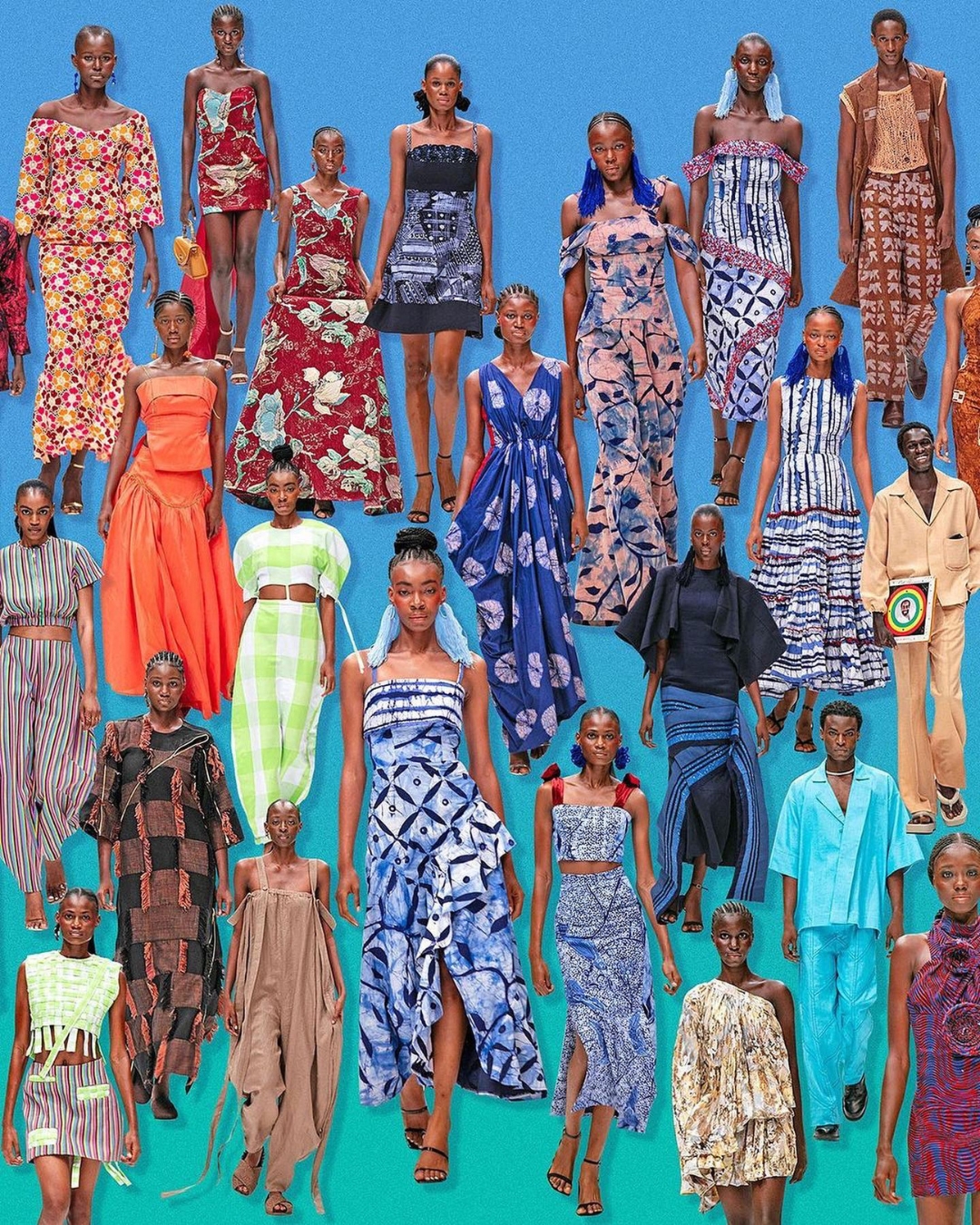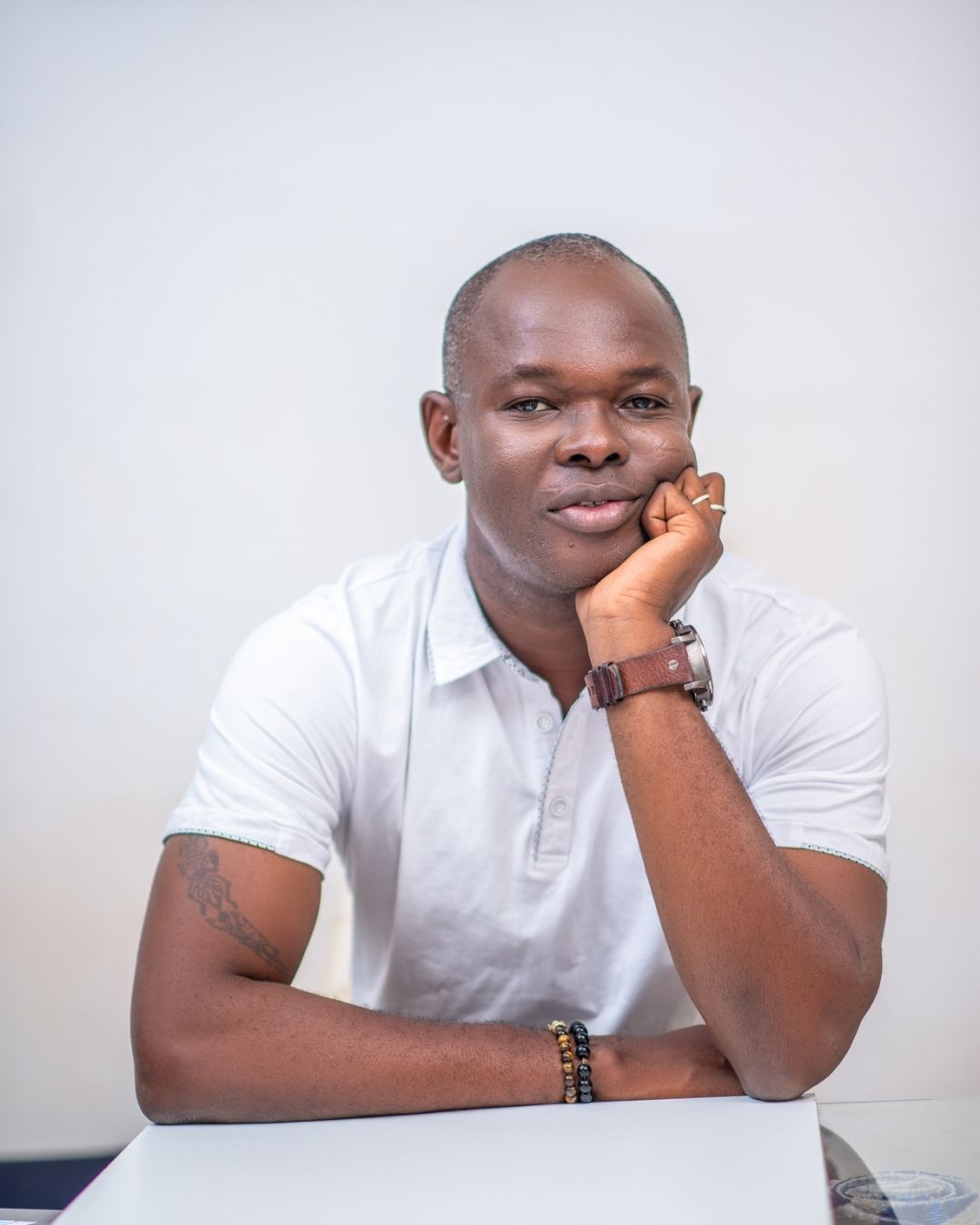
From the workshops of Adjamé to the betting scene in Ouagadougou
For Sébastien Bazémo, fashion design wasn’t a late-in-life choice, but a calling he felt from an early age. As a child, he would hide under his mother’s petticoats during her visits to tailors, and he began piecing together scraps of fabric under his school desk at a very young age. Faced with his father’s reluctance—who at the time viewed careers in fashion as a dead-end path reserved for those who had failed in school—it was his mother who became his first ally and role model.
After spending a year apprenticing with his uncle, a tailor, Sébastien enrolled in a fashion school in Côte d’Ivoire before completing his training over the course of more than four years at a renowned workshop in Adjamé. Armed with his first sewing machine—which his mother had bought at an auction—he cut his teeth by making clothes for the young people in his neighborhood.
In 2004, realizing that the Abidjan market had reached saturation, he made a bold decision: to set up shop in Ouagadougou, the capital of Burkina Faso.
“When I arrived in Burkina Faso on May 4, 2004, I hardly knew anyone. Fashion there was very basic compared to Abidjan. But I set up a booth at the SIAO (Ouagadougou International Handicrafts Fair), and that’s how my network grew through word of mouth. ”
Originally launched under the name Bazem’se, the brand underwent a strategic transition in 2020 to the eponymous name Sébastien Bazemo, affirming its status as a high-end design house.
The Koko Dunda Saga
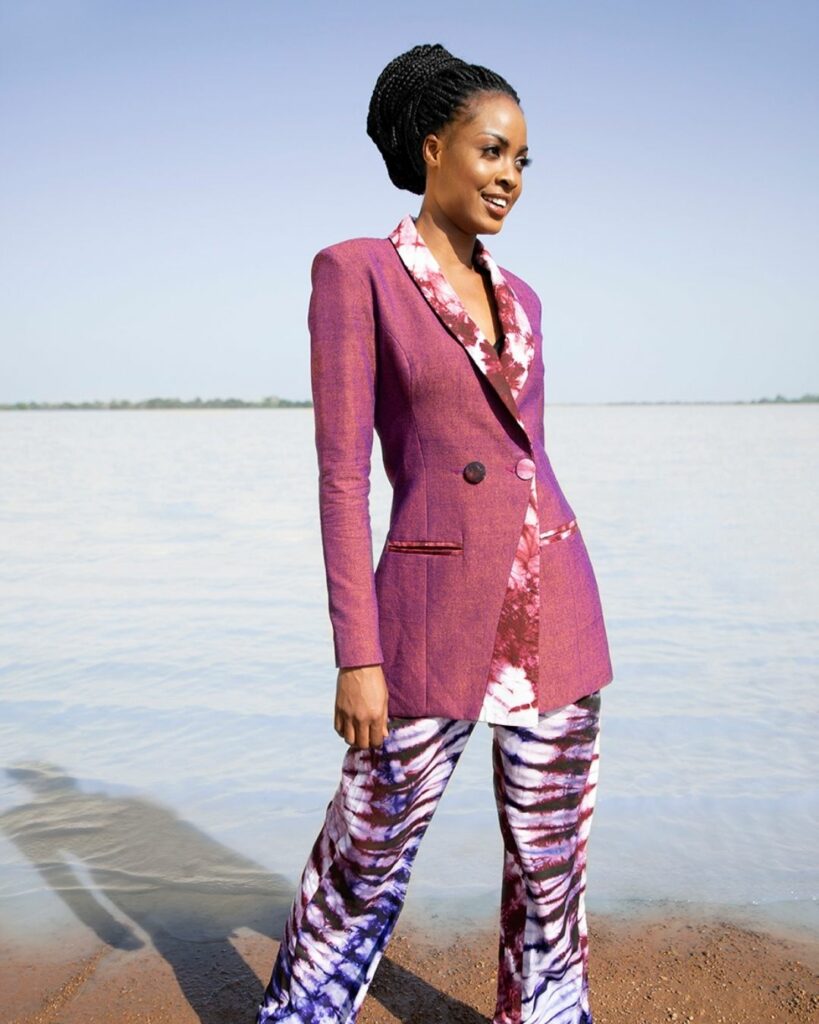
Sébastien Bazemo’s most significant contribution to the history of African textiles lies in the revival of the Koko Dunda.
Formerly known as Chechibarala (a colloquial expression meaning “my husband doesn’t work”), this hand-dyed cotton fabric was heavily stigmatized by society. Associated with poverty and limited to dark colors (purple and green), it was shunned by the urban elite.
In 2016, while searching for local materials to address the stiffness of traditional Faso Dan Fani, Sébastien discovered pieces of this fabric at the Grand Market in Ouagadougou. Sensing its potential for drape and breathability, he bought his first batch and designed contemporary shirts. Despite initial mockery from his customers, he decided to go straight to the source of the craftsmanship.
He travels to Bobo-Dioulasso, in the historic Koko neighborhood, where groups of women practice hand-pleating and dyeing. Sébastien commissions exclusive designs from them, incorporating warm, modern colors (yellow, red, and sunny hues).
To put an end to the prejudices once and for all, he organized a memorable press conference in Ouagadougou to officially rename the fabric:
“I didn’t want this fabric to be called Tchétchibarala anymore. I named it Koko Dunda in honor of the mothers in the Koko neighborhood of Bobo-Dioulasso who carry on this remarkable craft. It was a way to do justice to their craftsmanship. ”
Today, Koko Dunda is officially certified and protected by the Burkinabé government, having become a symbol of national pride and a major economic sector.
From the Presidential Couple to the International Stage
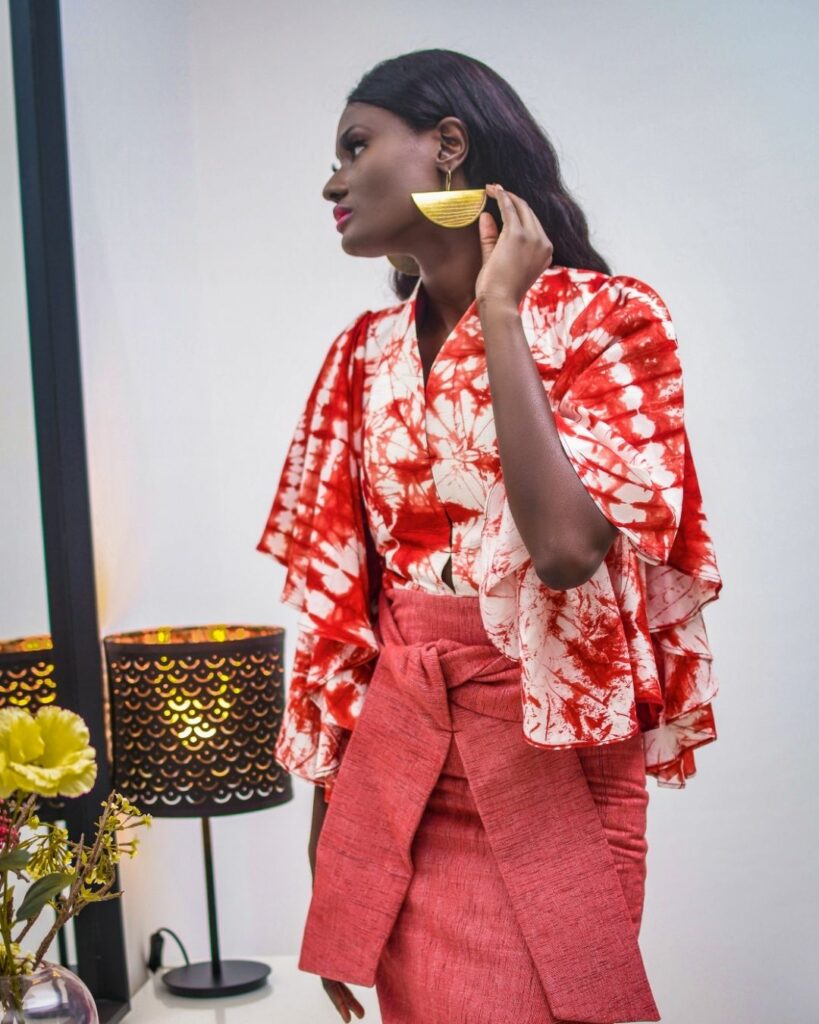
The popularity of Koko Dunda reached new heights thanks to a creative diplomatic initiative. Convinced that institutional support was essential to boost the textile industry, Sébastien Bazemo requested a meeting with the then-presidential couple of Burkina Faso.
Impressed by the concept, the president and first lady agreed to wear his designs during public appearances and official receptions. Shortly thereafter, the designer organized a private fashion show presenting the Koko Dunda collection in four themes: casual wear, evening wear, everyday wear, and wedding attire.
The success was immediate and resounding. The brand became the go-to choice for celebrities visiting Burkina Faso. Sébastien Bazemo went on to dress royal figures such as Princess Charlène of Monaco, as well as global music icons like Alpha Blondy and Fally Ipupa.
An ethical business model rooted in the local community
Beyond its focus on aesthetics, Sébastien Bazemo has established itself as a company with a strong social impact. The entire production chain is based on the use of local fibers and handcrafted production:
- 100% Locally Sourced: The cotton is grown, woven, and dyed in Burkina Faso in direct collaboration with women’s cooperatives and artisan associations.
- Job Creation: The main workshop in Ouagadougou employs more than thirty people (seamstresses, patternmakers, embroiderers) and also trains technicians from across the subregion (Nigeria, Côte d’Ivoire, Togo, Benin).
- Conscious Consumption: The brand advocates for responsible luxury, where every garment purchased directly contributes to fair compensation for dyers and weavers.
The “Folies de la Mode” Event
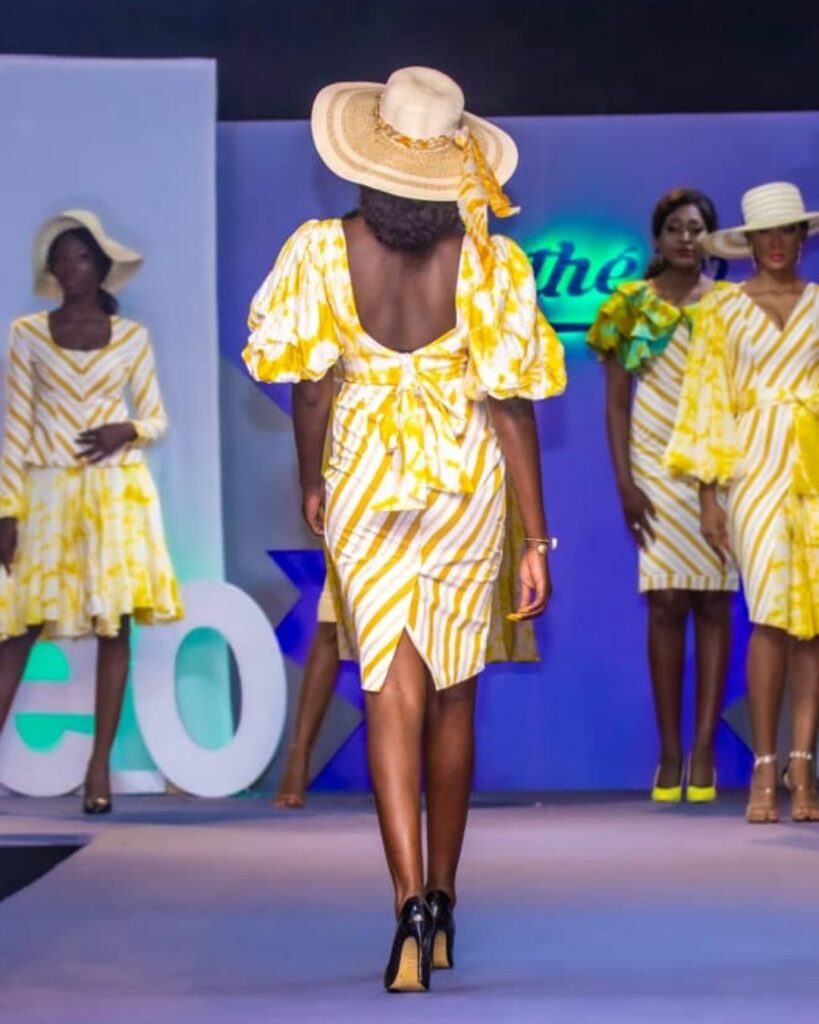
Sébastien Bazemo, who is actively involved in shaping the creative ecosystem, is also the founder of the Les Folies de la Mode festival. For the past fourteen editions, this event has brought together leading figures in African fashion (Pathé’O, Alphadi) and the emerging young talent in Ouagadougou.
Today, as he divides his time between France and Burkina Faso, the designer manages his workshop in Ouagadougou remotely, thanks to a trusted team led by his brother and his longtime assistant.
Its distribution strategy is now based on a hybrid model:
- Bespoke and haute couture: Designed for special occasions and international fashion shows.
- Limited-edition ready-to-wear: Featured at pop-up events and sold at partner concept stores in Abidjan, Paris, and Geneva.
By bringing Koko Dunda from the artisan workshops of Bobo-Dioulasso to Parisian fashion shows, Sébastien Bazemo demonstrates that African textile sovereignty rests on the unapologetic celebration of its cultural heritage and mastery of its production tools.
Read also