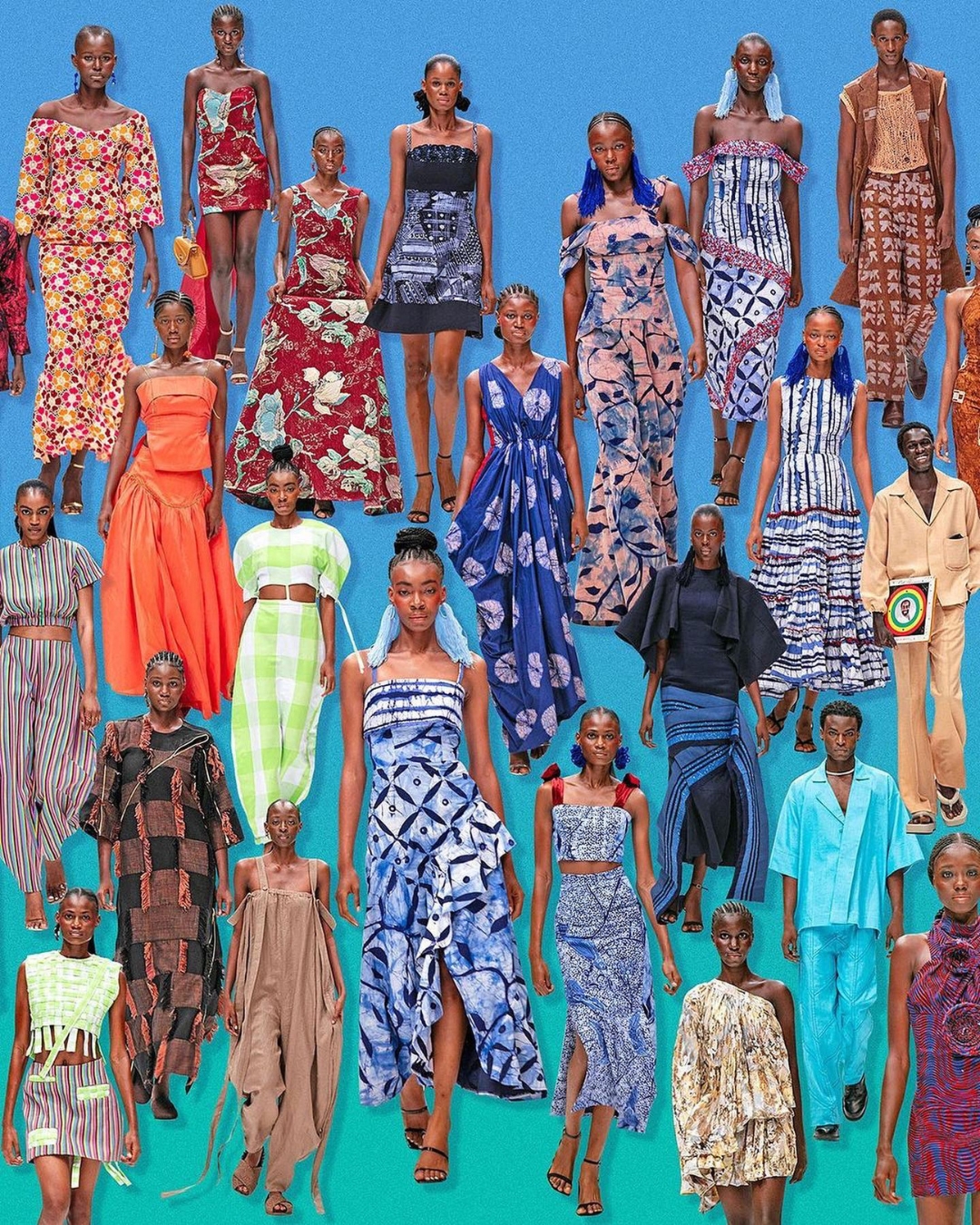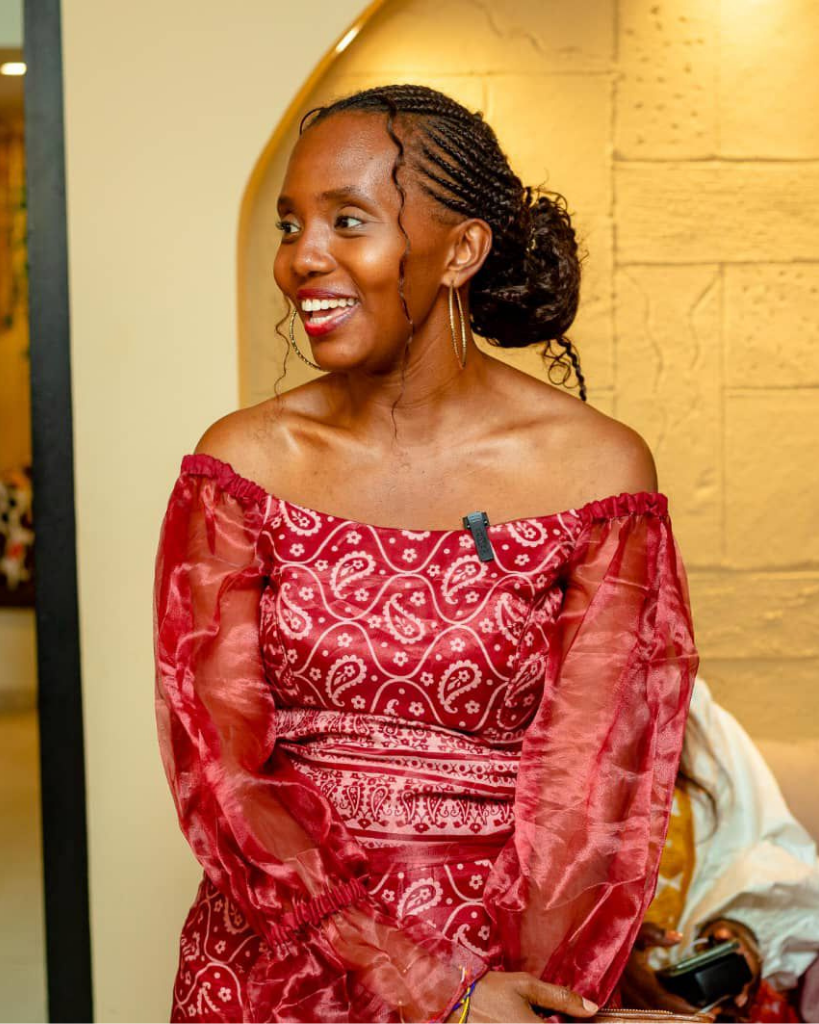
Building the future of Beninese fashion with the FLY program
Siti Ben Boina embodies this generation of professionals from the diaspora who have chosen to put their cutting-edge expertise at the service of continental development. Born in Paris and raised in Marseille, this Franco-Comorian woman developed a passion for fashion at a very early age, a world whose prestigious schools seemed inaccessible to her at the time. She began by taking a degree in management (DUT GEA), before combining her two passions with a degree in fashion product management in Aix-en-Provence, followed by a Master’s in luxury marketing in Paris.
Her career got off to a flying start at Vestiaire Collective, then in the midst of its start-up phase. It was here that she acquired solid expertise in marketplaces, second-hand models and tech applied to fashion. After launching her own accessories brand inspired by East African and Comorian aesthetics, she moved to Senegal, before settling in Benin.
For two and a half years, Siti worked at Anka (formerly Afrikrea), the reference platform for African fashion and cosmetics designers. This immersion enabled her to decipher the commercial dynamics of East and West Africa, both French- and English-speaking, before establishing herself as a consultant specializing in compliance and export. Last December, she joined Sèmè City to structure and launch the second cohort of the FLY program.
FLY incubator
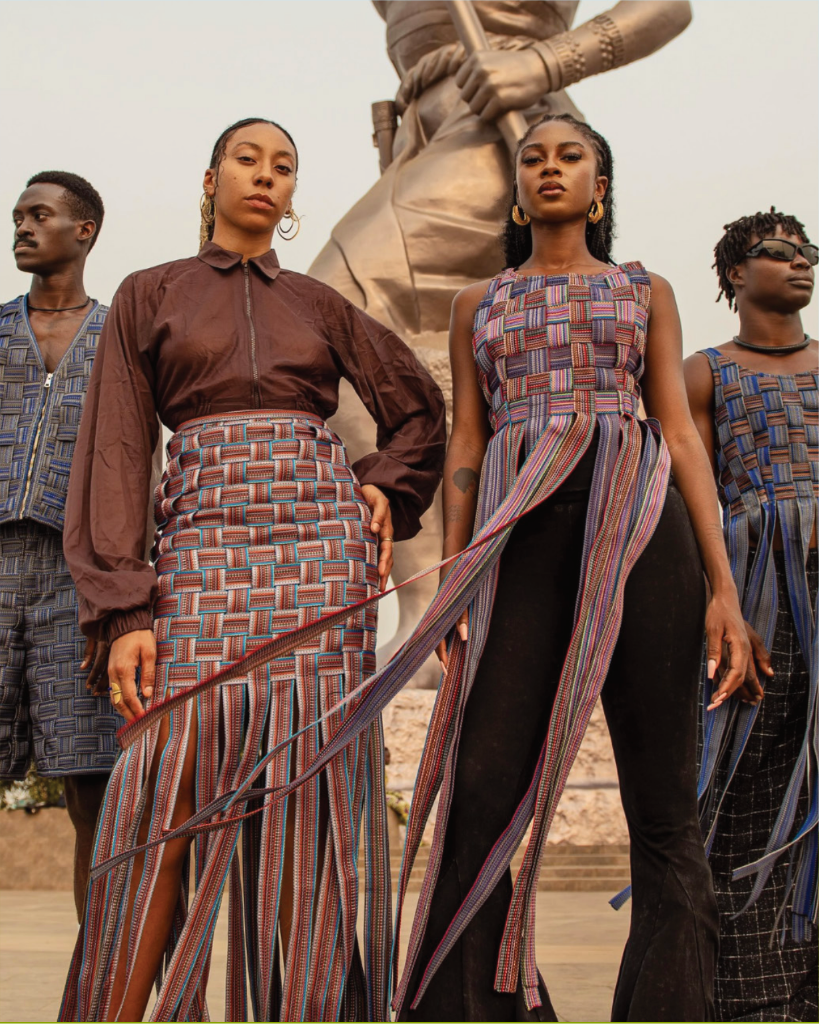
Bai Gallery.
Implemented by the Sèmè City development agency in Cotonou, in close partnership with the prestigious Institut Français de la Mode (IFM) and financed by the World Bank (via the FP2E project), the FLY (Fashion Led by Youth) program is a new kind of gas pedal.
Over a 12-month period, the incubator offers comprehensive support combining branding, modeling, merchandising, digital and marketing.
“Our aim is to give entrepreneurs concrete tools to build viable, job-creating, export-ready businesses.”
After an initial class of 19 incubates (including Fadil, founder of the eponymous concept store), the 2026 cohort, launched in March, welcomes 13 carefully selected brands. Unlike the previous edition, the program focuses exclusively on companies with commercial traction and strong potential for sub-regional and international development.
The learning format is hybrid and ultra-qualitative:
- Intensive seminars in Cotonou: IFM experts travel every three months to provide high-level face-to-face training.
- Online modules & 1-to-1 mentoring: Between seminars, incubatees take theoretical courses followed by personalized 30-60 minute one-to-one meetings with Paris-based teachers to adapt the concepts to their own brand.
- Immersion in Paris: An exclusive seminar at the heart of the IFM with workshop visits and professional meetings.
- Demo Day: An invitation-only end-of-course presentation to an audience of investors and industry figures.
Deciphering the structural challenges facing local creation
Drawing on his experiences at Vestiaire Collective, Anka and Sèmè City, Siti Ben Boina takes a clear-eyed look at the obstacles holding back the expansion of West African brands.
1. Standardizing and retaining talent
Benin has an abundance of talented dressmakers and tailors, but the absence of a unified training method prevents standardization of collections. What’s more, workshops struggle to retain their skilled personnel, who often choose to set up on their own as soon as they have completed their training.
2. The sourcing headache
Although Benin is a major cotton producer, the variety of weaves available locally remains limited (materials such as jersey and knitwear are in short supply). Designers have to turn to neighboring countries for their haberdashery (fasteners, buttons, labels), which is often imported from China or Turkey, adding to production costs and lead times.
3. Prohibitive logistics costs
Intra-African export remains one of the most frustrating obstacles. Sending a parcel from Cotonou to Lagos (yet less than three hours away) by formal express carrier sometimes costs more than the intrinsic value of the piece, forcing brands to navigate between informal systems and customs surcharges.
Cultural storytelling, the ultimate competitive advantage
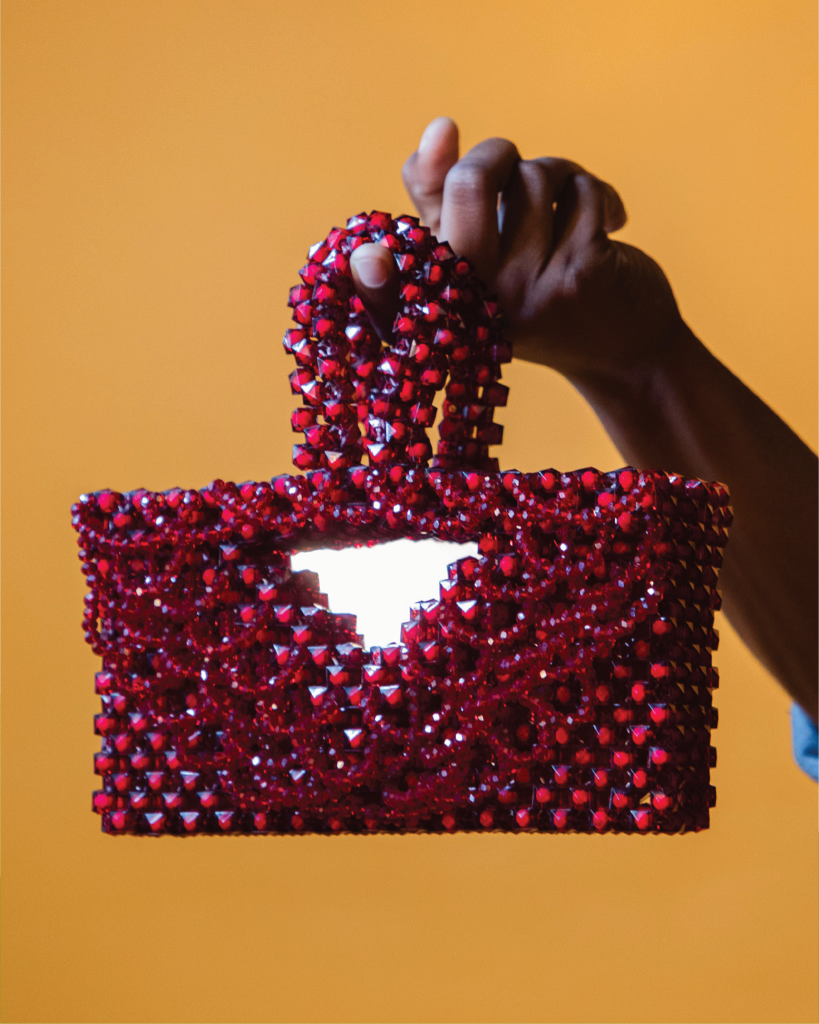
Wonderful Woman.
How do Beninese brands cope with these constraints? The answer can be summed up in one word: storytelling.
“African brands have wonderful stories to tell. Their creations are rooted in extremely strong cultural elements, and it is this enhancement of their heritage that makes them so powerful.”
Siti cites the example of the Vognon brand (from the first cohort), which reinterprets sequin work with brio. This know-how is directly inspired by the colorful and mystical traditional costumes of the Egunguns (the ghosts of Benin’s voodoo culture), transforming a ceremonial garment into a high-end contemporary piece.
Building tomorrow’s ecosystem
True to its motto “Innovation Made in Africa”, the Sèmè City agency isn’t planning to stop at incubation. To find a lasting solution to the problem of manpower, the institution is actively working on the launch of a fashion school in Cotonou.
This ambitious project will cover the entire spectrum of the industry: from technical training (from CAP to Bac+3) to structure workshop professions, to managerial diplomas (Bac+3 to Bac+5) in partnership with international institutions to train the continent’s future artistic directors and product managers.
By fostering local bridges, such as the visual collaborations carried out with students from the African Design School, Sèmè City is sketching out the contours of an autonomous fashion industry, proud and ready to set its own tempo on the international scene.
Read also