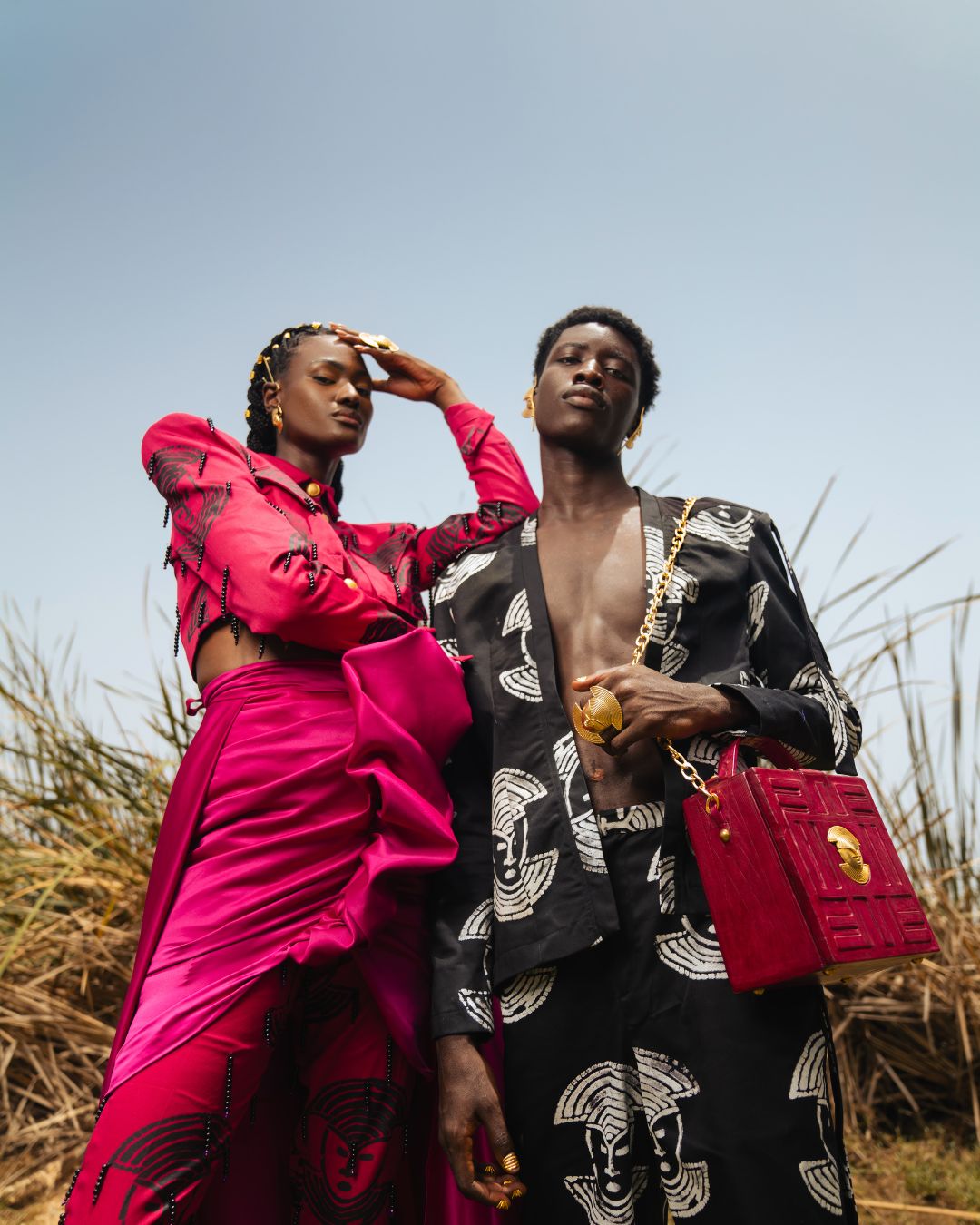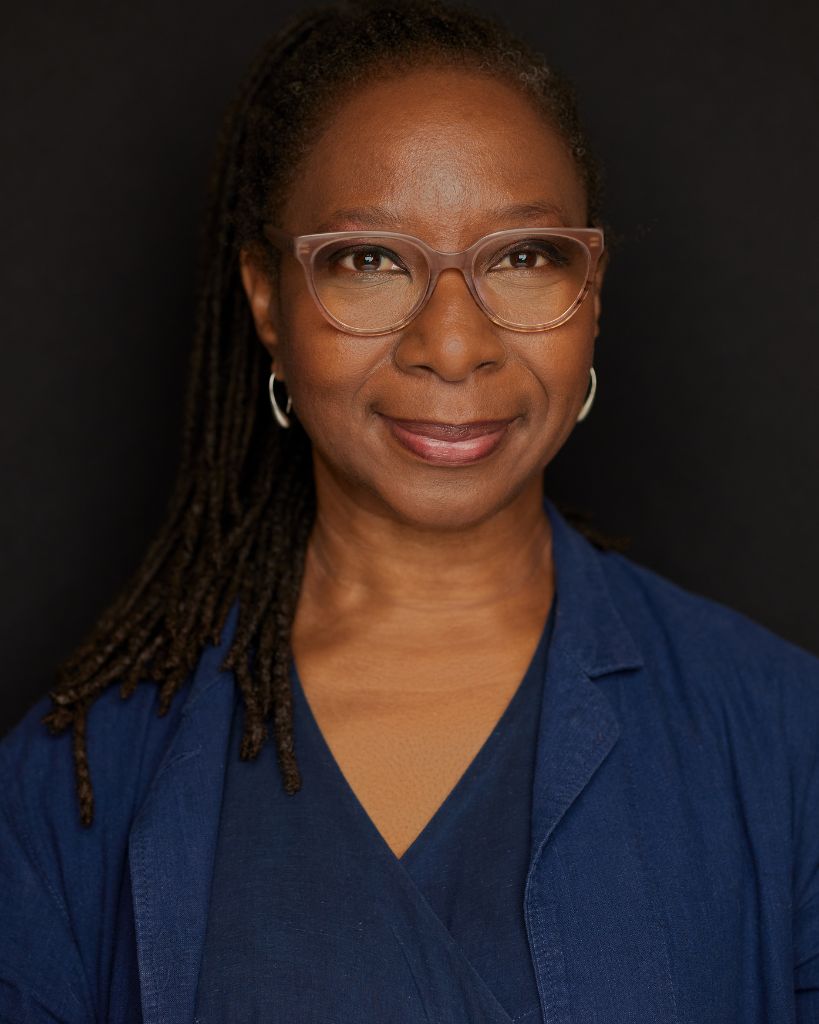
Interview with Dr. Christine Checinska, Chief Curator of African and African Diaspora Fashion and Textiles at the Victoria and Albert Museum
“Africa Fashion” is the V&A’s first exhibition devoted exclusively to African fashion in the museum’s 170-year history. What was the main catalyst—or the greatest internal resistance—when the project was first proposed?
Dr. Christine Checinska : The Victoria and Albert Museum (V&A) is the world’s leading museum of art, design, and performance. It houses the national collection of textiles and fashion, one of the largest and most comprehensive in the world.
This exhibition is the most comprehensive presentation of African fashion ever organized in the United Kingdom. It showcases designers from more than twenty countries, covering a wide range of aesthetics, and is part of the V&A’s ongoing commitment to highlighting the work of African designers and the global diaspora, while expanding our collections and programming in this area.
Although this isn’t the first time we’ve featured Black fashion at the museum—as with the “Black British Style” and “Streetstyle” exhibitions—it is the museum’s first major exhibition dedicated to the creative output of the continent. We hoped this exhibition would spark a redefinition of the geography of fashion and become a defining moment for the industry.
African fashion is leading the way in avant-garde contemporary design on a global scale. This realization motivated us from the very beginning: the strength and impact of the designers themselves demanded our attention. The exhibition was a timely celebration of the vitality and innovation of a selection of fashion designers, exploring the work of 20th-century pioneers and key figures in today’s cosmopolitan and diverse fashion scene.
The exhibition also laid the groundwork for future projects, as we continue to work collaboratively to develop collections and programs that are relevant to audiences of all cultures, social backgrounds, and perspectives.
You chose to set the story in the mid-20th century, during the era of African independence (from the 1950s to the 1980s). Why was this period of political transition an essential starting point for understanding contemporary African fashion?
Dr. Christine Checinska : There are many stories to tell about the African fashion scene, and many ways to tell them. Thanks to my previous research, my own career as a designer, and my experiences as a member of the diaspora, I knew that the story we were going to tell had to be one of autonomy, abundance, and boundless creativity.
I knew it was important to give our audience a glimpse of both the elegance and the political dimension of fashion. As I delved deeper into my research, I realized that the professionalization of this scene, that is, the emergence of eponymous designer brands, fashion and lifestyle boutiques, and fashion’s impact on the international stage, had begun during the mid-century cultural renaissance, driven by independence movements and liberation struggles.
We therefore had to begin with this period—from the 1950s to 1994—to coincide with the end of the apartheid era in South Africa. It is, of course, important to recognize that, for many, liberation was short-lived. Armed conflicts of various kinds still persist today in several countries across the continent.
During the years of independence, clothing became a powerful tool for national self-assertion and cultural liberation. In your opinion, how did simple choices of fabrics or hairstyles serve as everyday expressions of sovereignty?
Dr. Christine Checinska: Fashion is a universal nonverbal language. It is a form of self-expression that connects us all as human beings: that spontaneous desire to adorn and shape the body.
Textile artist Sonya Clark once said, “Fabric is to Africans what monuments are to Westerners.” ” This perfectly sums up the importance of fabric throughout Africa as a whole, whether it’s raw bolts draped around the body or structured, custom-made pieces.
In the section of the exhibition titled “The Politics and Poetics of Fabric,” we showed how traditional textiles were revitalized during this period and worn with renewed pride, particularly in urban areas. Take the case of adire, for example. Shade Thomas-Fahm, often considered Nigeria’s first fashion designer, cut and tailored adire into mini-dresses sold in her Lagos boutique, which was the must-visit destination for the fashion-conscious of the time.
How did you go about curating this exhibition to showcase the fashion of a continent comprising 54 countries without falling into the trap of generalization or a purely folkloric aesthetic?
Dr. Christine Checinska: African fashion trends are indefinable. Like all fashion trends, they are constantly evolving, constantly innovating, and constantly reinventing themselves. The contemporary African fashion scene is as diverse as the continent itself, with a myriad of creative approaches and design aesthetics. Trying to showcase everything was—and remains—impossible.
Instead, we focused on those who had a clear story to tell through their work, those who expressed a strong point of view and were making their mark on the international scene. We decided to focus exclusively on creators from the continent and/or those working there. Geographically, we adopted a regional approach that blurred the old colonial borders.
The Africa Fashion exhibition offered a glimpse into the sector’s elegance and political significance through five thematic sections, developed based on direct conversations with the designers:
- Minimalist: Focuses on designers whose aesthetic emphasizes architectural silhouettes and a restrained use of embellishments and colors, such as Mmusomaxwell.
- Mixologist: a group of designers who focus on blending colors, patterns, and cultural references, as seen in the work of IAMISIGO.
- Artisanal (Artisanal): highlights the craftsmanship of the hand, whether it’s a couture piece by Imane Ayissi or a hand-woven garment dyed with natural dyes created by Awa Meité.
- Afrotopia (Afrotopie): the broadest category, featuring narrative styles or works by creators who use their art to address a personal issue or a poignant current event (for example, Sindiso Khumalo’s exploration of women’s empowerment, or Rich Mnisi’s reflection on LGBTQI+ identities through the colors of the Pride and Trans flags).
- Co-Creation: highlights custom-made fashion, an essential component of contemporary design both on the continent and in the diaspora.
Thanks to the inclusion of Sunny Dolat’s film, *In Their Finest Robes*, we were able to showcase outfits from all 54 countries on the continent.
In the exhibition, historic pieces by iconic designers such as Shade Thomas-Fahm and Alphadi are displayed alongside works by the young contemporary guard, such as Thebe Magugu and Kenneth Ize. How did you create this visual and intellectual dialogue between the generations?
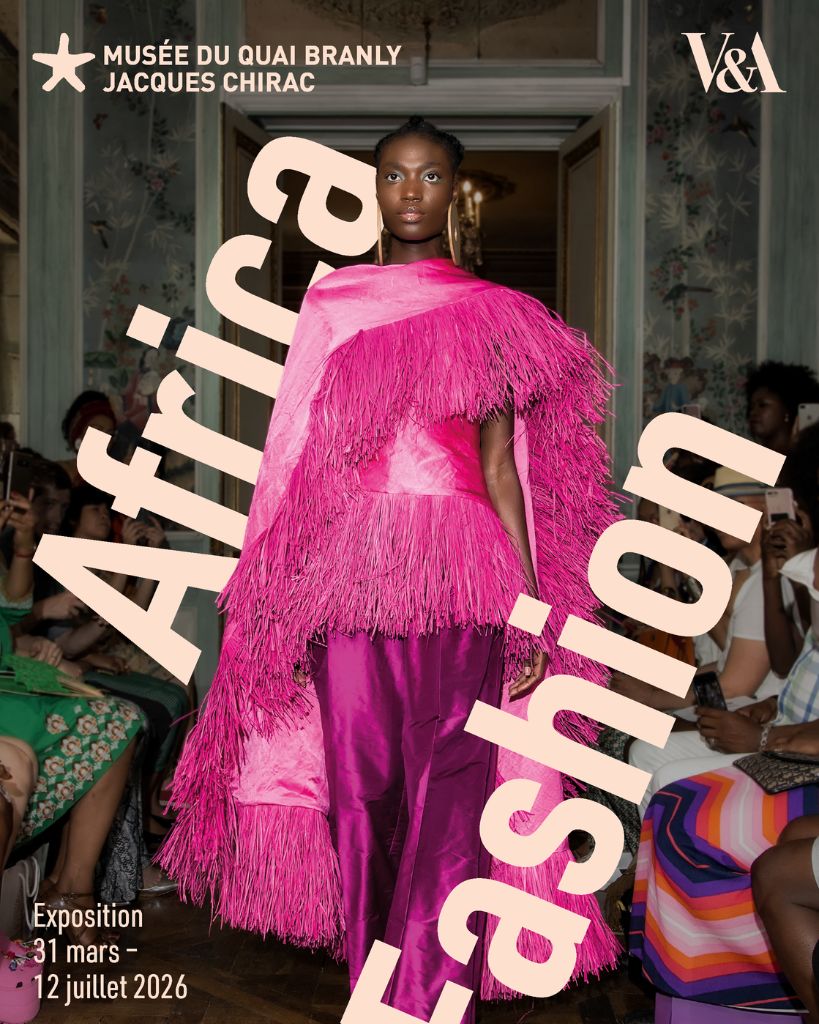
Dr. Christine Checinska: In the original version presented in London, there was a clear distinction between the two historical periods because the exhibition spanned two floors. However, the very first work on display was Imane Ayissi’s pink couture ensemble. Since the original space was circular, Imane’s piece also served as a bridge between the two floors and the two eras, as her practice does precisely that: it transcends eras and fashion systems.
In the contemporary section, designers such as Patience Torlowei and Mai Atafo—whose work also straddles both periods—offered us a retrospective look at the 20th century. In fact, many designers from the younger generation cite Patience, Mai, and Imane as essential pioneers.
Studio photography (particularly the works of Sanlé Sory and Malick Sidibé) plays a central role in your exhibition design. In what ways is photography inseparable from the history and narrative of African fashion?
Dr. Christine Checinska: The exhibition focuses as much on self-representation as it does onself-fashioning. The inclusion of photography and film by African creators was therefore essential. Photography and film are also tools through which we are rewriting our presence within the histories of global fashion.
You write extensively about the narrative dimension of African textiles. In the case of fabrics such as Aso Oke, Kente, and Bogolan, how do these textiles manage to preserve and convey a historical and political memory that written records have sometimes silenced?
Dr. Christine Checinska: The writer and cultural critic Sarat Maharaj once asked, “Textile art—who are you? ” suggesting that we might understand textiles through the chameleon-like figure of “the undecidable”: something that, at first glance, belongs to a specific genre, but which, upon closer inspection, seems to stretch and distort that genre to the point of making it lose its shape*.
The subject of fabric is vast and rich. It encompasses a variety of techniques, a myriad of cultural meanings, and the embodiment of countless stories. Together, fabric and fashion do much more than simply cover the body: they become strategic means of self-expression, particularly when an individual’s voice has been silenced or marginalized. Both can be used to challenge or reaffirm one’s place in society.
However, fashion is also part of the way in which the unequal distribution of power in all societies is constructed, maintained, and perceived as legitimate. These are widely accepted truths regarding these broader functions, whether in cultures of the Global North or the Global South.
However, it is easy to fall into the trap of thinking that all African fashions and ways of dressing are systematically deliberate acts of creative expression, or that all African fashions carry hidden political meanings related to issues of race. This is not the case. Some designers simply want to create beautiful clothes.
Nevertheless, certain textile traditions—such as commemorative fabrics—immediately come to mind, where specific historical moments are literally immortalized and printed on the fabric, chronicling history and expressing political allegiances. The Ghanaian fabric *Freedom in My Hand I Bring*, featured in the exhibition and included in the book *Africa Fashion*, is a perfect example of this.
Today, the global fashion industry is desperately seeking solutions for sustainability and eco-design. Do you agree with some researchers that traditional African textile techniques are inherently circular and slow—long before the West even theorized the concept of “sustainable fashion”?
Dr. Christine Checinska: I completely agree with this statement. The third section of the *Africa Fashion* publication , titled “Afro Fashion Futures, ” explores this observation in detail.
Drawing on the broader definitions of what it means to “be African” outlined in the book’s introduction, Afro-Fashion Futures are future fashion systems fueled by the preservation of African roots, which in turn nourish our relationship with ourselves, the collective, and the environment. The sustainable nature of vernacular and indigenous fashions is still too often overlooked by the Global North.
By drawing on the blend of technology and elements of Black history characteristic of Afrofuturism to envision a future in which Black communities thrive, Afro-Fashion Futures brings together traditional local knowledge and new “glocal” technologies to envision a future where we—in the sense of an expanded “we”—and the planet can all thrive.
The exhibition has stirred up immense emotion among communities of African descent around the world. Was there a particular story or encounter with a visitor that left a lasting impression on you during this world tour?
Dr. Christine Checinska: Two moments immediately come to mind. I was lucky enough to receive a digital copy of the guestbook during our stop at the McCord Museum in Montreal. On one entire page, you can read this simple phrase: “Africa to the world!” The other memorable moment dates back to the first edition in London. One of our security guards, Stanley, told me he had called his family in Nigeria from inside the exhibition to tell them, “We’re at the V&A!”
But I also want to share the reaction of model Adhel Bol, the face of Africa Fashion’s contemporary exhibition models. Here’s what she wrote after visiting the exhibition in London for the first time:
“I had never seen a brown or Black mannequin in a store window in my entire life, let alone one sporting African hairstyles—braids, Bantu braids—and our African features so beautifully highlighted: full lips, high cheekbones, and a broad nose…. To see myself come to life in this way, I hope it can inspire a Black boy or girl or two to feel represented and included in the conversation—whether in a room, on the international fashion scene, or in any other area of life. ”
— Adhel Bol, November 2022
Do you think this major exhibition has succeeded in changing the perception of buyers and major Western luxury retailers regarding the commercial (and not just artistic) value of African designer brands?

Dr. Christine Checinska – Kayvan Michael Bazergan
Dr. Christine Checinska: I think so. A section dedicated to African fashion is set to open soon at Harrods in London. Designer brands such as Maison ArtC are now showing their collections during London Fashion Week. IAMISIGO presents its collections at Copenhagen Fashion Week.
These initiatives expose the Global North to the splendor of African fashion. Designers are not seeking the West’s approval; on the contrary, this visibility shifts perspectives, challenges stereotypes, and offers real opportunities for economic growth and expansion.
The commercial value of African brands is now fully recognized. This development has been a long time coming.
What message would you like to share with young researchers, art historians, or curators from Africa and the diaspora who are currently seeking to document and archive the history of fashion in their respective countries?
Dr. Christine Checinska: Talk directly to the creators themselves; be the channel for what they want to express. Build trusting relationships with them. Encourage them to archive their own work as they go along.
Do your research. All of my work is grounded in academic research. I believe this lends the work of historians and curators the legitimacy and rigor that are essential to their endeavors. We owe this level of attention to historical details—coupled with an in-depth knowledge of materials and a mastery of theory—to all those we seek to represent in exhibitions, books, magazines, and so on.
If you had to choose just one piece, just one garment from this entire exhibition that, in your view, symbolizes the future of African fashion, what would it be and why?
Dr. Christine Checinska: Choosing just one piece of clothing is a really tough task! Instead, I’d like to choose the film commissioned by Lakin Ogunbanwo, titled *Who Deh Shake?*, because it captures that sense of creative abundance found across the entire continent. I find this work deeply optimistic. It offers a vision of the future that is already taking shape.
I would gladly add to this the reflections of designer Amine Bendriouich, which conclude the book’s third section. It is a very personal piece, but through it, Amine invites us to trust in the continent’s capacity for renewal. Despite all the obstacles that may hinder the development of a sustainable fashion system on the continent, there is an unshakable faith in what is possible.
*Maharaj, Sarat, “Textile Art – Who Are You?” in *Reinventing Textiles, Volume 2: Gender and Identity*, ed. Janis Jefferies, 2001, pp. 7–10
Read also