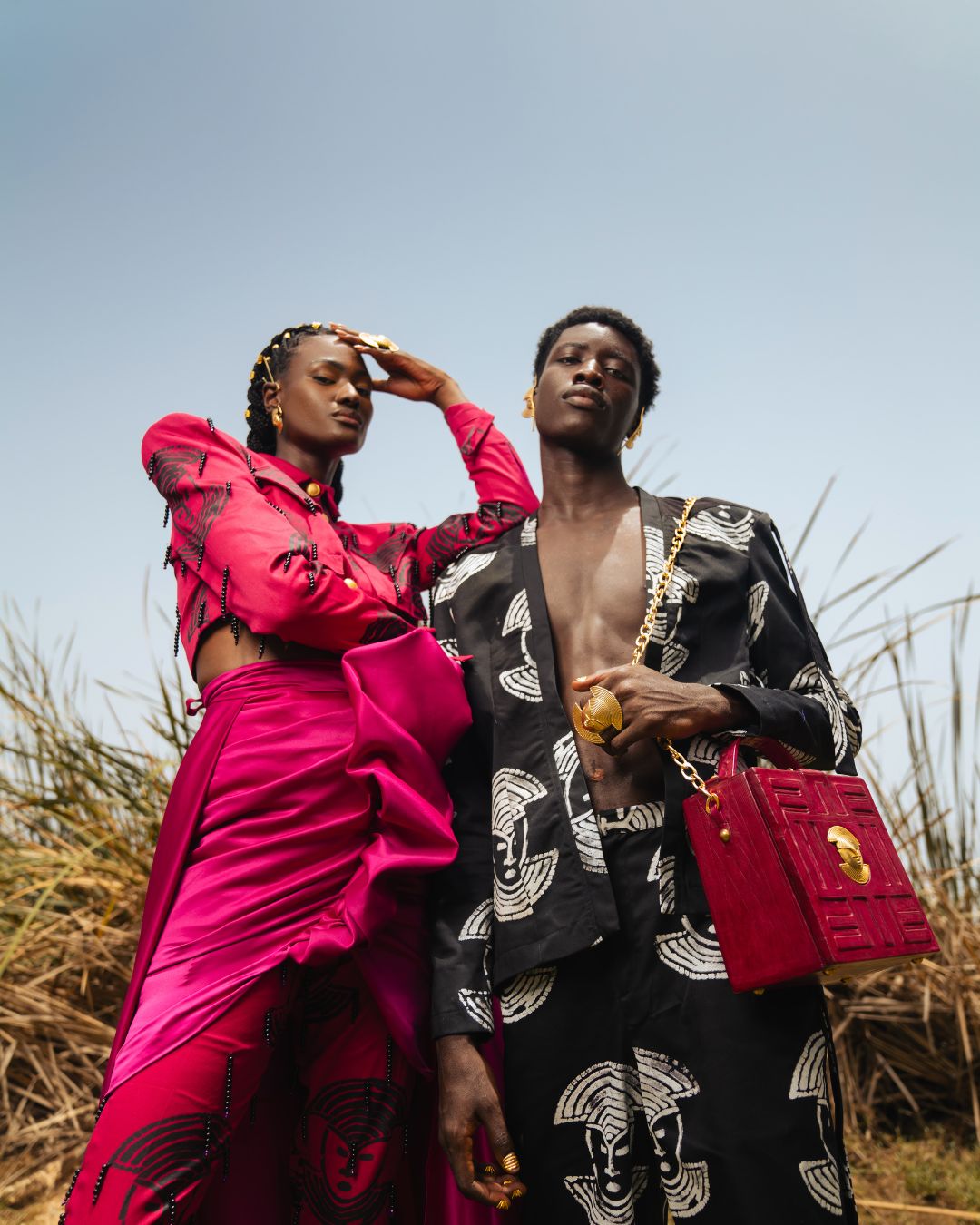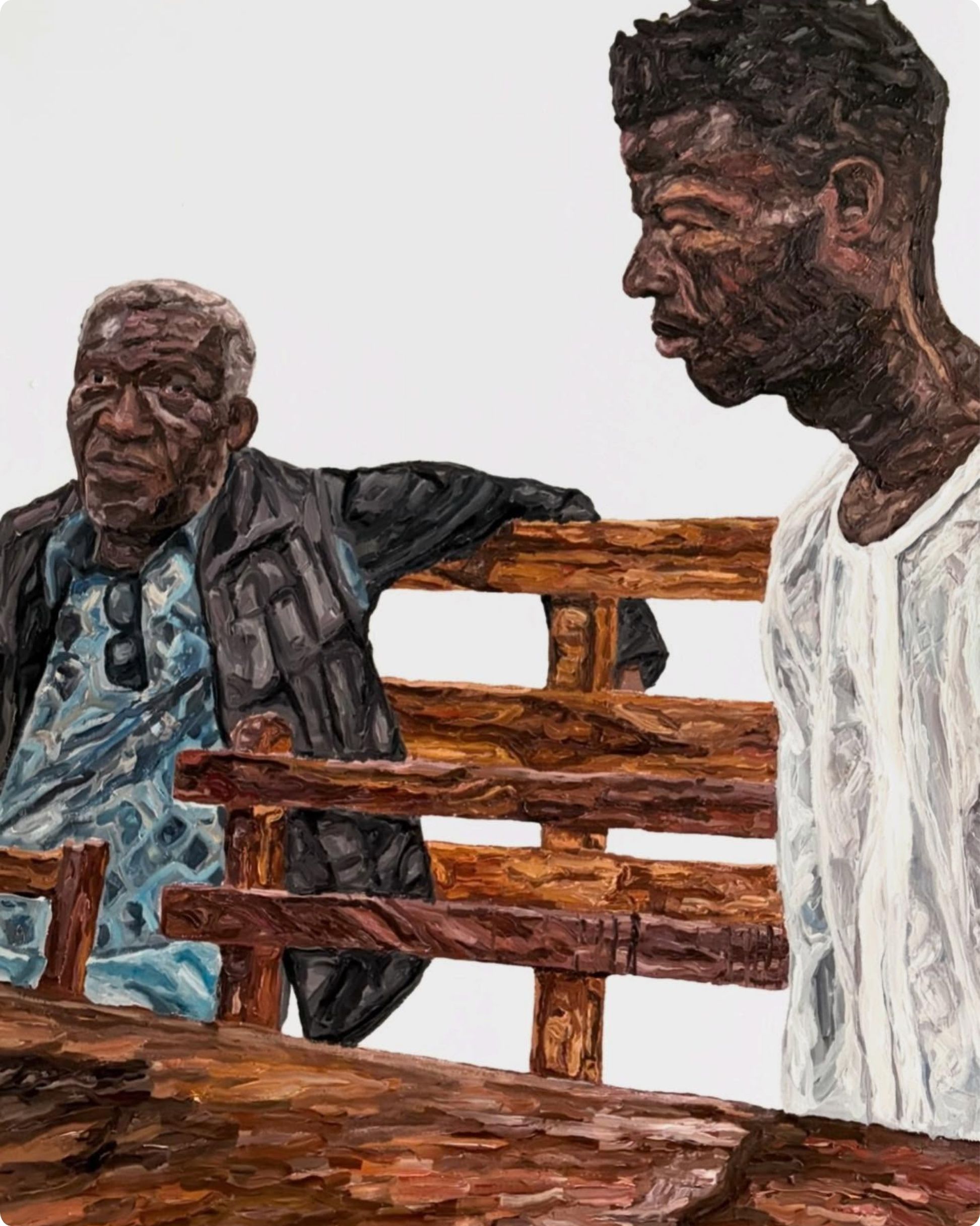
It’s impossible to ignore the growing impact of Art Basel & UBS annual report on the global art market. With each new edition, collectors, gallerists, artists and art dealers carefully scrutinize the figures, analyses and major trends. art market trends that emerge. The expected publication of 2026 report promises to shake things up once again, providing a valuable roadmap for all those involved in this rapidly evolving artistic ecosystem. Africa Fashion Tour, a key medium for African lifestyle, is observing this document with a curious eye, as it also shapes the perspectives of African designers, from emerging designers to contemporary luxury players.
Behind this report lies much more than a simple statistical study of the art sales or the market growth market growth: it is the benchmark barometer that influences gallery strategies, the programming of international art fairs and even the recognition of dynamic segments, such as African fashion. Diving into the 2026 version of the report means taking the pulse of a sector in the throes of change, where diversity, innovation and lifestyle come together.
Why has the Art Basel & UBS annual report become a must-read?
Year after year, the report’s audience continues to grow. It brings together the essential data on world art marketreveals the major market trendsanalyzes market performance and offers a wealth of information for anticipating future developments. Over the pages, the evolution of art salesthe power of auction houses or the rise of certain segments of the segments of the art market are rigorously dissected.
For many, this benchmark acts as a revealing mirror: not only does it allow us to grasp the global dynamic, but also to compare the positioning of each region or category of designer. And, increasingly, it responds to hybrid trades between art, fashion and lifestyle, illustrating the growing interconnection between these universes.
A mine of ideas for African professionals?
The strong market growth observed on the continent in recent years is forcing us to rethink traditional boundaries. This world report provides an unprecedented understanding of how Africa fits into this teeming universe, and how its galleries, designers and influencers reposition their offerings in the face of international competition.
In the Africa Fashion Tour universe, for example, the trends deciphered by the annual report often guide the selection of talent, events and even the editorial tone of the media. It’s impossible to develop a relevant strategy without visibility into the reality of global flows and the agendas of the major players. international art fairs !
Key market indicators: what to watch out for?
The report details, with figures to back it up, the major investment movements, which segments of collectors control demand and how galleries and art dealers adapt. The figures for direct salesand the emergence of secondary markets often serve as a compass for new entrants, including from sub-Saharan Africa.
These precise indicators make it easier to understand regional performance and reveal the growing importance of contemporary contemporary creation from so-called “emerging” countries. This makes it difficult to devise a strategy for a presence on the international market without being inspired by these figures.
How does the 2026 report shed light on the place of African designers?
If you follow each edition of the report closely, you will notice a marked increase in the number of African artists on the world stage. The pan-African segment is gaining in visibility at major international art fairsconfirming the vitality of style and innovation from the continent. The 2026 edition could accelerate this recognition by incorporating in greater detail the outstanding achievements of african designers and fashion creators.
Africa Fashion Tour uses it as a lever to feed its own editorial content on the Afro-chic trend, the urban lifestyle inspired by Lagos or Johannesburg and the connectivity between visual art and haute couture. The data gathered also sheds light on specific challenges, such as market structuring or easier access to digital exhibition platforms.
Art market trends: focus on the African dimension
One of the major advances of the last decade has been the integration of African African signatures on the world stage. From galleries based in Accra or Cape Town are building powerful international networks. At the same time, the proliferation of hybrid fairs combining art, design and urban culture, amplifies the voice of the continent’s creators.
According to the experts sales of art from Africa should maintain their favorable momentum. The interest shown by young foreign collectors in the diversity of local styles and narratives has created an environment that is conducive to the growth of the art market. sustainable growth. The ecosystem also benefits from influential figures from the world of fashion, who today play a driving role for the entire creative sector.
Partnerships, influencers and lifestyle storytelling
Collaborations between designers, auction houses and Western cultural institutions. This interaction not only boosts market performancebut also helps to promote the unique know-how of the African continent. We also note that influencersas ambassadors of the new African lifestyle, have a ripple effect on buying habits.
By following the 2026 Report, you’ll also benefit from targeted analyses on the digitalization of sales or promotion via social networks, two essential levers for conquering new markets. Africa Fashion Tour regularly relays original initiatives and success stories, to inspire an ambitious young generation.
What changes is digitalization bringing to the market?
The digital revolution has overturned the traditional codes of the global art market. Gone are the days when only physical galleries dictated the tempo: the explosion of digital digital auction and and direct sales now opens new doors. For African creatorsThis is an exceptional opportunity to reach a global audience.
Visit 2026 report gives pride of place to cultural e-commerce, the soaring popularity of artistic NFTsThese factors are helping to change the criteria for success in the marketplace. These factors are helping to change the criteria for success on the market. segment of the art marketwhile fostering the emergence of communities committed to a specific aesthetic.
Hybrid carrier models
The cross-sellingwhich combine plastic works, serial garments signed by artists and designer accessories, are enjoying a boom. This broadens the profile of collectors. This dynamic is of particular benefit to African designers adept at interdisciplinary collaborations, combining painting, photography and high-end textiles.
Examples of virtual event sales are not lacking. Through live sessions or immersive showrooms, several galleries and auction houses captivate an international clientele hungry for novelty and creative heroes from Africa.
What impact does this have on the selection and presentation of works?
Faced with an ever-increasing number of digital contact points artists and designers are rethinking their narratives: visual storytelling is becoming central to capturing the attention of nomadic buyers. International art fairs are also testing out new interactive formats, while platforms dedicated to the African fashion focus on virality and stylistic reinvention.
The ability to tell a strong story, rooted in a singular aesthetic, has a direct influence on the market performance and on the reputation of agents of change. For Africa Fashion Tour, relaying these experiences is tantamount to defending an inclusive and cosmopolitan vision of fashion. African lifestyle of tomorrow.
Panorama of the new drivers of the global art market
To better embrace the richness of the sector, the annual report lists a variety of players whose influence extends beyond the purely artistic sphere. Among them are investors, fashion designersspecialized media and web stars, each having their say in shaping the major trends in the art market.
On the African scene, this hybridization of profiles is creating a new effervescence. The boundary between art galleryconcept store and influencer’s studio becomes porous, supporting a constantly renewed and daring offer.
Each point raised in the report opens up new avenues to explore for those wishing to combine modernity, creativity and commercial ambition. Whether it’s a question of taking advantage of art market trends or investing in training for creative entrepreneurship, opportunities abound when you dare to leave the beaten track.
The meteoric rise of African African fashion is also explained by this openness, as well as by an assertive desire to anchor local craft and textile practices in a globalized narrative. Between social networksvirtual exhibitions and alliances with Parisian houses, a new map of the art world is taking shape, largely influenced by the energy of the continent.
@Nobel Koty
Read also