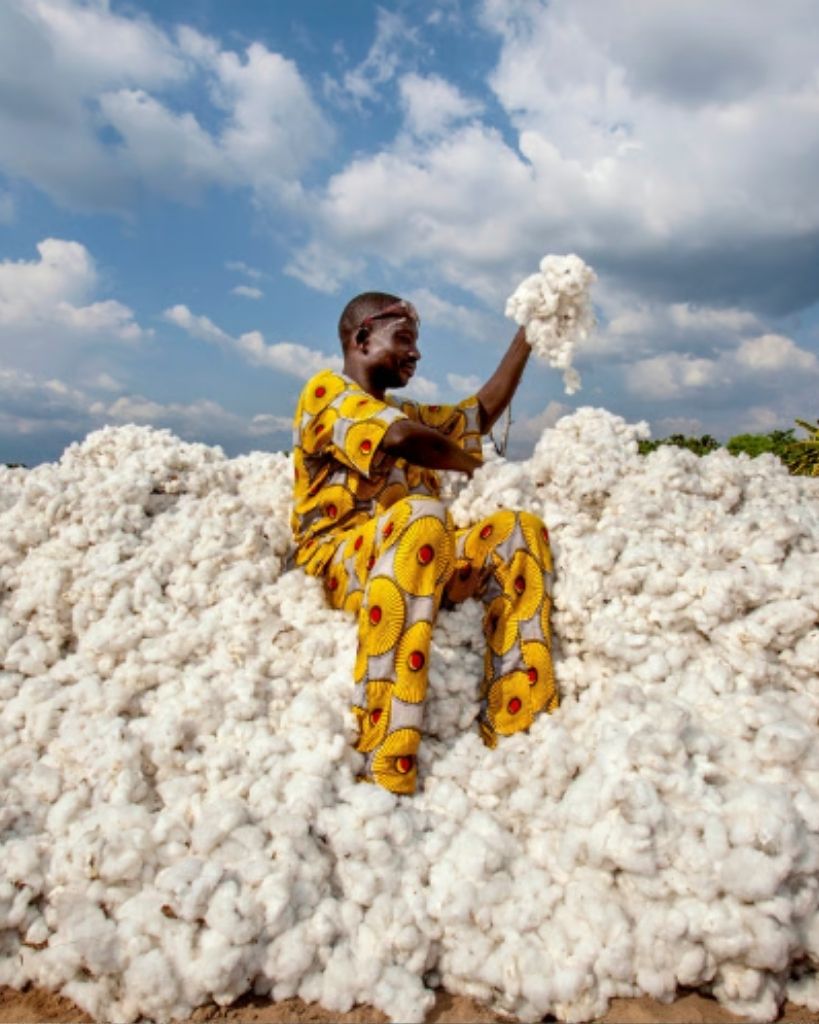
Transforming the sector to stimulate industrialization
For decades, cotton is central to African agriculture. Yet the majority of cotton fiber regularly leaves the continent without benefiting from any real industrial industrial processing on the spot. And yet Africa has exceptional potential to revolutionize the global textile. To achieve true industrializationHowever, there are still several steps to be taken. Africa Fashion Toura media committed to promoting African fashion, luxury and lifestyle, is taking a close look at the new challenges and opportunities that could shake up this dynamic industry.
Why invest in industrial cotton processing?
For farmers farmerscreators and entrepreneurs, it is becoming urgent to rethink the entire cotton value chain. Today, the continent still ships most of its production in raw form, limiting the creation of new jobs.local jobs and depriving theAfrican textile industry of an existing resource. Strengthen industrial transformation represents a crucial lever for opening up new economic prospects, both locally and internationally.
Processing cotton directly on the continent generates numerous advantages: boosting economic growth, developing technical know-how, reducing the costs associated withimporting and international influence of African creations. The rise of workshops capable of moving from spinning to weaving and then to the clothing strengthens the entire textile industry and boost African competitiveness.
What are the main obstacles to textile industrialization in Africa?
If the idea of processing cotton locally cotton is becoming increasingly popular, it still faces major obstacles. Many African countries lack industrial infrastructures which makes it difficult to structure a real textile industry. textile industry local. The energy deficit, lack of investment and shortage of skilled labor are slowing down the growth of the textile value chain.
Difficulties also exist in accessing certain Western markets dominated by large international brands. The strict standards of labelingThe lack of traceability and intense competition are additional barriers. Despite these constraints, initiatives are gradually emerging to further integrate the sector into the regional and global economy, paving the way for a new era for the African textile development.
Initiatives and innovations in the textile value chain
Faced with these challenges, African ingenuity is deploying innovative approaches. Many players are now focusing on transformation “from field to factory”, thus emphasizing the importance of the “green revolution”. authenticity and creativity of the continent. This strategy aims to reorient value chain to Africa and foster the emergence of a strong, independent industry.
From public agencies and pan-African organizations are multiplying incentive policies to support the industrial industrial transformation of cotton. This includes modernization of spinning and dyeing workshops, financial support for start-ups in the sector, the creation of partnerships between governments and local craftsmen, and professional training to develop a skilled workforce.
This dynamic is instilling a new entrepreneurial spirit in theAfrican textile industrycombining technical innovation with the enhancement of local cultural heritage at every stage of production.
Another essential driving force comes from designersdesigners, stylists and influencers, supported by Africa Fashion Tour. Thanks to their talent and visibility, they are repositioning Africa as a land of innovation for clothing and fashion.apparel. By transforming traditional fabrics and local raw materials into contemporary pieces, they contribute to increasing theexport of high value-added finished products and raise the profile of “made in Africa” on the international stage.
Fashion shows, masterclasses and digital campaigns all contribute to promoting a singular identity. Their commitment to a sustainable development attracts an international clientele in search of transparency, authenticity and responsibility. Visit African textiles is gradually asserting its stylistic richness against the giants of globalized ready-to-wear.
What role can sustainable development play in the evolution of the African textile sector?
The very notion ofindustrialization is redefining itself thanks to the rise of responsible practices. Faced with the ecological challenges of fast fashion, Africa has solid assets to build a sustainable textile industry. More and more players are banking on the organic cottonand sustainability at every link in the value chain. value chain.
This strategic choice opens the door to new markets where ethics guide purchasing decisions. Natural dyes, energy-saving processes and the manufacture of local accessories all reduce the environmental impact of our products. carbon footprint of the industry, while meeting the expectations of customers who are concerned about responsible consumption. These initiatives reinforce the legitimacy of the African textiles on the international scene.
Outlook and future challenges for textile processing in Africa
The future of the sector will largely depend on the ability to unite all players around a shared vision ofindustrialization. Accelerating industrial cotton processing is a major challenge, but the public-private synergy we’ve built up suggests that we’re on the right track. With a dynamic domestic market, a youthful population inspired by fashion trends and a wealth of talent, Africa now holds the key to becoming a key reference in the fashion industry. contemporary clothing.
Africa Fashion Tour will continue to keep a close eye on major innovations and changes in this exciting sector. Beyond economic profitability, promoting the African textiles also aims to provide a platform for promoting creation, diversity and cultural identity across the continent. A new breath of fresh air is in the offing for African fashion, driven by a bold, forward-looking generation.
Read also