
When passports become bridges to roots
The West African tourism landscape is undergoing a historic transformation. What was once a leisure trip has become a complex architecture of “roots tourism”. Ghana, Benin and Guinea are now pursuing an unprecedented soft power strategy to reconnect African-Americans with their ancestral heritage.
Ghana, pioneer of the “Return Economy
It all began in 2019 with the “Year of Return” initiative. By commemorating the 400th anniversary of the arrival of the first African captives in Virginia, Ghana turned historical trauma into a spiritual journey. It was a resounding success, with tourism’s contribution to GDP rising from 3% to over 10% in just a few years.
Celebrities such as Steve Harvey, Ludacris and Idris Elba have become the faces of this renaissance. Their emotional testimonies from the forts of Elmina or Cape Coast created a narrative shock, prompting thousands to take the plunge. In 2024, Ghana went one step further by granting citizenship to over 500 members of the diaspora, proving that the country is not just looking for visitors, but citizens.
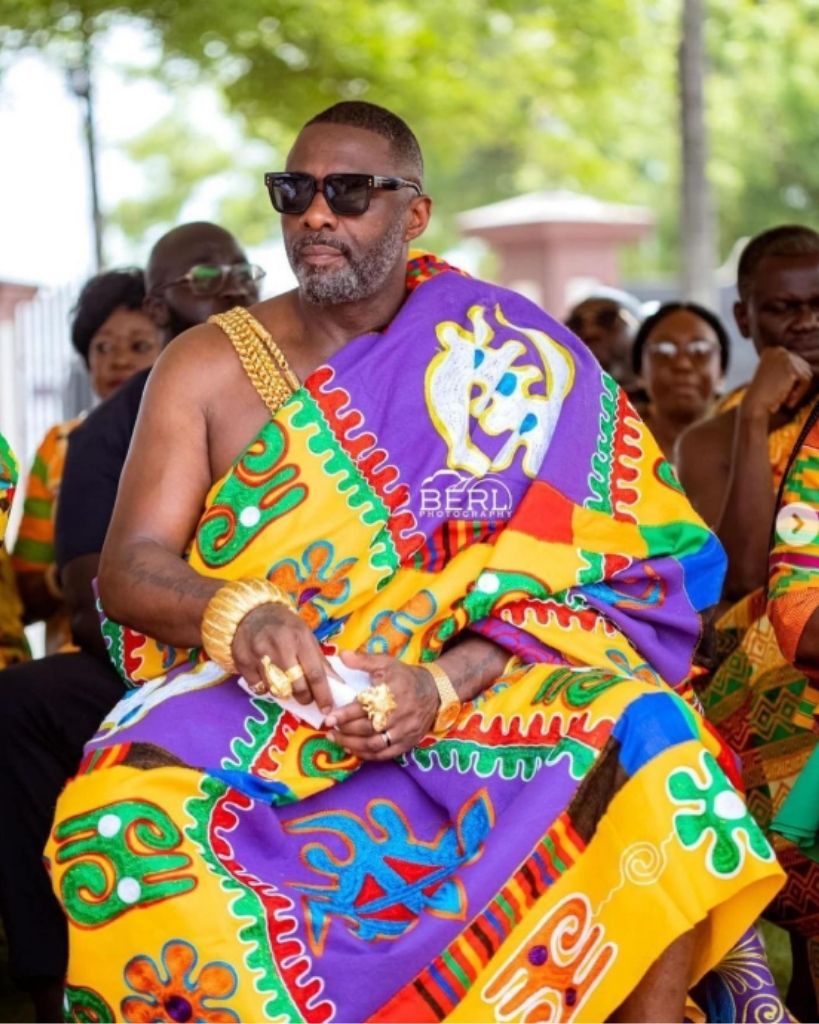
Benin, legislative innovation and digitalization
Under the leadership of Patrice Talon, Benin has chosen a more structural and legal path. With the 2024 law on the recognition of nationality, the country offers a Beninese passport to anyone of sub-Saharan African descent. Complex genetic evidence is no longer required: the “My Afro Origins” digital portal now facilitates these procedures remotely.
To convey this message, Benin has appointed high-profile ambassadors such as filmmaker Spike Lee and singer Ciara. By celebrating voodoo spirituality in Ouidah and investing in the future International Museum of Memory and Slavery, Benin is transforming its historic sites into places of reconciliation and modern pilgrimage.
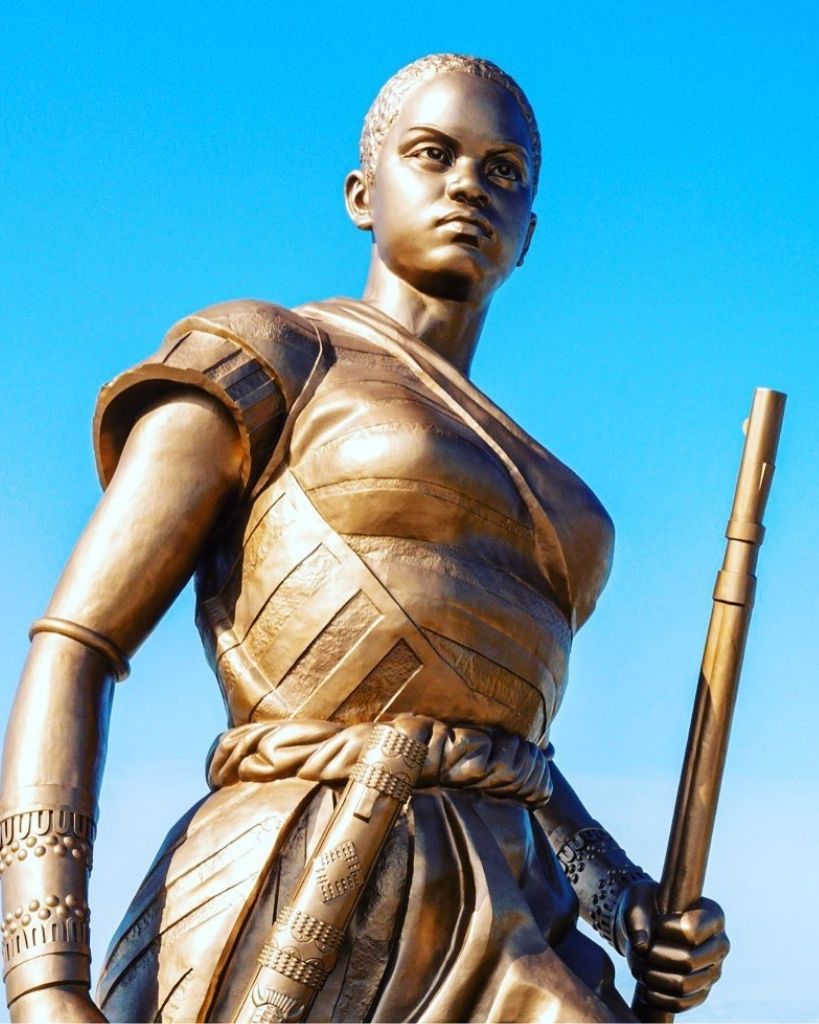
Guinea, DNA branding
More recently, it’s Guinea that has been making its mark. In January 2026, Hollywood couple Meagan Good and Jonathan Majors received Guinean citizenship after DNA tests confirmed their roots in the country. Named ambassadors of “Branding Guinea”, they project an image of dignity and sovereignty.
Beyond the symbolism, their mission is to act as strategic bridges to encourage diaspora investment and promote the destination. Their itinerary, including high-profile visits to Conakry’s Grand Mosque and historic sites, is part of the government’s drive to reposition Guinea as an essential crossroads for creative excellence and cultural pride in West Africa.
Africa “Unfiltered
Beyond movie stars, it’s content creators who are changing the game. The African tour of streamer IShowSpeed (48 million subscribers) offered raw, unedited visibility. Showcasing modern cities like Nairobi and Luanda, state-of-the-art infrastructure and creative youth, these influencers are deconstructing the “mud hut” stereotype ingrained in the Western imagination.
This direct, unmediated communication enables the diaspora to see Africa for what it is: a vibrant technological and cultural hub.
Regained sovereignty
These “identity tourism” strategies are much more than marketing campaigns. They are an act of mental decolonization. By facilitating the physical and legal return of the diaspora, these nations enable Africans to tell their own story.
Ancestrality, validated by science and supported by law, is becoming the new foundation of a return economy. Tomorrow’s challenge will be to transform this Hollywood-style visibility into inclusive development, benefiting local populations as much as their brothers and sisters from overseas.
Africa is no longer just a land of need, it’s a land of opportunity and reunion.
Read also