


The African scarf is a colorful piece of fabric worn on the head, around the neck, or tied as a turban. Both a fashion accessory and a symbol of pride, it accompanies African women in their daily lives as well as on special occasions.
This article explains its history, its significance, and how to tie it. To explore the continent’s entire fashion world, check out our Fashion section.
What Is an African Headscarf?
An African scarf is a square or rectangle of fabric, usually made of printed cotton. It is used to cover the hair, accessorize an outfit, or add color to an ensemble.
It can be identified by three characteristics:
- Bright colors and geometric prints
- An iconic fabric: African wax print
- A wide variety of ways to tie it
Lightweight fabrics are easy to tie. Stiffer fabrics hold their shape better when worn as a turban. Each scarf is one-of-a-kind. To learn more about these fabrics, read our guide to the materials used in African fashion.
History and Meaning of the African Scarf
The headscarf has played a central role in the lives of African women for generations. In West Africa, it once signified social status, age, or marital status.
Today, it has become a symbol of pride and identity. Wearing one affirms a connection to one’s roots and cultural heritage.
Colors carry meaning. Red often evokes strength or vitality, depending on the region. This symbolism aligns with that of other pieces in the African wardrobe, a topic explored in our article on the symbolic colors of African clothing.
How to Tie an African Scarf as a Turban
Here are the steps for making a simple turban:
- Place the large square of fabric at the back of your head.
- Bring both ends forward.
- Cross them over your forehead.
- Tie them into a secure knot.
- Tuck the knot and the ends under the turban.
With a little practice, this becomes second nature. For a dramatic look, wrap the ends high up. For a more relaxed look, let them hang down.
Ways to Wear an African Scarf
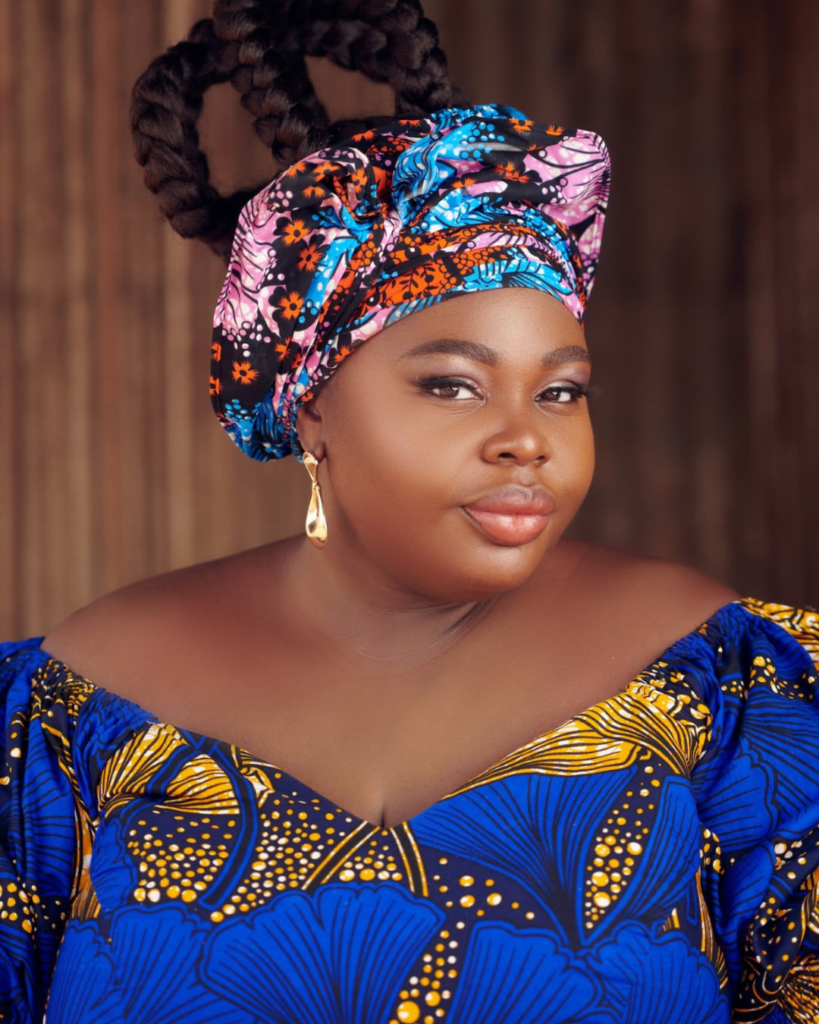
There are many ways to wear a scarf. Every woman creates her own style based on the size of the scarf and the fullness of the knot.
Its main uses:
- As a turban, to cover or enhance your hair
- As a thin headband, to frame the face
- Worn around the neck, like a light scarf
- Tied around the wrist or on a bag, as a subtle accent
When paired with a wax dress, it creates a beautiful harmony of colors. For more hairstyle ideas, check out our article on African hairstyles, and for complete outfits, see our section on African women’s fashion.
How to Choose an African Scarf
Three criteria guide the choice of a good scarf.
First, the quality of the fabric. Authentic waxed cotton ensures colorfastness and makes it easy to tie.
Next is the size. A large square scarf is ideal for voluminous turbans. A long, narrow scarf works best as a headband or when tied around the neck.
Finally, the pattern. Tastes vary, from bold prints to subtle hues. A light-weight style remains the easiest for beginners to work with.
How to Care for Your African Scarf
A high-quality scarf will last for years if cared for properly. Wax fabric requires a few simple precautions:
- Wash in cold water, preferably by hand
- Use a mild soap without bleach
- Dry in the shade to preserve the colors
- Avoid the dryer, which causes the fabric to shrink
- Iron on the reverse side to refresh its appearance
These steps will help preserve the scarf’s vibrancy and beauty over time.
An African scarf for every occasion
A scarf is perfect for any occasion.
For everyday wear, a headband or a quick knot can dress up a casual outfit in seconds.
For special occasions, a high, structured turban, paired with a wax print dress, becomes the centerpiece of a festive outfit. Gold jewelry enhances the look.
When traveling, it serves multiple purposes: sun protection, a light scarf in the evening, or a neck scarf. This versatility explains its popularity.
Make Your Own African Scarf
You can make your own scarf from a scrap of wax print fabric. It’s easy to do and results in a one-of-a-kind piece.
The steps are easy:
- Choose a nice piece of high-quality fabric.
- Cut it to the desired size.
- Hem the edges to prevent fraying.
A large square works well for turbans. A long, narrow shape works well for headbands. This way, you can match the scarf to a dress you already own.
An accessory that transcends borders
Long reserved for the daily lives of African women, the scarf has gained popularity far beyond the continent. Many women today embrace it for its elegance and cultural richness.
Designers are constantly reinventing the scarf and turban in their collections. This accessory now inspires both high-end African fashion and emerging designers. To discover them, explore our section on African fashion designers.
African Scarf Patterns and Their Meanings
The patterns on African scarves aren’t just decorative. Many convey a message.
Here are a few common examples:
- Geometric patterns evoke order and balance.
- Symbols inspired by nature represent fertility or prosperity.
- Wax prints sometimes feature proverbs or popular sayings.
Choosing a pattern, then, also means choosing a message. This symbolic interpretation is part of what makes African scarves so rich.
Where to Find a High-Quality African Scarf
You can find a good African scarf through several channels.
- Markets and stores specializing in wax fabric
- African designers and ethical fashion brands
- Online stores dedicated to African fashion
The most important factor is the quality of the fabric. Authentic wax fabric guarantees long-lasting colors and a better drape. It’s better to choose a well-made scarf than a cheap one with faded colors.
Scarves, turbans, and headbands: What’s the difference?
These three terms refer to similar but distinct uses.
- A scarf is the piece of fabric itself—it’s versatile.
- A turban is a way of tying the scarf in a voluminous style on the head.
- A headband is a slim knot that frames the face.
The same African scarf can therefore be worn as a turban or a headband, depending on how it is tied.
The African scarf in today’s fashion
The African scarf is experiencing a strong resurgence in popularity. It’s appearing on runways, on the streets, and on social media.
There are several reasons for this success:
- An affordable accessory that transforms an outfit
- A strong cultural and identity-defining significance
- An endless variety of patterns and colors
- An item worn by both African women and those in the diaspora
This popularity confirms its status as a must-have accessory in contemporary African fashion.
Frequently Asked Questions About the African Scarf
What fabric should you choose for an African scarf? African wax print fabric remains the gold standard for its vibrant colors and durability. For a soft, flexible drape, choose a lightweight style.
How can you easily tie an African scarf into a turban? Place the fabric at the back of your head, bring the ends forward, cross them, then tie them and tuck the knot under the turban.
Can you wear an African scarf every day? Yes. Whether worn as a headband, around your neck, or on a bag, it adds a practical and elegant touch of color to any outfit.
What size African scarf should you choose? A large square scarf is ideal for voluminous turbans. A long, narrow scarf is best for a headband or for tying around the neck.
Is the African scarf reserved for women? No. While it is mostly worn by women, men also wear it around their necks or as a headband, in a more understated style.
The African scarf remains a symbol of elegance, pride, and simplicity. Easy to tie and style, it adds a unique touch to any outfit. To continue exploring this wardrobe, check out our articles in the Fashion section of Africa Fashion Tour, your go-to source for African fashion.


