Defending Nigerian textiles, culture and entrepreneurship
Born out of a desire to see Nigerian fashion reflect its own vibrant cultural identity, the
Wear Nigeria
movement has evolved from a simple fashion show to a comprehensive platform dedicated to the country’s textile heritage. Founded by designer
From Luzol to an artistic and cultural fusion
Austin Aimankhu’s journey began in 2002 with his fashion label, Luzol, specializing in corporate wear. However, in 2013, he observed a disconnect: Nigerian fashion events were often too Westernized and local fabrics largely ignored in favor of international materials. Sensing the need for change, Aimankhu launched Fashion Art Fusion in 2014.
This unique platform was designed to showcase Nigerian textiles by incorporating less-represented art forms, transforming the traditional catwalk into a lively celebration featuring slam, alternative music and folk dance. This fusion was Aimankhu’s way of breathing cultural life into the fashion medium.
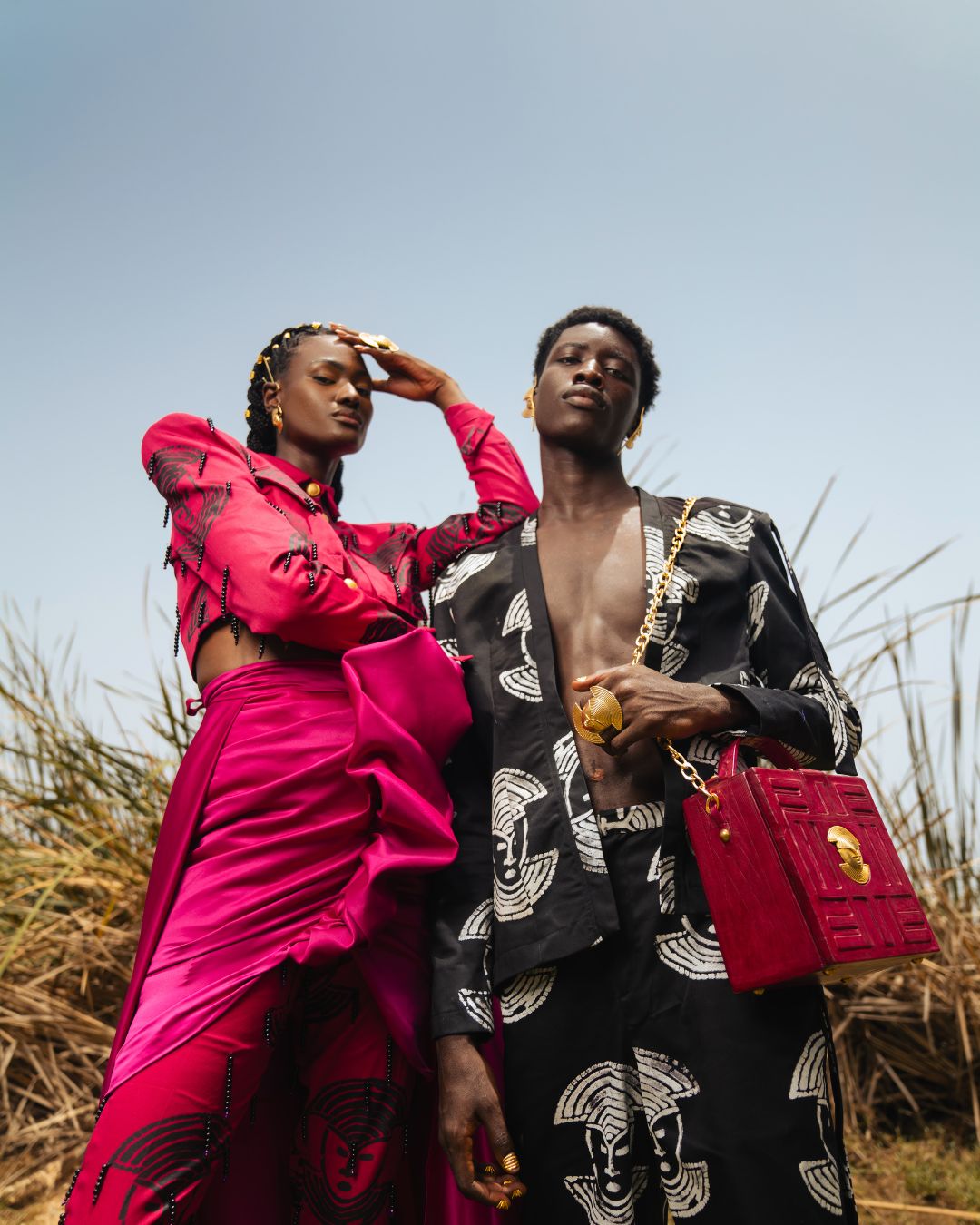
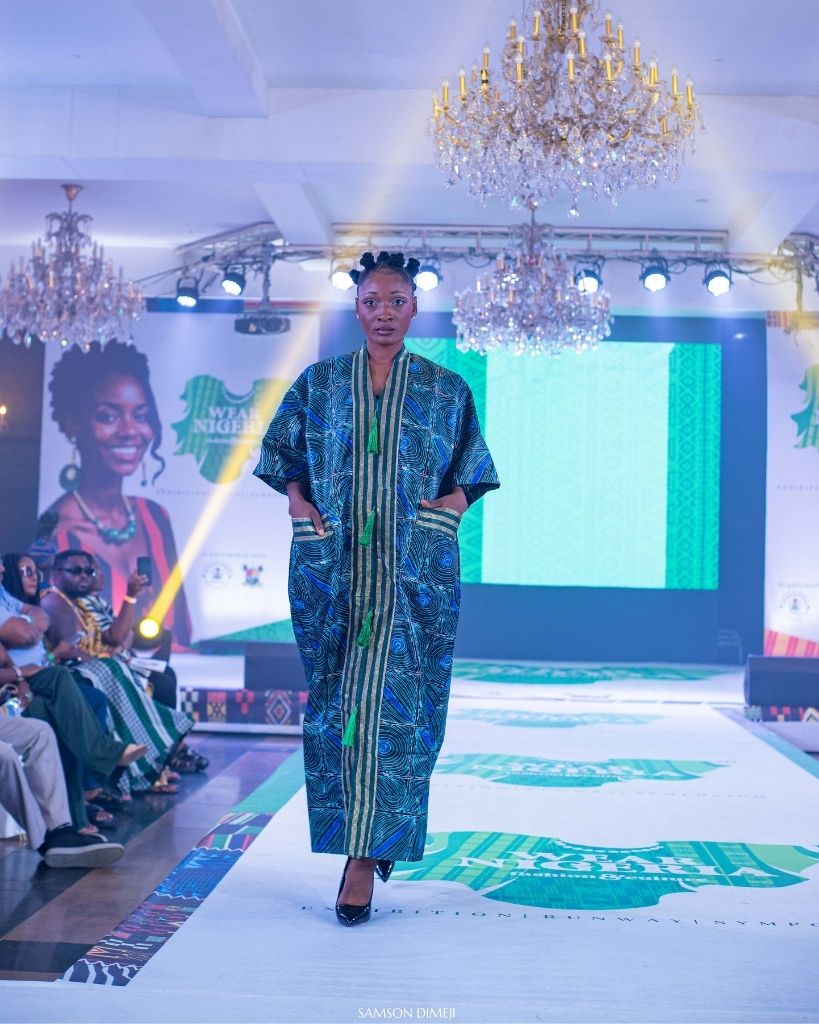
In 2016, this focus on cultural pride crystallized into the Wear Nigeria theme, which officially became its own multi-day festival in 2024. Today, the platform works in partnership with the Federal Ministry of Art, Culture and Creative Economy (FMACCE) and continues its mission to promote indigenous fabrics such asAkwete, Aso Oke, Adire and Benue textiles.
Developing talent and advocating policy change
Wear Nigeria is not just about the catwalk show; the initiative is deeply committed to addressing the systemic challenges facing the Nigerian fashion industry.
The festival has expanded to include crucial symposia and workshops that bring together designers, government representatives and industry players. These sessions focus on increasing local textile production, promoting technology adoption and building strong business structures to support creative entrepreneurs.
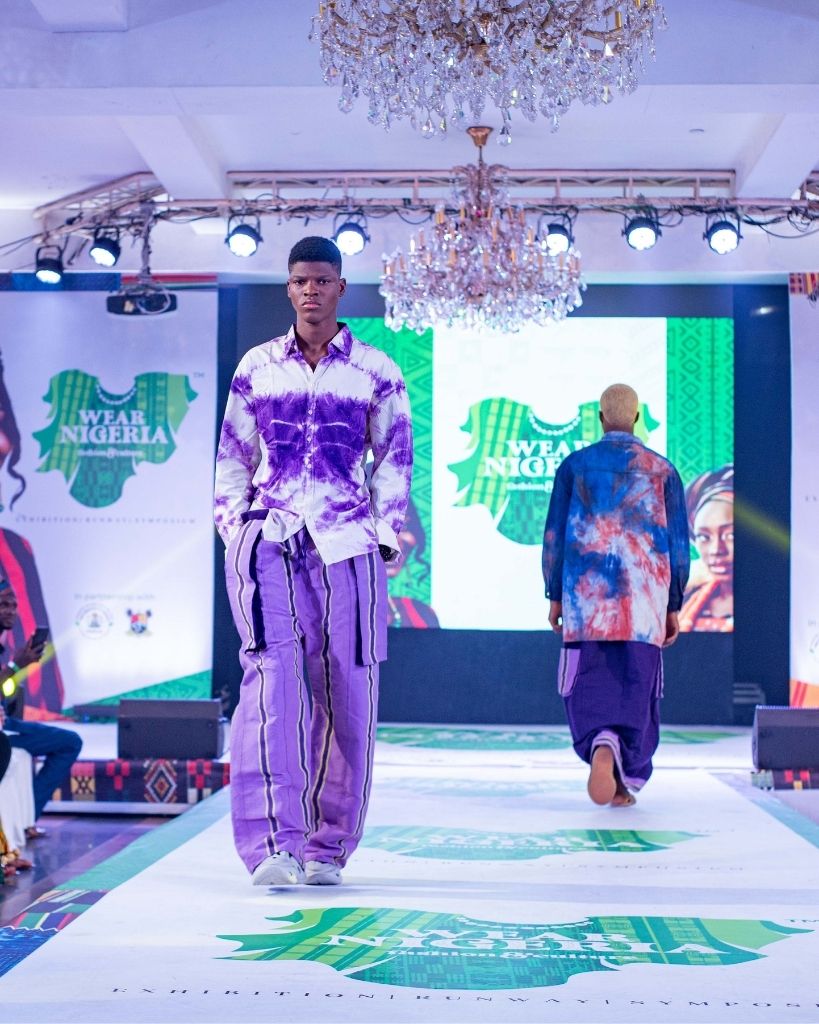
One of Aimankhu’s main priorities is to train the next generation of designers. The initiative offers valuable catwalk visibility to design students, particularly those from institutions such as Yabatech, giving them a platform alongside established professionals. The aim is clear: to help young talent build sustainable careers in an environment where fashion entrepreneurship structures remain fragile.
Aimankhu’s advocacy extends to urging the government to establish a national policy on Nigerian textiles. Such a policy is essential to address global competitiveness, the production of sustainable dyes and the critical training of producers. Without intervention, the tradition risks fading as aging craftsmen retire and younger generations seek alternative careers.
Demonstrate global relevance and impact
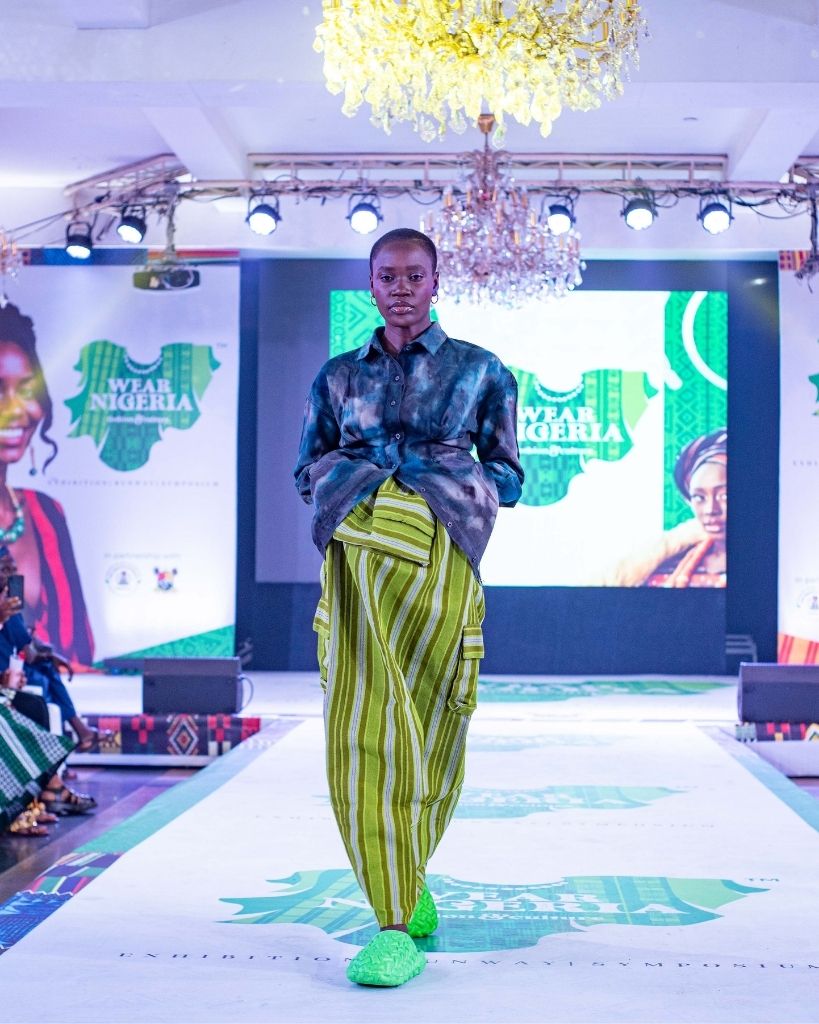
The movement’s influence is evident both in Nigeria and abroad. In 2024, the Wear Nigeria event, themed “Textiles as a tool for empowerment and sustainability”, was a resounding success, demonstrating massive public reach and engagement:
- Participation and reach: The event attracted over 5,000 participants and generated around 2.5 million+ impressions on social networks on platforms such as Instagram and TikTok, proving its strength as a major cultural moment in Nigeria.
- Cultural diplomacy: Wear Nigeria proudly represented the nation at the Salon International du Textile Africain (SITA) 2023 in Conakry, Guinea. Participating alongside 43 African countries, the show successfully showcased Nigeria’s diverse textile traditions, affirming the brand’s mission to use fashion as a tool for cultural diplomacy and to connect indigenous fabrics to a wider African and global audience.
By continually pushing the boundaries of the catwalk and advocating for meaningful systemic change, Wear Nigeria ensures that Nigerian fabrics, art and creativity take their rightful place at the center of the global fashion narrative. The movement’s ultimate wish, as expressed by Aimankhu, is to ” inspire consistency and entrepreneurship ” in entrepreneurs, ensuring that the movement thrives rooted in quality, empowerment and national pride.
The next edition of this event will be held from November 28 to 30 at the Alliance Française Mike Adenuga Center and the Federal Palace Hotel.