Ramata Diallo’s strategy
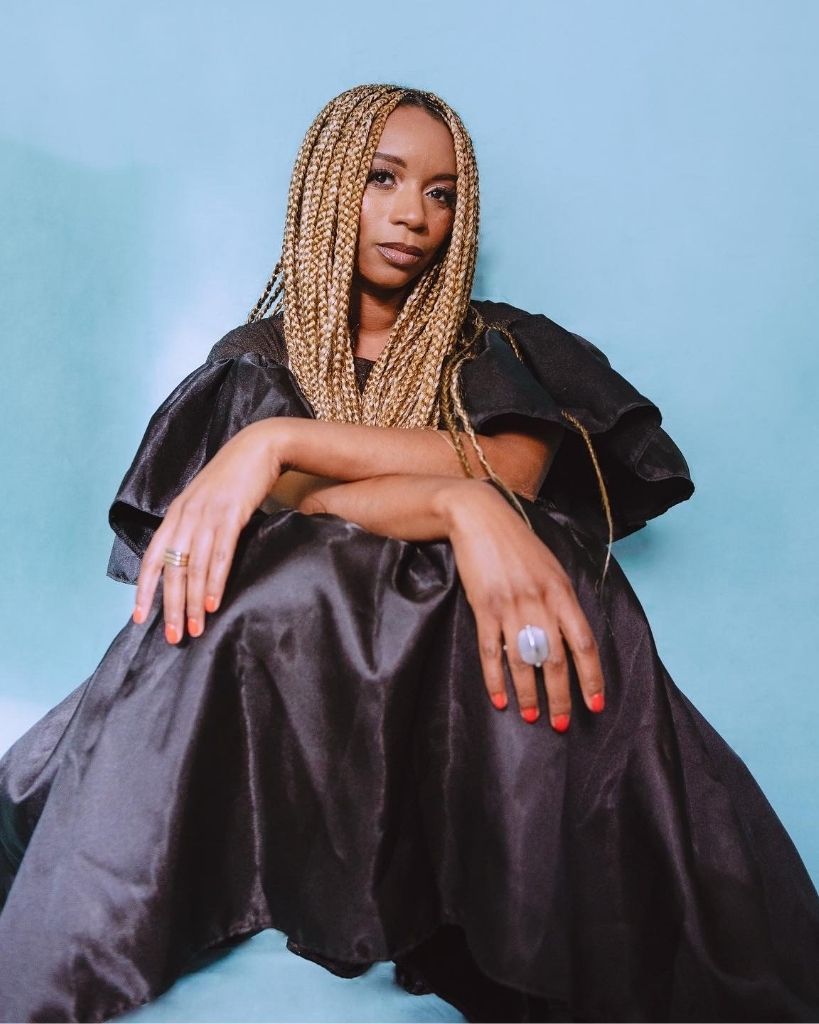
Ramata Diallo’s career path is a methodical ascent. Born in Paris, of Guinean origin, she has worked her way up through the ranks of the French textile industry, from the Kiabi store to managing mass-market collections for the Vivarté group (La Halle) and Jennifer. Today, as a consultant, teacher and media entrepreneur, she puts this dual culture – Western and African – to work for the brands of tomorrow.
The heritage of retail
Before advising designers, Ramata spent ten years managing industrial volumes. This experience taught her a crucial fact: fashion is a business of constant problem-solving.
“If you’re not comfortable with change and dealing with contingencies, you shouldn’t be in fashion. It’s never linear”
She points out that the success of the 80s and 90s, based on mass production, is a thing of the past. Today’s consumers are more demanding, arbitrating their spending and looking for a buying experience, like the model proposed by brands such as Cézanne.
[Image of a modern clothing workshop, combining craftsmanship and technology].
Christian Dior’s “Playbook
For Ramata, the ingredients of success haven’t changed since 1947. She uses the example of Christian Dior to define the five pillars of a strong brand:
- Credibility: having a recognized talent and expertise before taking the plunge.
- Financing: find the funds (like Dior with Marcel Boussac) to support the ambition.
- The network and influencers: rely on opinion leaders (press, celebrities) to create desirability.
- Internationalization: think global from the outset, so as not to depend on a single market.
- Diversification: rapidly integrate accessories and fragrances to consolidate brand image.
Deconstructing the myth of instant success
One of the highlights of the interview is the warning against the “naiveté” of social networks. Ramata reminds us that a brand cannot be launched with 2,000 euros.
- Financial reality: you need to budget for logistics, packaging, the e-commerce site and unforeseen events.
- Time: success doesn’t happen overnight. Behind successful crowdfunding campaigns often lie months of “Build in Public” and community preparation.
The Made in Africa revolution
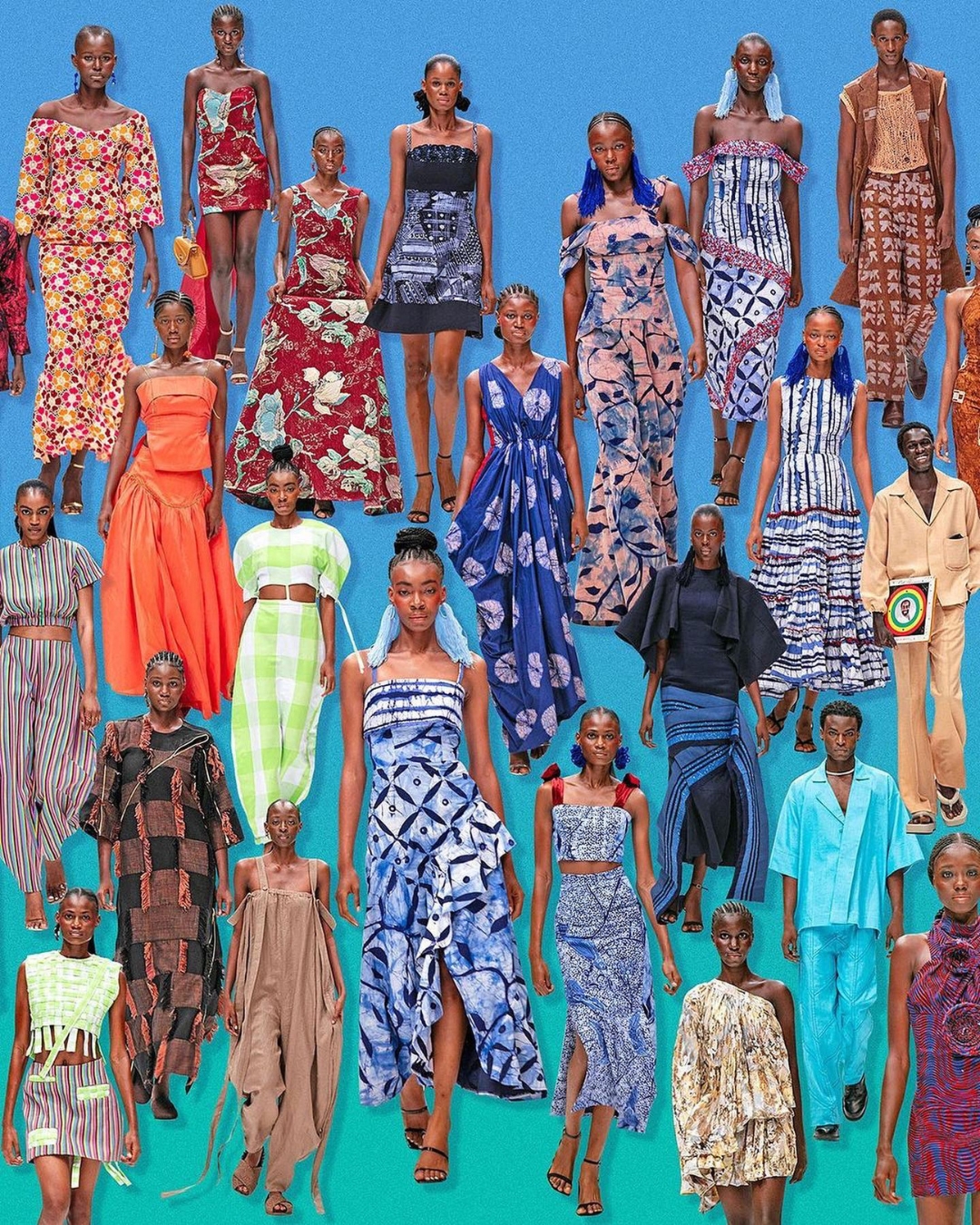
What drives Ramata today is proving that business performance and ethics can go hand in hand. She often cites the Tongoro brand from Dakar as a model of excellence.
“Made in Africa business models put the way we make fashion back into perspective. We cultivate scarcity, personalized service and intelligent resource management.”
On the continent, the relationship with the garment is different: we retouch, we adjust, we know our customers. It’s this quality and proximity, akin to traditional luxury, that should inspire international brands.
[Image of a contemporary African fashion design featuring local prints].
Community as the only real acquisition channel
Whether it’s TikTok for virality or Instagram for polished images, Ramata is adamant: the brand must create a direct link.
- Authenticity: consumers immediately detect insincerity.
- Co-construction: use private channels (DM, closed groups) to ask your customer base about future collection colors or shapes.
Expert advice
For Ramata Diallo, the ideal fashion entrepreneur needs to identify her “zone of genius” and delegate the rest, while remaining curious about each profession. Her ambition? To ensure that African success stories are no longer exceptions, but structuring examples for the global industry.
Read also