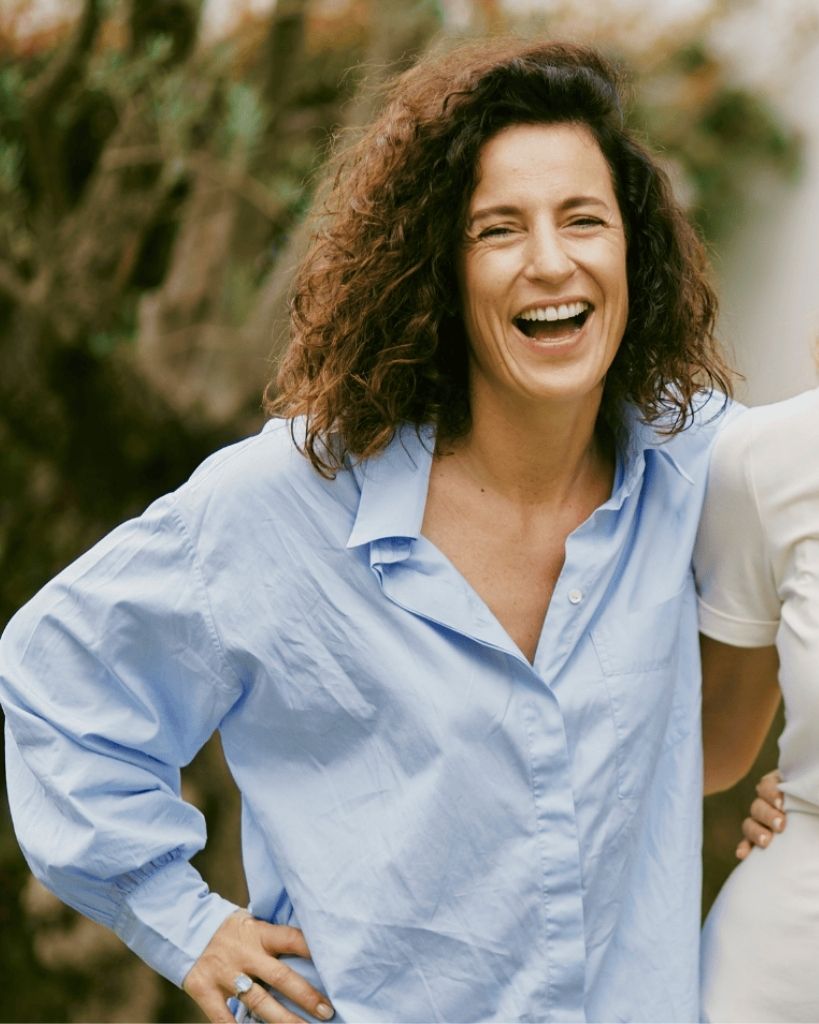
From the demands of Place Vendôme to the crochet workshops of Antananarivo, Mad House co-founder Laetitia Joly is redefining the contours of raffia accessories. Between ancestral craftsmanship, a modern business model and technological daring, meet an entrepreneur who takes Madagascar far beyond the clichés.
The eye of luxury, the heart of Madagascar
Nothing predestined Laetitia Joly, a former member of the prestigious Van Cleef & Arpels fashion house, to become the ambassador of Madagascan raffia. And yet, after ten years in luxury marketing between Paris and Hong Kong, it was on the “Big Island” that something clicked.
Expatriated to Madagascar, she discovered an infinitely rich raw material and a manual skill handed down from generation to generation: crochet. But she also saw a missed opportunity: “I saw European brands developing their bags here without necessarily promoting the history of the place or the DNA of Madagascar,” she confides to Ramata Diallo. With her two partners, Jessica and Diane, she decided to create Mad House, a name that pays homage to Madagascar) and a promise of creative audacity.
The challenge of desirability
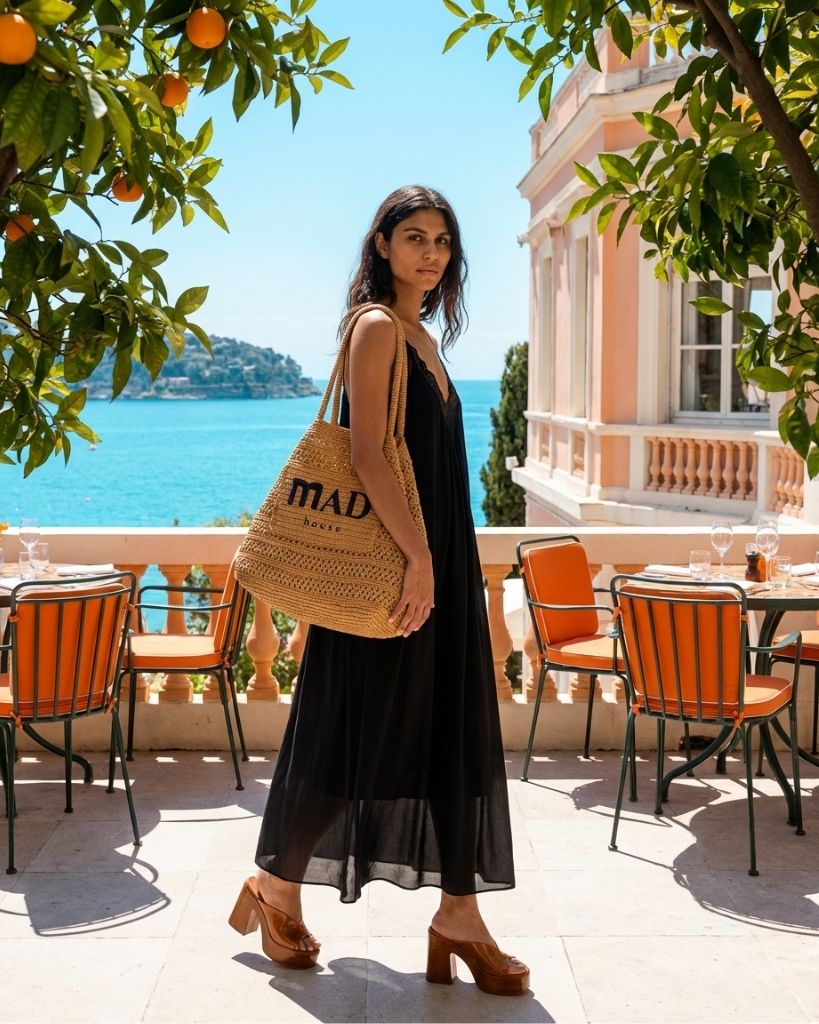
In the Made in Africa sector, the trap of purely humanitarian rhetoric is a common one. Mad House takes the opposite approach. Here, we don’t sell “to help”, we sell because it’s beautiful. The brand is aimed at active women, entrepreneurs and mothers, looking for a practical yet sophisticated bag.
“We didn’t want there to be any empathy with our brand. We wanted the customer to say to herself, ‘I want this bag because it’s sublime’, not to do a good deed.” – Laetitia Joly.
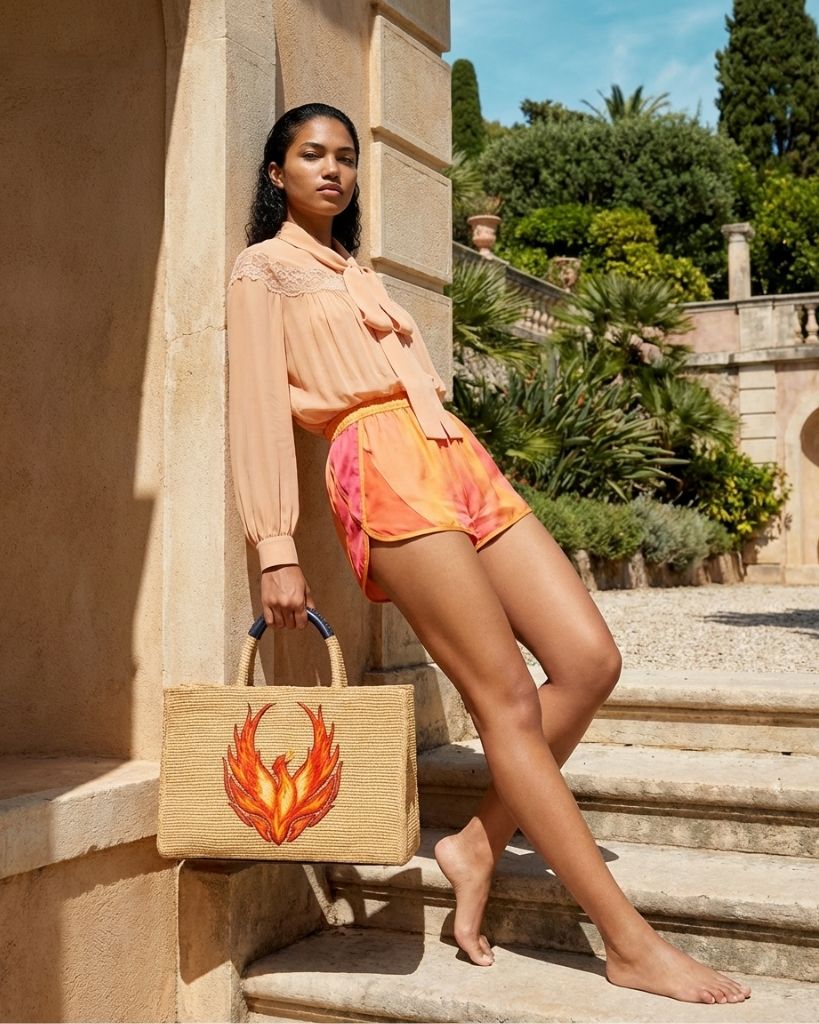
This is reflected in finishes worthy of the finest leatherworkers: meticulous lining, intricate embroidery and leather details. The result? A “Premium Plus” positioning that seduces even Madagascar’s own residents, who are experts in the field. A consecration for the founding trio.
The price of a Mad House piece ranges from €140 for a clutch bag to over €700 for the most richly embroidered models. A fair price that reflects weeks of manual labor and a fierce desire to showcase Malagasy craftsmanship at its true value.
A hybrid, agile organization
Mad House is also a reflection of modern entrepreneurship. With a team split between Marseille, Madagascar and Canada, the brand juggles time zones.
-
Local production: Our heart beats in Madagascar, where Jessica supervises our partner workshops, guaranteeing work ethics and impeccable quality.
-
Nomadic marketing: In Marseille, Laetitia manages communications and distribution, bridging the gap between the Indian Ocean and the Mediterranean.
This agility extends to their content strategy. To compensate for the colossal marketing budgets of the luxury giants, Laetitia trained herself inArtificial Intelligence. By generating certain campaign visuals via AI, the brand masters its art direction with surgical precision, while remaining eco-responsible and thrifty with logistics.
Travel as the only horizon
Today, Mad House doesn’t just sell bags; it sells a travel experience. Present in Saint-Tropez, Saint-Jean-de-Luz and luxury hotels such as the Miavana in Madagascar, the brand targets places where customers take the time to live.
The future? It’s written in rarity and exclusivity. Far from mass production, Mad House continues to cultivate its identity as a “basket that travels”, with the ambition of becoming a must-have in sunny lands.
Read also