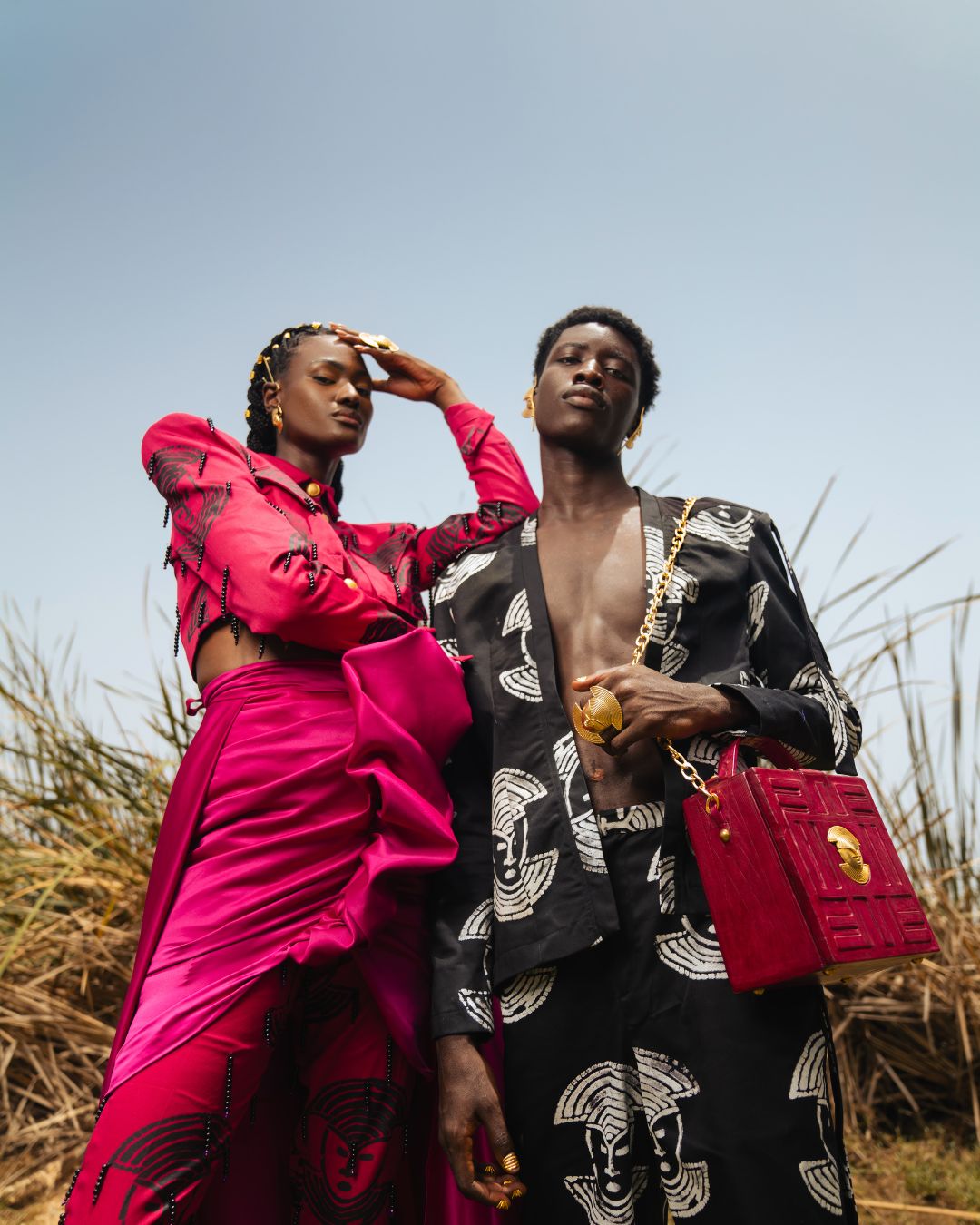
The Business of Fashion Weeks in Africa
The African fashion industry is no longer a mere cultural promise; it’s an accelerating economic powerhouse. With a value in excess of $31 billion in 2020 and optimistic projections to reach over $50 billion by 2030, the sector has structured itself around key platforms. Among these, Lagos Fashion Week (LFW ) in Nigeria has established itself as the benchmark model. Far from being a mere ephemeral catwalk event, LFW has become a rigorous business ecosystem, a catalyst for growth and a strategic bridge to the global economy. At the heart of this transformation is Omoyemi Akerele, the architect whose vision has turned the show into a true B2B success story.
When fashion becomes a pillar of GDP
Africa, and Nigeria in particular, has never lacked creativity. What has changed over the past decade is the ability to monetize and structure this creativity. Nigeria, spearheading this dynamic, has seen its fashion industry contribute over $6.1 billion to its Gross Domestic Product (GDP), testifying to its societal and economic weight.
However, for this growth to be sustainable, a professional infrastructure was essential. Local designers needed a platform that would not only showcase their creations, but above all connect them to buyers, investors and players in the global supply chain. Lagos Fashion Week was born into this ebullient but still fragmented environment.
LFW has not sought to slavishly imitate the Western standards of the “Big Four” (New York, London, Milan, Paris). It has developed a model adapted to African realities: those of a sometimes complex supply chain, a crucial need for training, and the need to prioritize exports and inter-African trade. The ambition has always been clear: to transform local fabrics, ancestral know-how and the genius of designers into financially viable businesses.
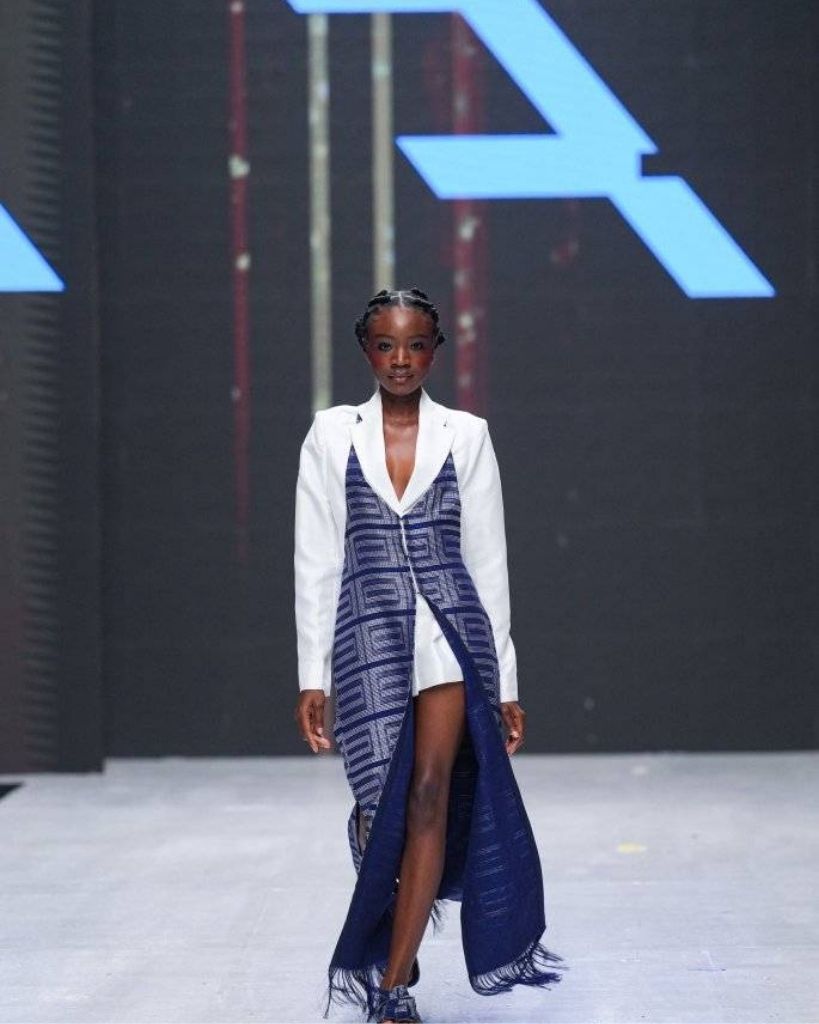
Omoyemi Akerele, portrait of a businesswoman
Omoyemi Akerele is not only the founder of LFW in 2011; she is its Chief Executive Officer (CEO) and the mastermind behind Style House Files (SHF). Her commitment to the African fashion industry spans more than two decades, making her a respected figure to be reckoned with.
Her influence extends beyond the continent’s borders. Omoyemi Akerele is regularly cited as one of the most influential figures in global fashion and is a member of the prestigious Business of Fashion’s Global 500 (BoF 500), a recognition that underlines her role as a curator and global strategist.
His real work lies in the creation of Style House Files, which functions as a development agency. It is not just an event organizer, but a talent incubator and provider of essential infrastructure. SHF supports designers through structuring platforms, including :
- Lagos Fashion Week (the showcase).
- Green Access (sustainability initiative).
- Fashion Focus Africa (the mentoring and training program).
This integrated approach is what sets LFW apart. It doesn’t just show clothes; it trains entrepreneurs, structures brands and creates the conditions for long-term success. It’s a strategy that has enabled the event to become an essential focal point, attracting the eye of the international press, but above all the checkbooks of global buyers.
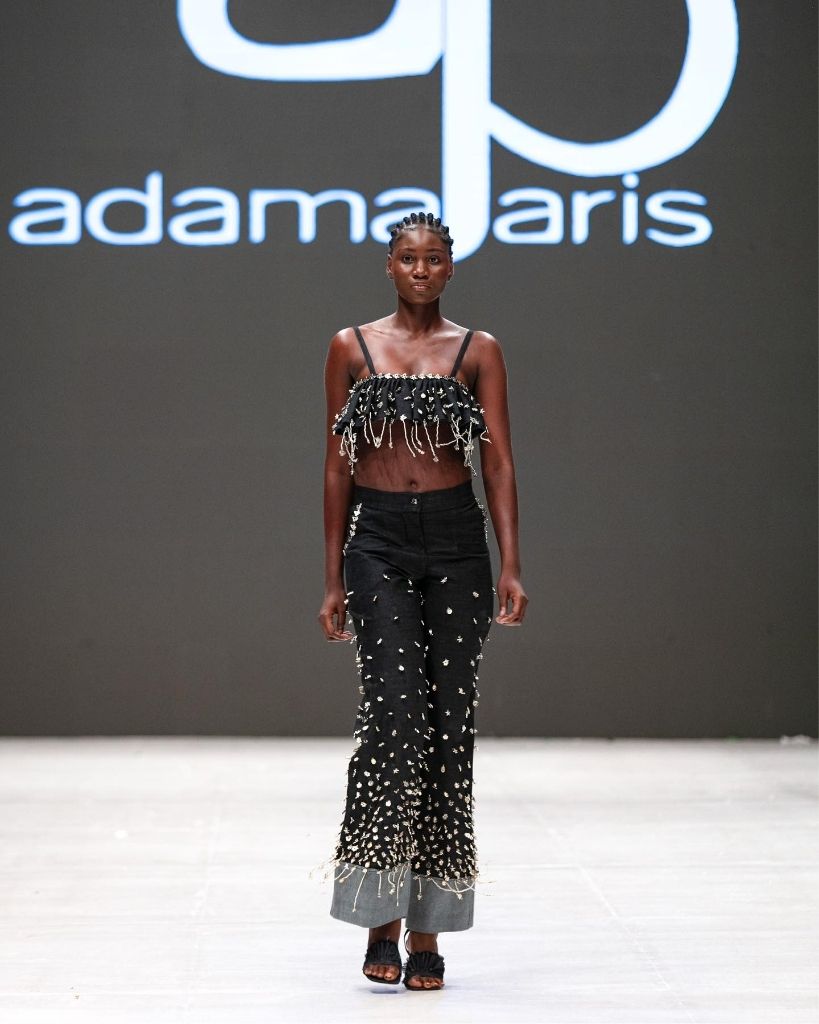
The business model, from fashion show to business-to-business
LFW has clearly defined its positioning, rejecting the “See Now, Buy Now” model popularized by some fashion capitals. For Omoyemi Akerele, this model did not correspond to the logistical challenges and production cycles specific to Africa. Instead, LFW focused on maximizing B2B (Business-to-Business) relationships.
Le Pivot Stratégique: Trade over Spectacle.
LFW is conceived first and foremost as a business platform. The shows serve as a catalyst, but the real value lies in the showrooms, business discussion panels and private meetings between designers, multi-brand buyers and investors. The avowed aim is to generate orders, secure partnerships and improve export capabilities.
This focus on commerce has paid off: Lagos Fashion Week has generated over $100 million in Gross Merchant Value (GMV) for Nigerian and African brands since its inception. This figure is tangible proof that Omoyemi Akerele’s vision, focused on infrastructure and financial viability, is the key to unlocking the economic potential of African fashion. By providing a professional framework, LFW has enabled designers to move beyond the artisanal workshop to become exporting businesses.
An ecosystem of impact and sustainability
The success of a modern Fashion Week is also measured by its social and environmental impact. In this respect, LFW has succeeded in integrating contemporary issues into the heart of its business model, reinforcing its credibility and attractiveness to international partners.
The Green Access Initiative.
One of Style House Files’ most important platforms is the Green Access initiative. This program focuses on sustainable fashion, responsible sourcing of local raw materials and ethical production practices. It responds to a dual need: on the one hand, to preserve Africa’s rich artisanal heritage, and on the other, to align African brands with the growing sustainability demands of consumers and global regulators. By training designers in these practices, LFW ensures that their growth is not only rapid, but also responsible.
What’s more, LFW’s ability to attract partnerships from leading international brands (such as Heineken, FETS or Darling) testifies to its legitimacy and drawing power as a market platform. These partnerships don’t just bring funds; they bring operational expertise, visibility and integration into global business networks, essential for bridging the gap between Lagos and international markets.
Lagos Fashion Week, an example to follow
Lagos Fashion Week, under the visionary aegis of Omoyemi Akerele, is much more than a series of fashion shows. It’s an ecosystem-building venture that has transformed a sector of cultural expression into a multi-billion-dollar engine of economic growth. By focusing on B2B, sustainability and capacity building, LFW has set the roadmap for other African fashion capitals, proving that it is possible to reconcile cultural authenticity with the rigorous demands of international trade. The challenge for the next decade will be to maintain this momentum, investing further in production and distribution infrastructures, to ensure that Africa firmly holds its place at the pinnacle of global fashion.
This approach earned LFW the prestigious Earthshot Award in the “Build a Waste-Free World” category. By requiring every designer to prove their ethical and sustainable commitment, LFW demonstrates that African fashion has the power to be both beautiful and responsible, and an essential driver of job creation and cultural preservation on a global scale.
Read also