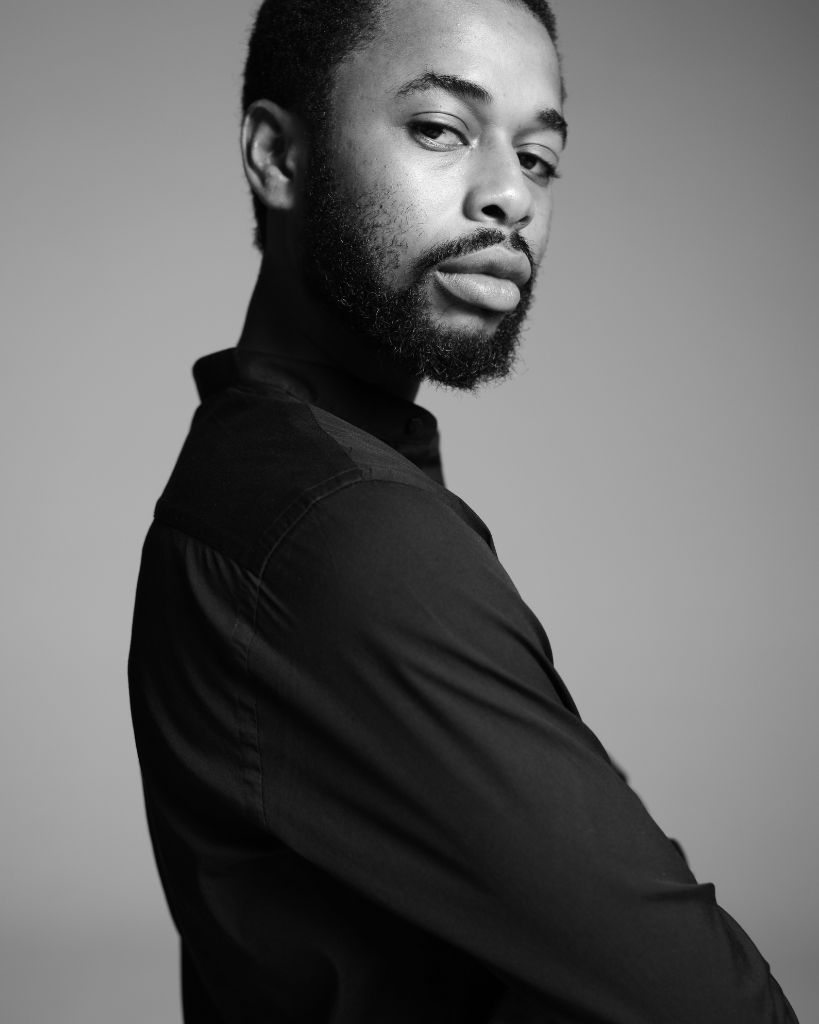
The self-taught Abidjan-based universal fashion designer
Zak Koné, founder of the Ivorian fashion house Pelebe, is a designer who has transformed his childhood passion into an ambitious brand. Starting from a simple observation of the gap between African fashion and international standards, he created Pelebe to answer a fundamental question: how can fashion from the continent become
From styling to design
Although he has a degree in communications and marketing, he worked in the fashion industry as a stylist for a variety of personalities. Lacking the means to attend an international school, he made the bold choice to learn on the job, an experience he considers formative today.
As a stylist, his role is to interpret the stories of the collections and translate them into looks for the market. He works passionately and closely with local designers in Côte d’Ivoire, and ends up feeling frustrated . Indeed, he perceives a significant gap between African fashion, often focused on the local market, and the international fashion represented by brands such as Dior, Chanel or Versace, which touches on the universal.
This frustration was the real trigger, and he decided to go over to the other side and design the pieces he couldn’t find on the market himself. The experience he had gained with designers and customers gave him a solid foundation for the success of this new venture.
Pelebe, a bridge between heritage and universality
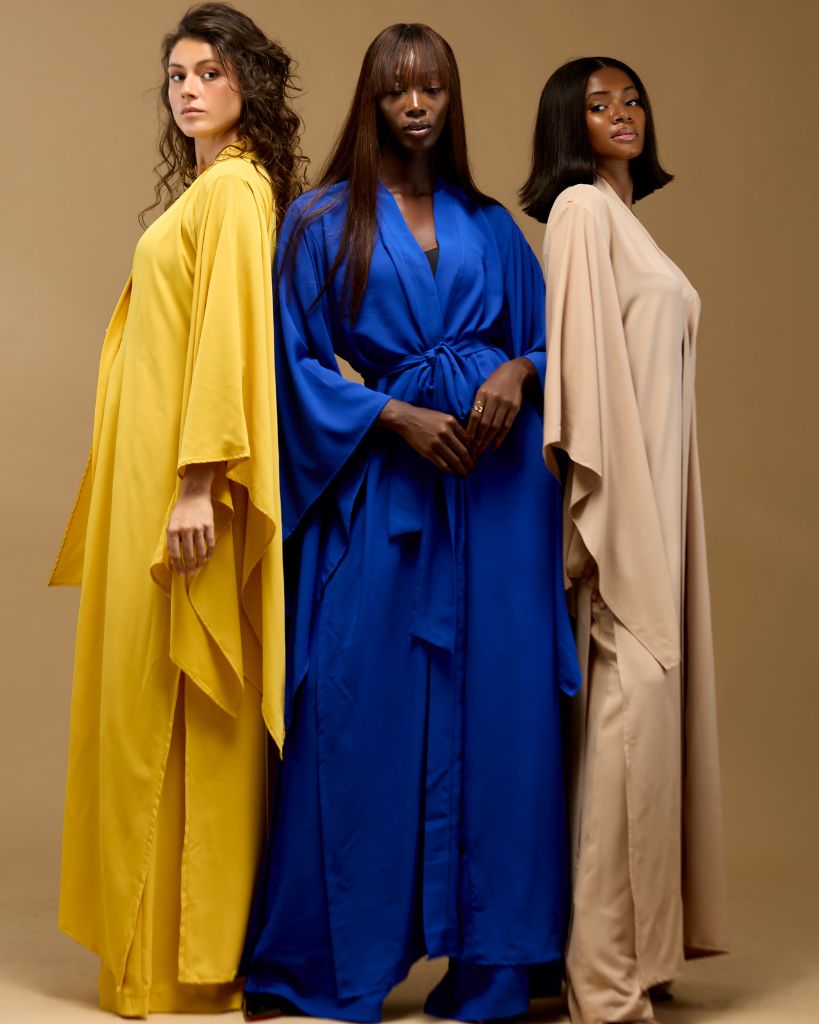
Pelebe is a direct response to this quest for universality. The brand seeks to create garments that, while drawing their inspiration from the heart of the continent, its history and culture, can appeal beyond. Zak Koné insists that the Pelebe woman is above all a “citizen of the world”: a woman who crosses eras, from pre-colonial youth to those who use AI and are connected to the four corners of the globe.
Pelebe’s identity rests on several pillars:
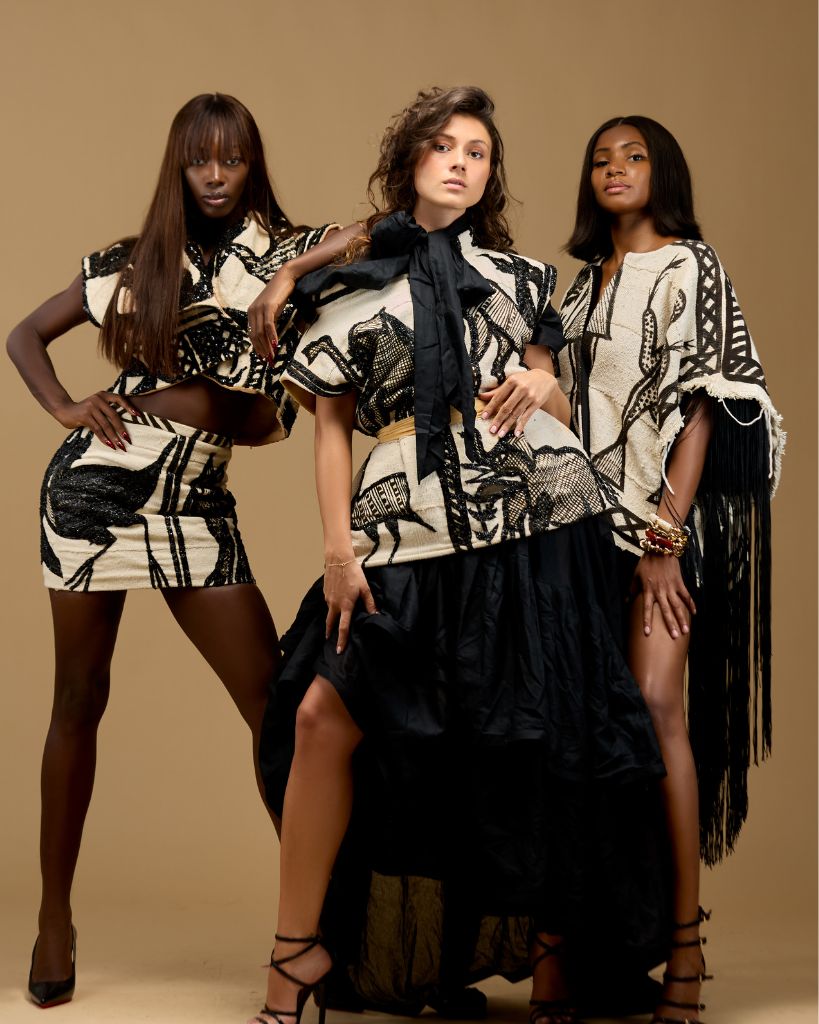
- Inclusion and anchoring: Zak Koné strives to include models of different skin tones and cultures in his campaigns, rejecting past stereotypes and advocating global beauty.
- Functionality and materials: The brand works with materials adapted to the realities of the African climate, favoring cotton and cotton voile, often hand-woven in Côte d’Ivoire. The current challenge is to integrate materials such as raffia in an aesthetic way.
- Dress codes: Pelebe uses traditional codes such as knotting and draping to anchor its style in African culture, while modernizing them with contemporary cuts.
Pelebe, a tribute to his grandfather
The story behind the name Pelebe is particularly moving, and reveals the depth of the founder’s commitment. In the Senufo dialect, Pelebe means “close-knit brotherhood” or “fusion of brothers”.
However, Zak Koné chose this name as a tribute to his grandfather, who bore the same name and had been ejected from the family confessional. Pelebe was born of the desire to “do justice” to this grandfather. History is the driving force behind the brand’s ambition. The aim is to turn humiliation into glory by dressing the world.
A strategic ambition
In terms of distribution and visibility, the brand has enjoyed remarkable success. Concept stores in Côte d’Ivoire and the sub-region (Mali, Guinea, Burkina Faso, Senegal, Maghreb) have always
- His participation in major events such as Elie Kuame Fashion Week in Abidjan, considered a must-attend event on the continent.
- A prestigious collaboration with Olivia Yacé, Miss Ivory Coast, who chose to wear Pelebe creations for her participation in the Miss Universe contest, reinforcing the brand’s international image.
This growing demand has encouraged Zak Koné, who works in a small team, to consider launching an online boutique in 2026 to facilitate international sales and achieve his ultimate goal: to make Pelebe a globally recognized brand.
Read also