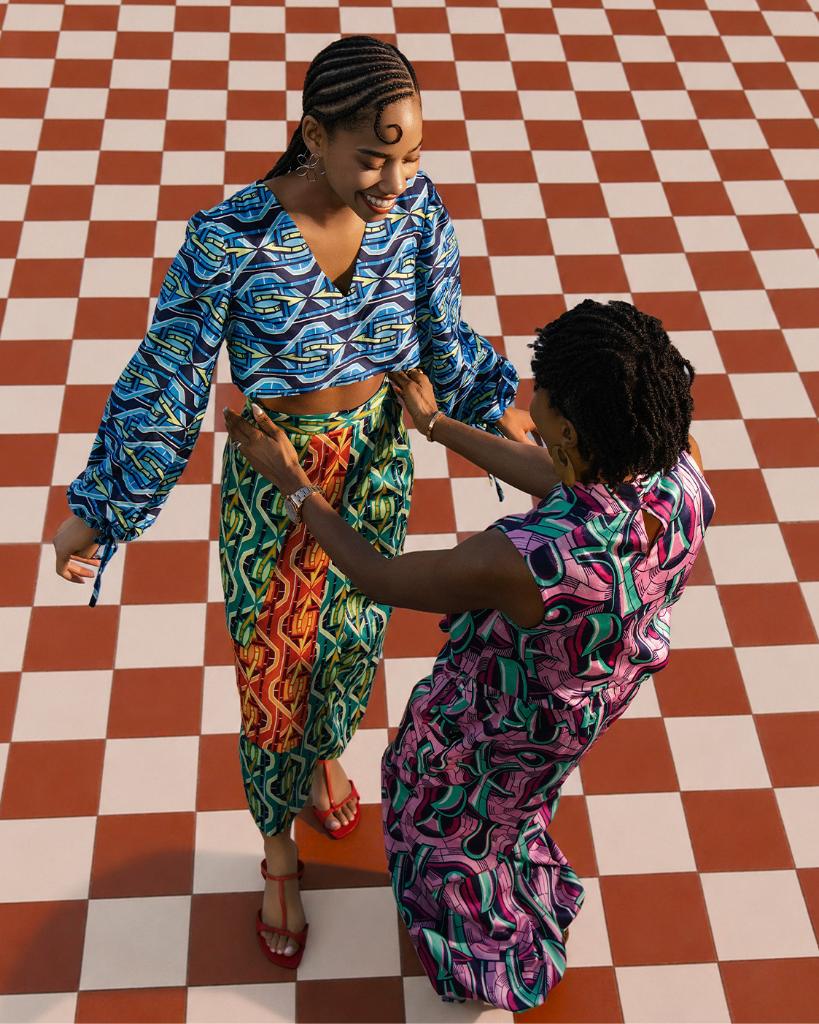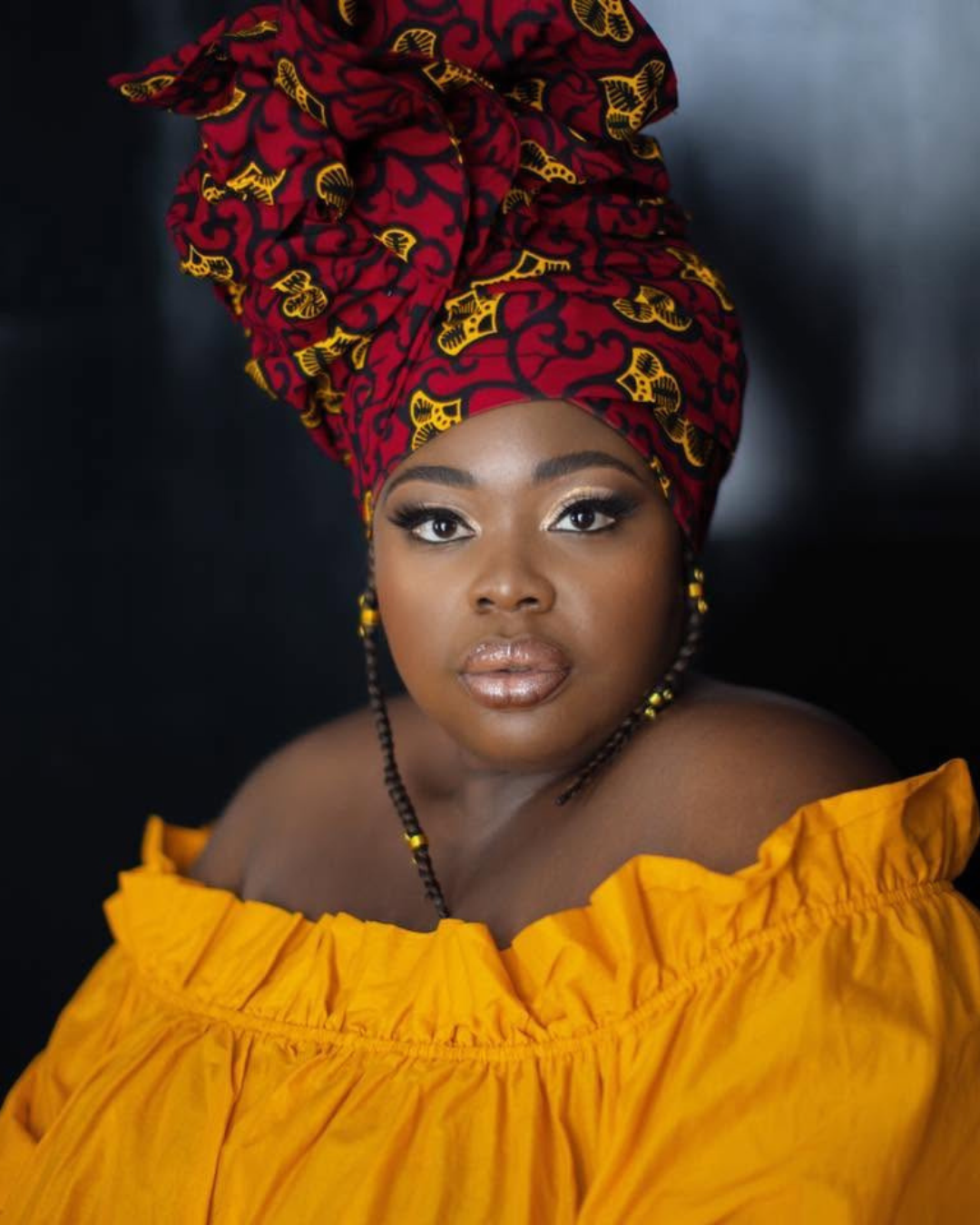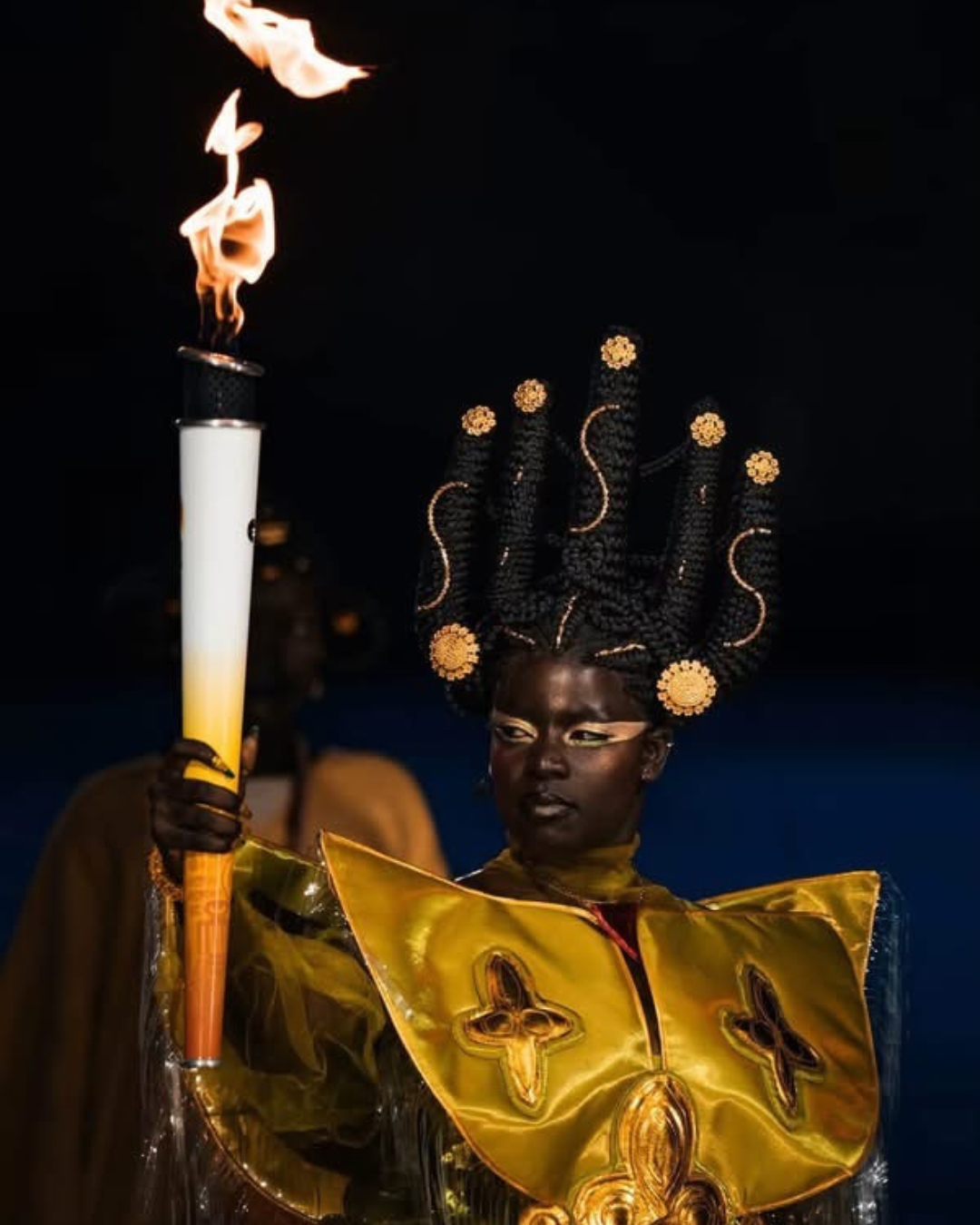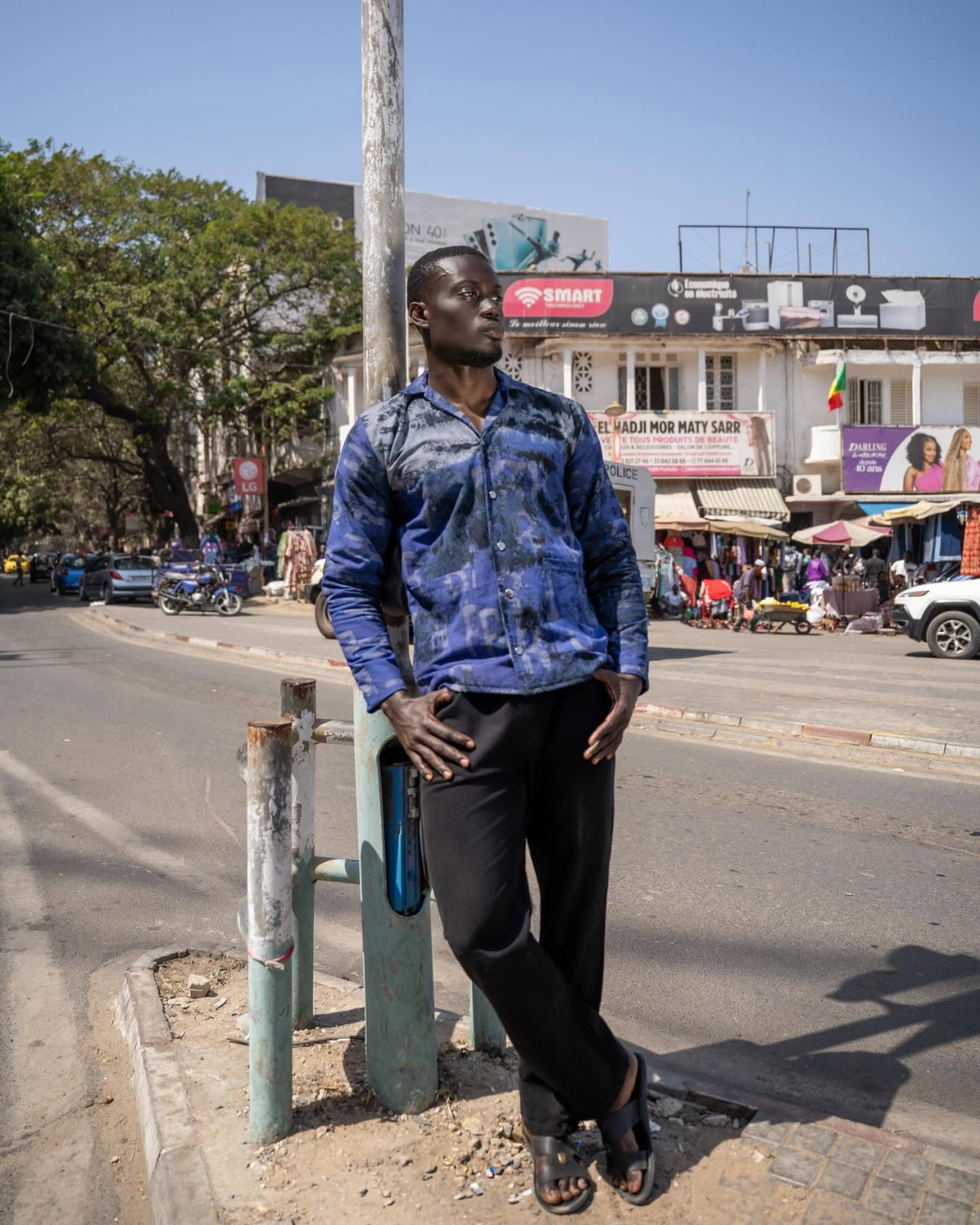
To dress in African men’s fashion, first identify the designers and brands that actually produce their clothing on the continent, then buy from them or their official retailers rather than settling for generic items sold without traceability. This distinction makes all the difference in the cut, the drape of the fabric, and the very meaning of your purchase. It sets apart a garment designed by a creative studio from a standardized product that simply borrows a popular pattern.
What Defines the Contemporary African Men’s Wardrobe
Contemporary African men’s fashion brings together designs created by stylists and fashion houses from the continent or its diasporas, who specialize in tailoring, urban ready-to-wear, and ceremonial attire, drawing on authentic textile craftsmanship. It appeals to men living on the continent as well as to European and North American customers seeking structured pieces, and is not limited to traditional folk costumes or mass-produced printed shirts made outside Africa. While African women’s fashion has long enjoyed high visibility through ceremonial dresses and couture silhouettes, the men’s wardrobe is now making its mark with structured jackets, flowing ensembles, and sharply tailored shirts that transition seamlessly from the office to dinner, and official events. This trend responds to growing local and international demand: according to the 2023 Africa Wealth Report cited by According to UNESCO, the number of African dollar millionaires is expected to increase by 42% over the next ten years, reaching some 195,000 people by 2031. To contextualize these trends within the broader creative landscape, our guide to African fashion provides key insights into the textiles, regions, and key players that shape the sector.
Criteria for Evaluating an African Men’s Brand
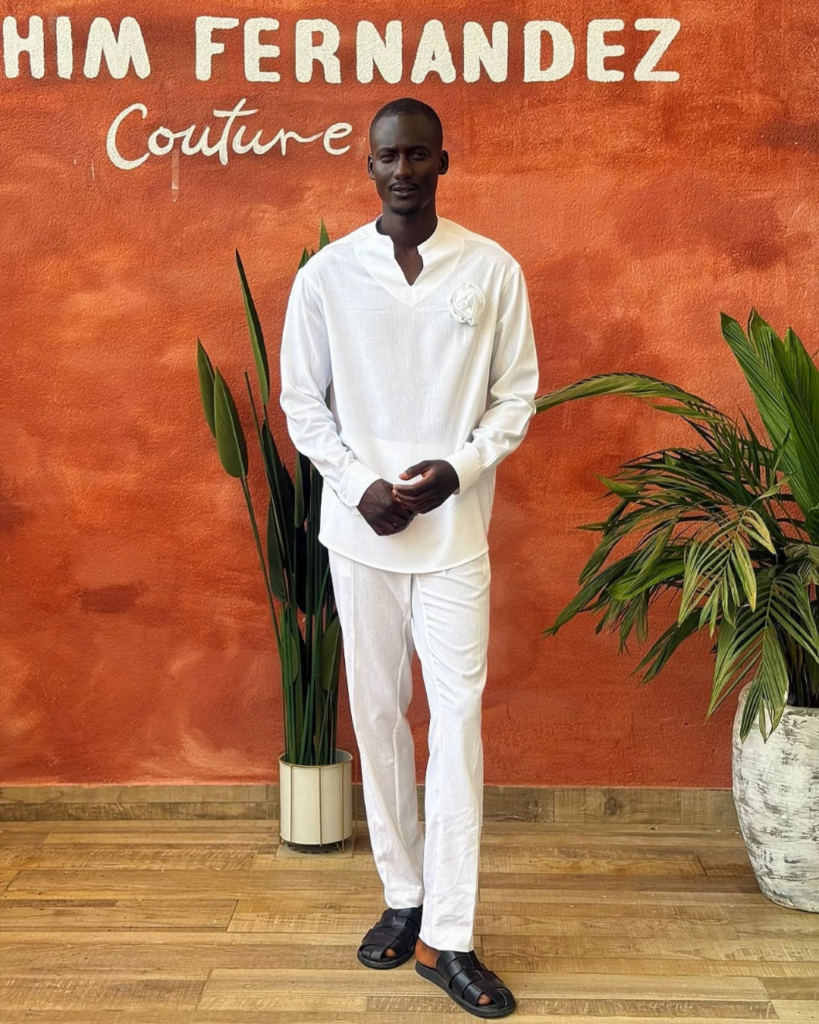
The continent’s textile industry relies primarily on small-scale operations. UNESCO points out that small and medium-sized enterprises now account for 90% of businesses in Africa’s fashion sector. This network of SMEs explains why quality varies greatly from one seller to another and why a few simple checks are all it takes to weed out the bad ones before placing an order.
- The location of the workshop and production: Check whether the brand specifies the city or country where the garments are cut and assembled. A reputable brand will highlight its workshops, artisans, or design studio, whereas a generic retailer remains vague about the origin.
- The construction of the cut: examine the shoulder of a jacket, the fit of a shirt collar, and the drape of the pants in photos showing the garments being worn. A well-tailored men’s garment doesn’t rely on a busy print to hide a poorly constructed pattern.
- The truth about the fabric: check the exact composition (hand-woven cotton, linen, lightweight wool, bazin, bogolan, or high-quality wax print). If you opt for a print, knowing how to recognize genuine, high-quality wax fabric will prevent you from buying a stiff imitation that loses its shape after the first wash.
- Stylistic balance: Examine how the brand blends local traditions with international fashion. We’ve already explored the issue of the Westernization of African fashion—a key debate for understanding why the best labels embrace their identity without resorting to caricature.
- Catalog consistency: A men’s fashion designer maintains a recognizable silhouette from one collection to the next. A store that stocks dozens of disparate styles without a unifying theme is most often selling inventory purchased from a catalog.
This requirement can also be explained by the maturity of the continental market. According to a UNESCO report published in 2023, the number of middle-class Africans tripled between 1980 and 2010, exceeding 34% of the continent’s population, and household consumption is projected to reach 2.5 trillion U.S. dollars by 2030. Brands targeting this discerning local clientele must pay close attention to the finer details, going well beyond mere novelty.
How to Find and Buy from the Right Designers
- Keep up with the events that showcase and feature designers from the continent, both in Europe and Africa. On our website, we’ve shared how Valérie Ka has been bringing her vision to life for the past four years through Africa Fashion Up in Paris to showcase African fashion. These showcases serve as an editorial filter: they provide you with the names of vetted brands that can be seen on the runway or in showrooms.
- Rely on the trade press and journalists who cover the industry year-round rather than on algorithms designed for quick sales. Reading Alexis Joseph Essouth’s perspective helps you understand designers’ career paths, their influences, and the fashion houses that stand the test of time.
- Always go back to the designer’s official website or the list of their authorized retailers. According to UNESCO, e-commerce penetration in Africa rose from 13% in 2017 to 28% in 2021, accelerating the growth of the fashion industry. More and more brands are now selling directly to consumers, offering detailed product descriptions and precise size guides.
- Ask for the exact measurements of the garment laid flat before confirming your order, especially if you’re ordering a structured piece or a semi-bespoke item. Size charts vary by country of manufacture, and a quick exchange with the workshop can help you avoid costly returns.
- Start with a key piece that’s easy to incorporate into your existing wardrobe: a woven cotton overshirt, a straight-cut jacket, or well-tailored wide-leg pants. This way, you can test the fabric’s quality and the reliability of customer service before investing in a complete outfit.
Choosing between a designer from the continent and a piece inspired by
Your choice depends first and foremost on how you actually plan to wear the garment. If you’re looking for a timeless piece for a wedding, a professional presentation, or a seasonal wardrobe that you’ll wear for several years, buying from an African designer is the way to go. You’re paying for a cut tailored to the male form, carefully selected fabric, and cultural value that won’t go out of style after just one summer.
The trade-off involves price and delivery times. A garment made in small batches or to order costs more than a generic shirt found on a general-purpose platform, and shipping from the mainland sometimes requires more patience. In France, The Treasury Department noted in 2025 that household textile consumption had not returned to its 2019 level by 2024 and remained nearly 7.0% below its pre-pandemic trend. In a climate where people are buying fewer clothes, focusing one’s budget on a well-tailored designer piece makes more sense than accumulating impulse purchases.
If your need is one-time or very budget-constrained, purchasing an “inspired” piece from a retailer that is transparent about its origin is still an option—provided you don’t mistake it for an African creation. The mistake is paying a mid-range price for a garment with no traceability that offers neither the quality of an independent workshop nor the simplicity of a well-finished basic piece.
Common Misconceptions About African Men’s Fashion
The
first misconception is reducing
African men’s fashion
to wax print alone. The continent boasts an immense wealth of textiles, ranging from kente to bogolan, including ndop, faso dan fani, and contemporary linens and cottons dyed with natural dyes. By focusing solely on colorful patterns, you’re missing out on designers who work with understated color palettes, raw textures, and architectural cuts that are very easy to wear every day.
Drawing a rigid distinction between traditional clothing and modern ready-to-wear also distorts our understanding of the collections. Tunics, structured boubous, and jackets inspired by historical silhouettes now feature lighter, more fluid silhouettes that pair naturally with straight-leg pants or derbies. On our page dedicated to modern and traditional outfits, you can see exactly how these two styles complement each other rather than being mutually exclusive.
Buying your usual size without checking the size chart often leads to avoidable disappointment. Some brands favor loose fits that reflect West African silhouettes, while others opt for a very form-fitting cut inspired by European tailoring. Taking two minutes to compare the shoulder width and back length with a shirt you already like solves the problem before it’s shipped.
Underestimating the care required for a handcrafted textile unnecessarily shortens the life of a beautiful piece. Handwoven fabrics, dense embroidery, and certain natural dyes do not hold up well to hot washes and the dryer. Following the manufacturer’s instructions or opting for gentle cleaning helps preserve the garment’s condition over time.
To keep up with these trends throughout the seasons, you can followAfrica Fashion Tour’s exclusive interviews and podcasts, which give a direct voice to the continent’s designers.
Frequently Asked Questions
Sources