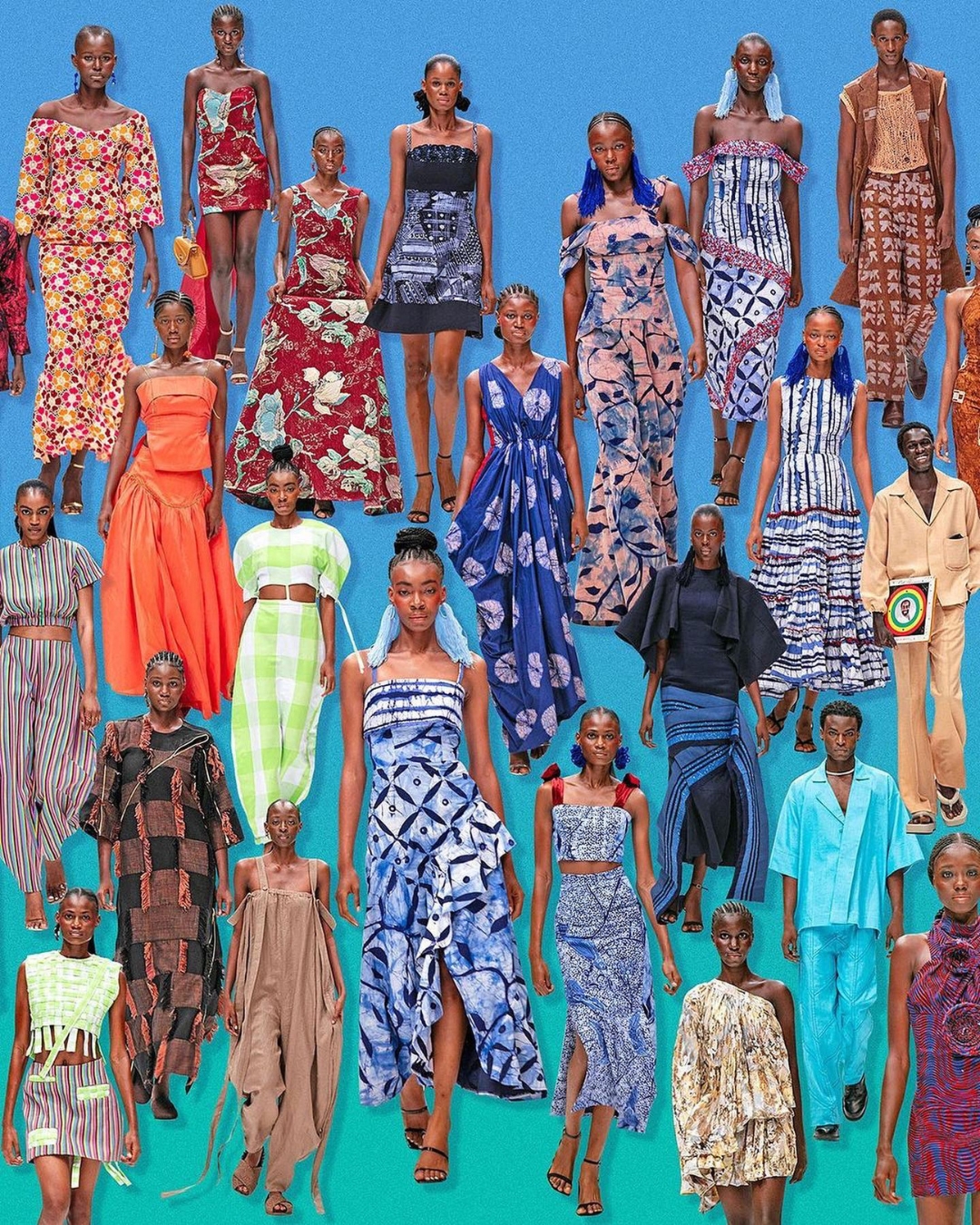
A dual life between public policy and a passion for style
Nothing suggested that Maëva was destined to become a content creator. With a law degree and early career experience at a communications agency specializing in Africa, the 32-year-old woman of Togolese origin now serves as a director at a pan-African NGO dedicated to public policy.
This full-time job, focused on supporting governments and innovative entrepreneurial ecosystems, is performed entirely remotely. It is precisely this flexibility that gives her the discipline needed to balance her professional life, her role as a new mom, and her passion for content creation. By making the most of her breaks and avoiding Parisian commutes, she turns her free time into a veritable laboratory for analyzing fashion.
A viral challenge sparks an effort to highlight the continent’s diversity
Mabelle’s journey on social media began with general advice on self-care, skincare, protective hairstyles, and everyday style tips. After a postpartum break lasting several months, she noticed that the algorithms had changed and sought an authentic way to reconnect with her audience.
The spark came from observing her own sources of inspiration. For years, she has been methodically saving images on her phone of African designers she has spotted on English-speaking fashion designers, noting a huge gap in the European Francophone fashion scene:
- The desire to introduce African designers to a French audience and the diaspora.
- The visionary idea—born in a dream—to launch a daily series dedicated to African fashion brands for thirty days .
- The strategic use of AI to structure scripts, refine editorial angles, and maximize the reach of short-form content.
The success was immediate. From the very first episodes, the videos racked up tens of thousands of views on TikTok and built a community of thousands of followers looking for unique, elegant, and meaningful pieces.
Why Legitimacy Is Rooted in the Consumer’s Perspective

In the sometimes intimidating world of fashion, Mabelle rejects the label of textile expert or historian. She assertively and openly identifies herself as simply a discerning customer:
- She analyzes clothing with the pragmatic eye of a consumer who spends her own money on durable pieces.
- She scrutinizes the fabric labels and learns to distinguish synthetic materials from high-quality natural fibers such as locally grown cotton or linen.
- She shares what she learns through direct contact with designers, her family, and her aunts in Togo, demystifying fashion to make it accessible.
This educational approach helps raise awareness within the community about the true value of artisanal clothing, explaining why a well-tailored piece that respects its artisans justifies a higher price than industrial fast fashion.
When Virtual Recommendations Fill Physical Pop-Ups
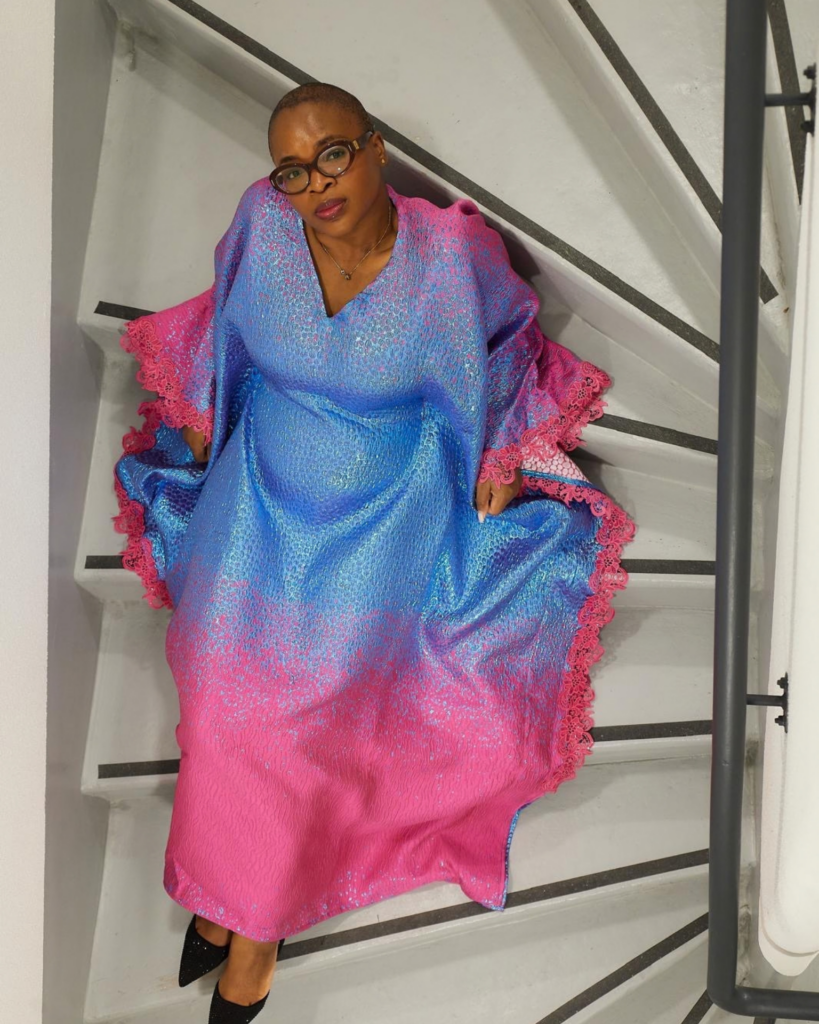
Mabelle’s influence quickly translated into a direct commercial impact on the ground. While she initially refused unpaid partnerships that required her to publish content, the turning point came with her spontaneous coverage of pop-up sales in Paris.
By sharing her favorite finds at multi-brand pop-up events, she noticed that her followers were going out to buy the items she tried on in her videos:
- Brands quickly recognized its unique ability to turn visibility into actual purchases in Parisian showrooms.
- Most of his paid collaborations now focus on promoting in-person events and providing detailed analysis of workshop finishes.
- His selection highlights remarkable brands such as Maison Kanty’s, known for the elegance of its weaves, and Ibrahim Fernandez, known for the brilliance of its high-end collections.
This role as a bridge between mainland manufacturers and European customers confirms that brick-and-mortar retail remains the premier venue for sales conversion and building trust.
Speak out on issues that are shaking up the ecosystem
Beyond showcasing outfits, Mabelle uses her platform to spark in-depth discussions inspired by feedback from her community:
- The Fair Price of African Creativity: Debunking the stereotype that a brand from the continent must necessarily be inexpensive, while highlighting the economic realities of local production.
- Inclusion in modest fashion: Examining the place of women seeking modest or covering styles, who are often overlooked by summer collections featuring very low-cut designs.
- Highlighting Everyday Wear vs. Formal Attire: To demonstrate that African fashion is not limited to weddings or ceremonial wax prints, but also offers minimalist, comfortable styles suited for the workplace.
By creating these spaces for discussion in the comments sections of her posts, she transforms a simple fashion account into a dynamic barometer of the diaspora’s expectations.
Making African clothing a catalyst for empowerment and the future
While Mabelle is currently ruling out the idea of launching her own clothing line in France due to logistical constraints and her commitment to her career in public policy, she has clear ambitions to help structure the industry. She plans, eventually, to create physical curation spaces and to support emerging brands in professionalizing their brand image and digital communications.
For Mabelle, wearing African brands goes beyond a fleeting trend. Every purchase is an act of economic sovereignty, a concrete way to reinvest value in local economies and proudly celebrate exceptional craftsmanship. By combining on-the-ground analysis with everyday elegance, she demonstrates that young people in the diaspora hold the power to redefine global style standards.
Read also
- Queen Serere breaks down the keys to branding and scaling up in African fashion
- Why Does African Fashion Need to Reinvent Its Own Media?
- The Must-Visit Concept Stores Where You Can Shop for the Best of “Made in Africa”