How did his time at European luxury fashion houses shape his attention to detail?
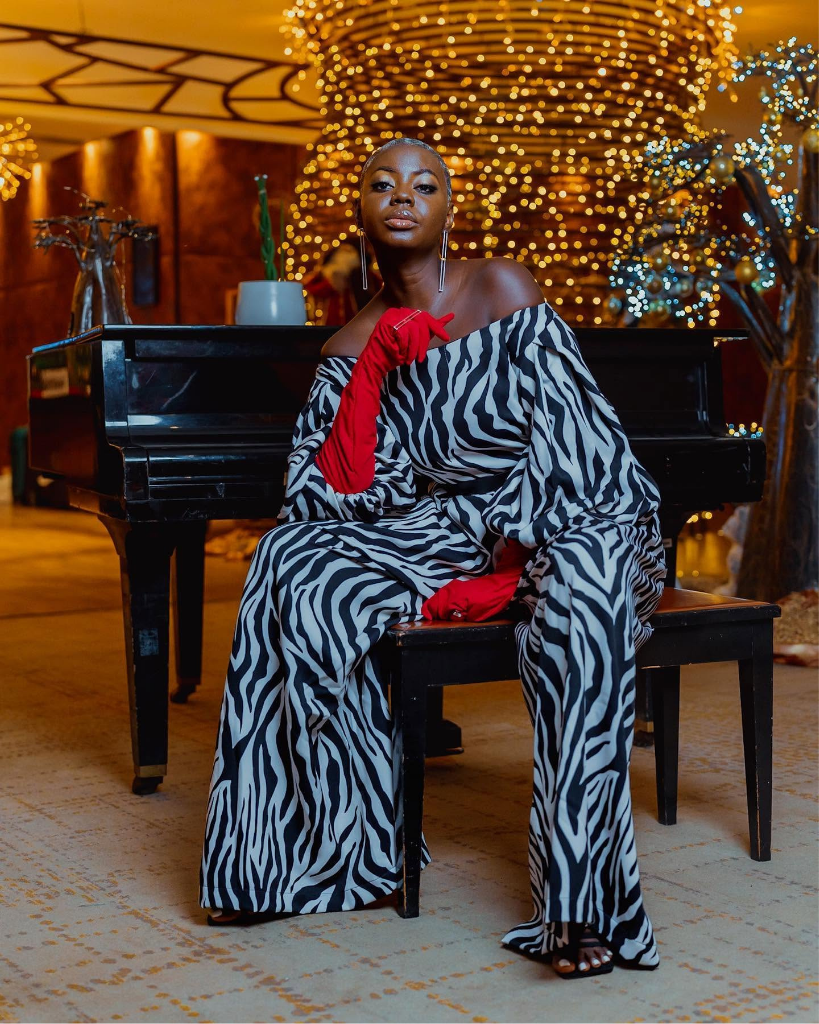
Before establishing herself as one of the most sought-after consultants in the West African fashion scene, Marie-Madeleine Diouf gained experience working for major brands in Europe. With a master’s degree in luxury brand management from the Rennes School of Business, she began her career in France at major companies such as the Swatch Group, where she oversaw retail distribution and customer service for fourteen prestigious brands.
She further developed her hands-on experience at Hugo Boss, Gérard Darel, and then Aigle, with an in-depth specialization in the supply chain and inventory allocation at retail locations. When the 2020 global health crisis brought physical distribution networks to a standstill and slowed the flow of goods from Asia, the young professional seized this opportunity to relocate to Dakar.
While traveling through Senegal, Côte d’Ivoire, and Benin, one thing became abundantly clear: the creativity and quality of the products made on the continent easily rivaled international offerings, but the weak link was almost always a lack of digital strategy, weak storytelling, and the absence of structured sales processes.
Why shouldn’t digital be limited to a static showcase?

Building on the community she has cultivated through her blog and Instagram account under the name Queen Serere, Marie-Madeleine has launched her own digital communications agency, operating in Paris, Dakar, and Abidjan. Her role goes far beyond that of a mere influencer. She conducts profitability analyses to turn visual content into a direct driver of conversions.
For independent brands, the most common pitfall is confusing visibility with sustainability. Posting photos of clothing on Instagram or Facebook without a narrative-driven artistic vision, a clear pricing structure, or a customer loyalty strategy is no longer enough.
In her role as regional manager for Francophone Africa at the Ananse Africa platform, she has trained more than 450 designers and master tailors. Her work focuses on highly practical instruction:
- Develop a cohesive brand identity, from the logo to the packaging, including the creation of a technical line sheet.
- Adapt sales channels to local conditions, such as using TikTok Live for the Senegalese market or Facebook catalogs for workshops in Côte d’Ivoire.
- Move beyond the race for subscribers and focus on customer acquisition cost and repeat purchases.
The Lesson from Sisters of Afrika on Avoiding the Pitfall of Counterfeiting
Marie-Madeleine Diouf’s most significant experience lies in her work with the family-run brand Sisters of Afrika (SOA), founded by her sister Hélène Daba Diouf in 2012. From the very beginning, the brand challenged local conventions by moving away from the exclusive made-to-measure model to introduce regular ready-to-wear collections, featuring an urban and contemporary aesthetic.
The brand reached a global milestone in 2019 when American singer Beyoncé publicly wore the tie-dye “Flora” dress. While this media sensation sparked a massive influx of international orders, it was accompanied by an immediate setback: a massive wave of knockoffs and the spread of industrially produced counterfeits across West African markets.
Faced with this unfair competition selling low-cost replicas, the strategic analysis conducted by Marie-Madeleine and her sisters proved decisive:
- Recognize that counterfeiters are not true competitors, because they invest neither in the quality of cotton fibers, nor in branding, nor in customer service worthy of the name.
- Continuously innovate to stay one step ahead by designing exclusive, copyrighted prints and gradually phasing out patterns that have fallen into the public domain.
- Continuously reinvest in brand image and customer relationships, because even an established brand must continue to engage in marketing on a daily basis, just like the world’s largest corporations.
The secret to a family business with complementary skills
The longevity of Sisters of Afrika—which has celebrated more than a decade of continuous growth, culminating in its high-profile presence at Galeries Lafayette Paris Haussmann—can be attributed to a rigorous division of roles among the sisters.
Building on Hélène Daba’s artistic vision, each sister contributes a specialized technical skill:
- Jeanne Diouf, an economist by training, oversees financial management, unit profitability, and the online store’s infrastructure.
- Marie-Madeleine oversees the overall communications strategy, the collection launch schedule, and the artistic direction of the photo shoots.
- Other family members, who received training in retail management in Europe at chains such as Parfois and Kiko, oversee in-store performance metrics (KPIs) and customer service at points-
 .
.
This network helps address what Queen Serer identifies as one of the major shortcomings of the sector in sub-Saharan Africa: poor customer service. By fostering a culture of listening, kindness, and responsiveness—even in the event of a dispute—the company transforms ordinary shoppers into devoted brand ambassadors.
The Favorites That Are Changing the Face of the Continent
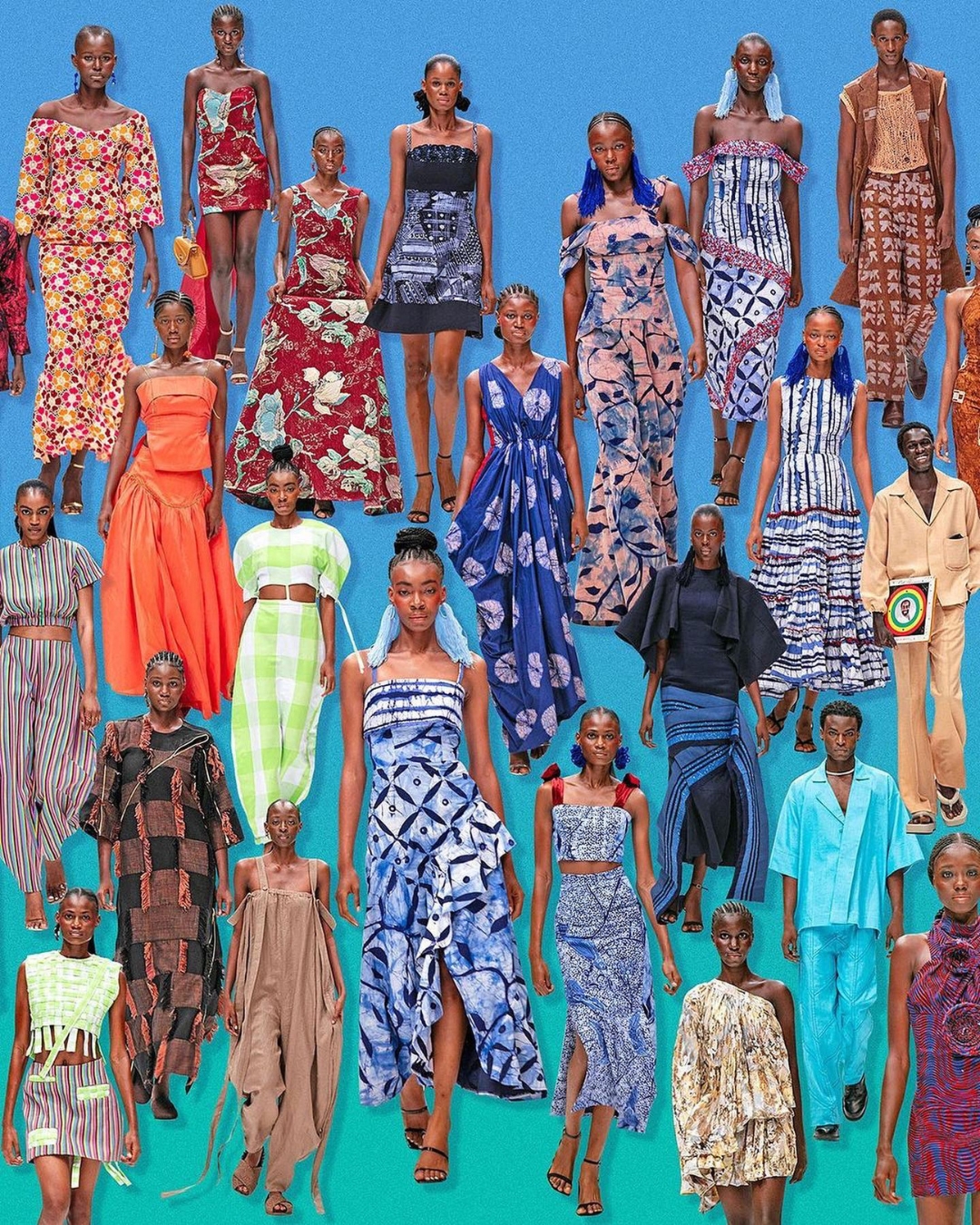
When asked about designers whose visual style and craft deserve recognition, Marie-Madeleine Diouf highlights several notable figures on the current scene:
- Romzy Studio (Senegal): praised for its meticulous approach to designing a dressing room that’s instantly recognizable, right up to the steps of the Cannes Film Festival.
- Parfait Ikuba (Senegal): the go-to choice for formal wear and high-profile weddings in Dakar.
- Maraz (Senegal): an exceptional storytelling model that has achieved the remarkable feat of elevating local “padam” shoes to the status of an international luxury accessory.
- Nene Yaya (Senegal): a brand that boldly positions itself at the very high end of the market without compromising on its standards.
- Ibrahim Fernandez and Pélébé (Ivory Coast): masters of structured cutting who celebrate contemporary African femininity.
Establishing Pan-African Standards Through Operational Requirements
Queen Serer’s journey demonstrates that the future of the continent’s brands no longer depends solely on their raw talent, but on their ability to master modern tools for distribution and digital communication. By combining the designer’s aesthetic eye with the logistics specialist’s meticulous precision, she proves that African fashion’s economic sovereignty is built day by day through attention to detail, impeccable customer service, and an authentic narrative.
Read also