It’s impossible to claim today that African design lacks a physical presence in the French capital. Between summer events and those scheduled during Fashion Weeks, there’s now a “Made in Africa” event taking place in Paris almost every month.
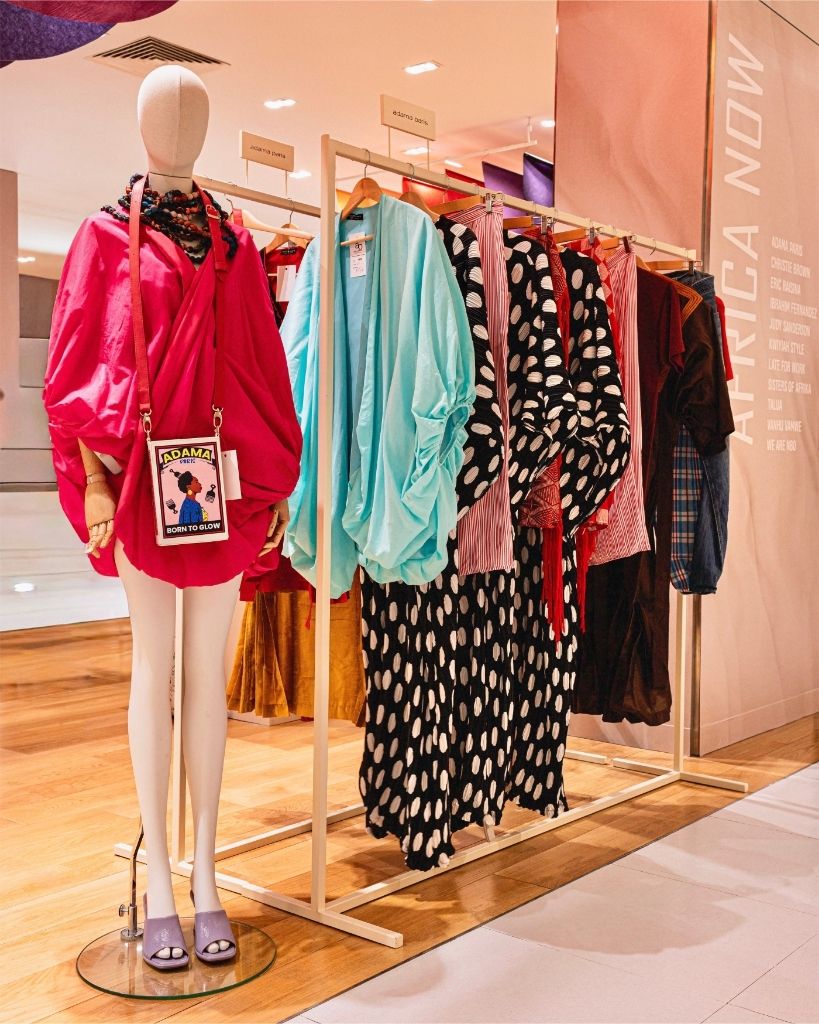
Throughout my visits this year—from Nahyel Concept Store in the Marais to Style Lounge Platform near the Opéra, and including Itura between Bastille and Châtelet, Wanni Fuga’s exhibition at Little Africa, The Kemit Store near République, and even the Africa Now pop-up at Galeries Lafayette, I’ve been able to witness the full vitality of this ecosystem.
This trend confirms that the public is curious and that demand exists—a fundamental shift that our editorial team regularly analyzes in the fashion section of Africa Fashion Tour. However, beyond the beautiful launch photos, the success of a pop-up is measured by its bottom line. Here is an essential roadmap of best practices observed in the field to help you avoid costly mistakes and maximize your sales.
Focus on authentic visuals rather than unattainable editorial photo shoots
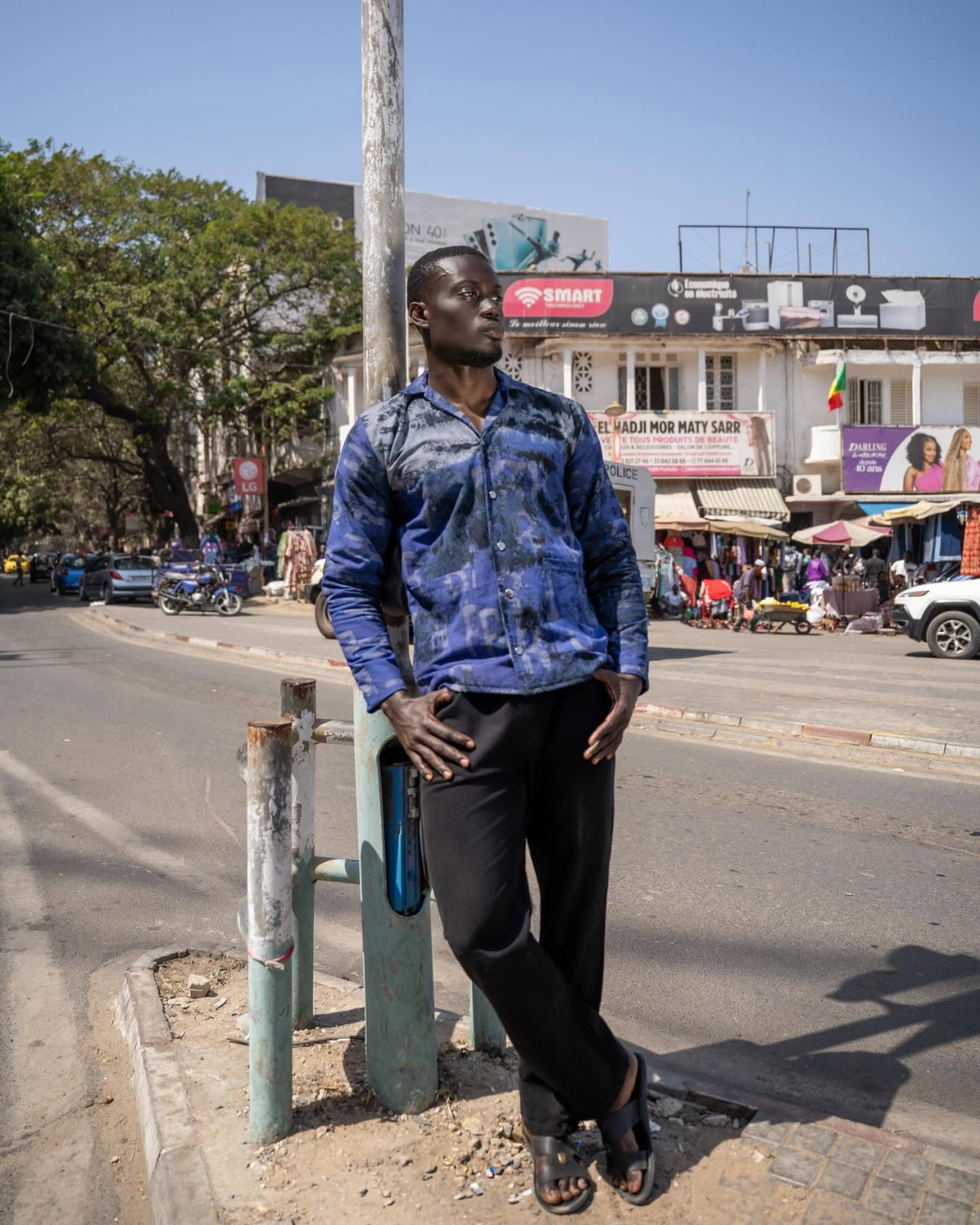
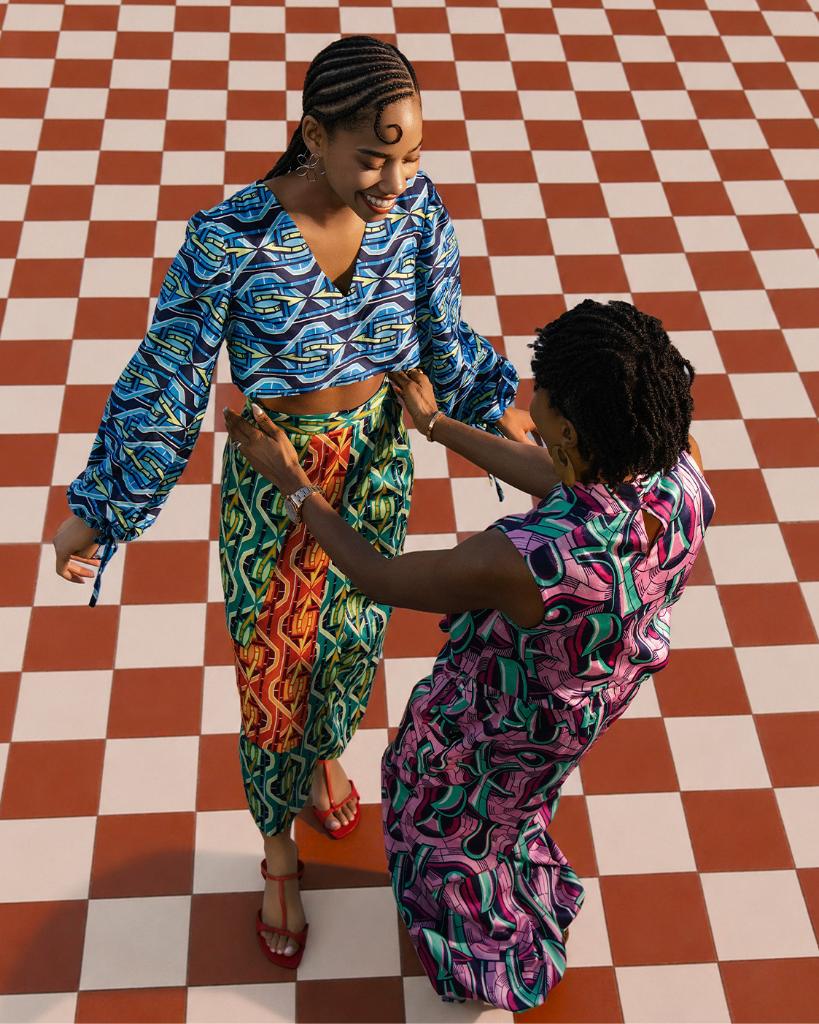
This is one of the most common pitfalls identified this season. Many brands rely exclusively on highly specialized editorial campaigns featuring models with perfect measurements striking artistic poses.
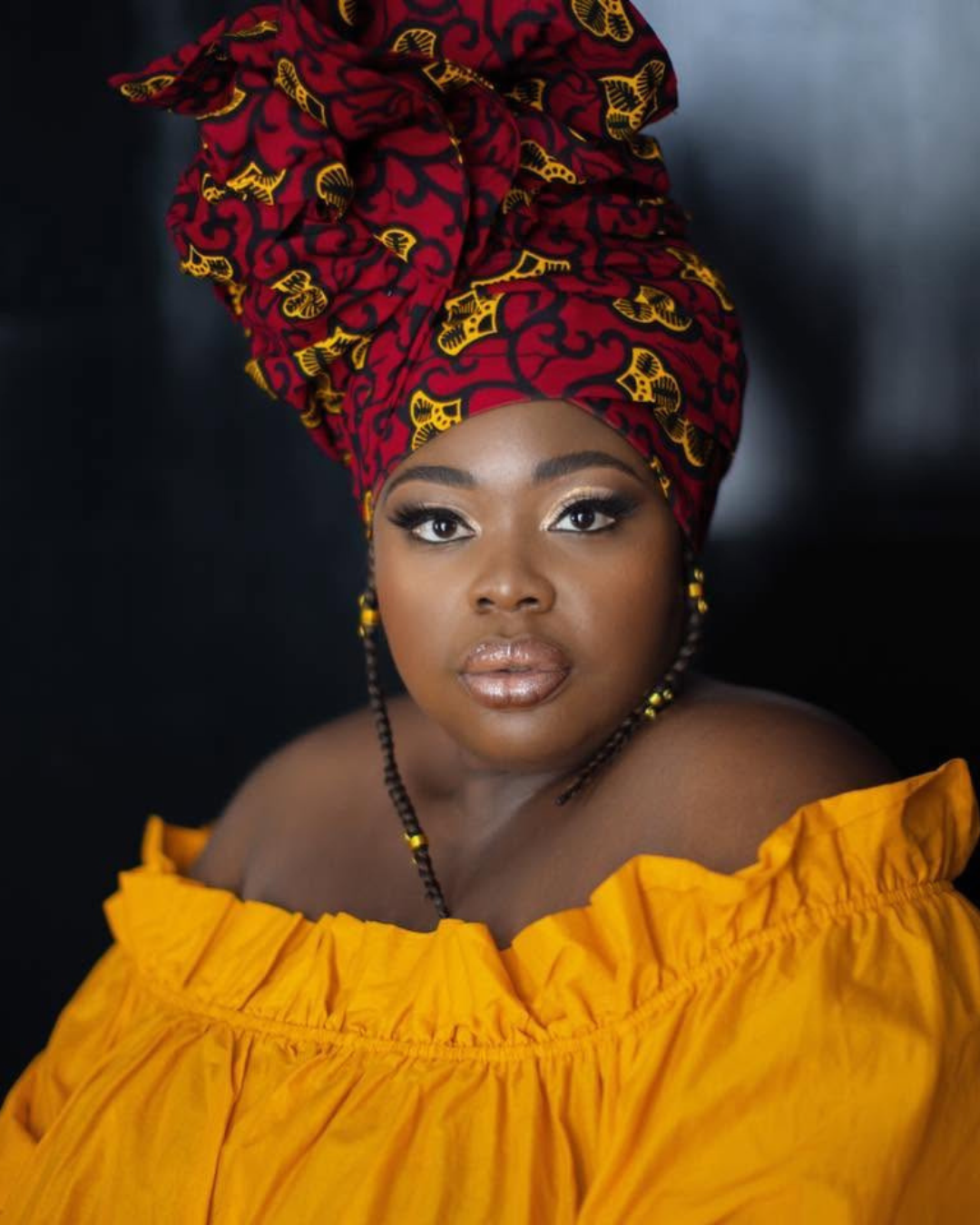
While these photos may flatter the creative ego, they create a psychological distance from the average customer, who can’t picture herself wearing the garment. To trigger a purchase, the public needs to see women of all body types wearing the pieces in real life.
- Prioritize user-generated content (UGC) and spontaneous try-on videos—a strategy brilliantly executed by brands like Sisters of Afrika and Ibrahim Fernandez.
- Organize live try-ons during the event, similar to on-site style demonstrations that allow customers to immediately understand a garment’s fit and versatility.
- Avoid overloading your ready-to-wear pieces with logos if your brand isn’t yet well-known among the general European public; instead, opt for bold cuts or subtle patterns.
Clearly display prices and the available catalog before opening
The mystery surrounding prices is the number one enemy of sales conversion. Too often, visitors come in without knowing exactly which styles will be on the racks or what price range they fall into.
Today, consumers are accustomed to transparency in online shopping: they want to know what to expect before stepping into a store.
- Post information in advance on your social media channels about the featured items available in-store, their color options, the sizes in stock, and their exact prices.
- Don’t be afraid to filter your audience by price: it’s better to attract fewer visitors but welcome qualified buyers who have already accepted your pricing strategy.
- Make a big deal about promotions or end-of-season clearance prices: finding out at the register that an item is on sale is a wonderful surprise, but announcing it before the event would have attracted twice as many committed shoppers.
Choose influencers who drive purchases rather than just create buzz
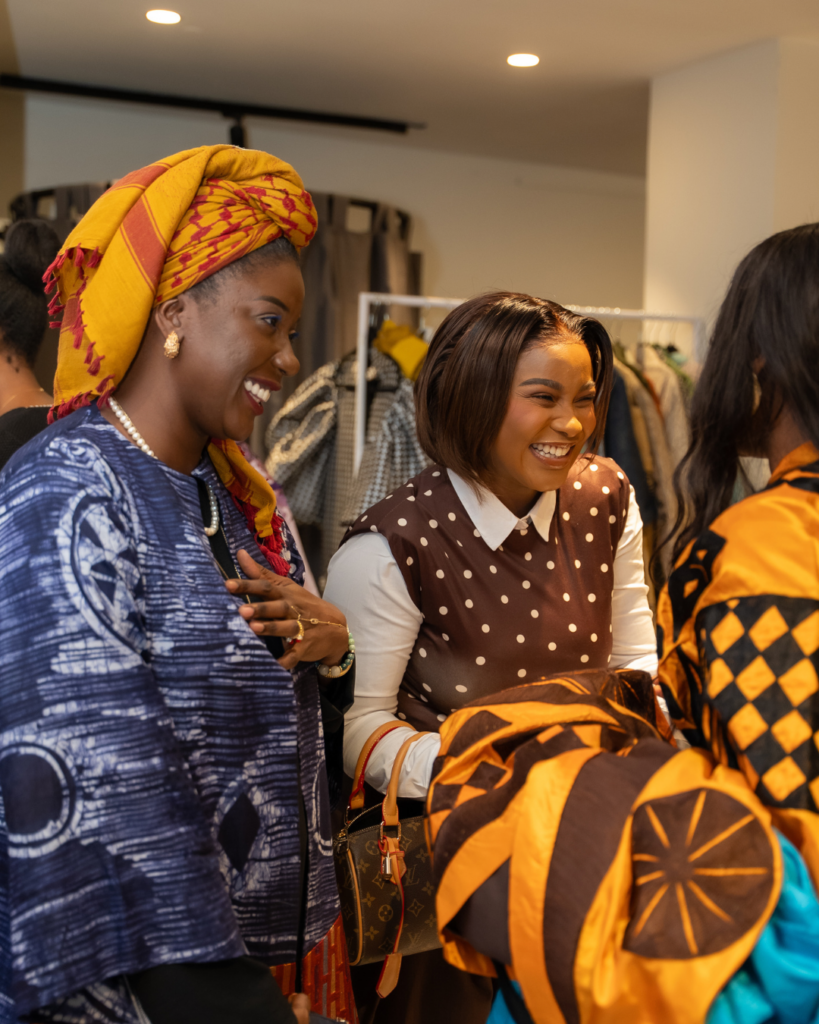
Influence is a powerful tool—as long as you don’t confuse overall name recognition with the ability to drive conversions. When they set up shop in Paris, many brands invite celebrities from the worlds of entertainment, comedy, or beauty pageants.
While these profiles generate visibility and views, their followers aren’t necessarily looking for fashion advice. Similarly, simply copying and pasting an exclusively English-language influencer strategy (designed for Lagos or Accra) into Paris limits its impact on a predominantly French-speaking Parisian diaspora.
- Collaborate with content creators who specialize in fashion advice, body type guidance, and curated shopping lists—whose audience is already in a buying mindset.
- Expand your reach beyond the Afro community: partner with general-interest stylists and fashion influencers who appeal to all women looking for flattering styles and great deals.
- Have your designs worn by a variety of different profiles during a targeted pre-launch to increase the number of recommendation angles on social media.
Pay close attention to the placement and ergonomics of the racks
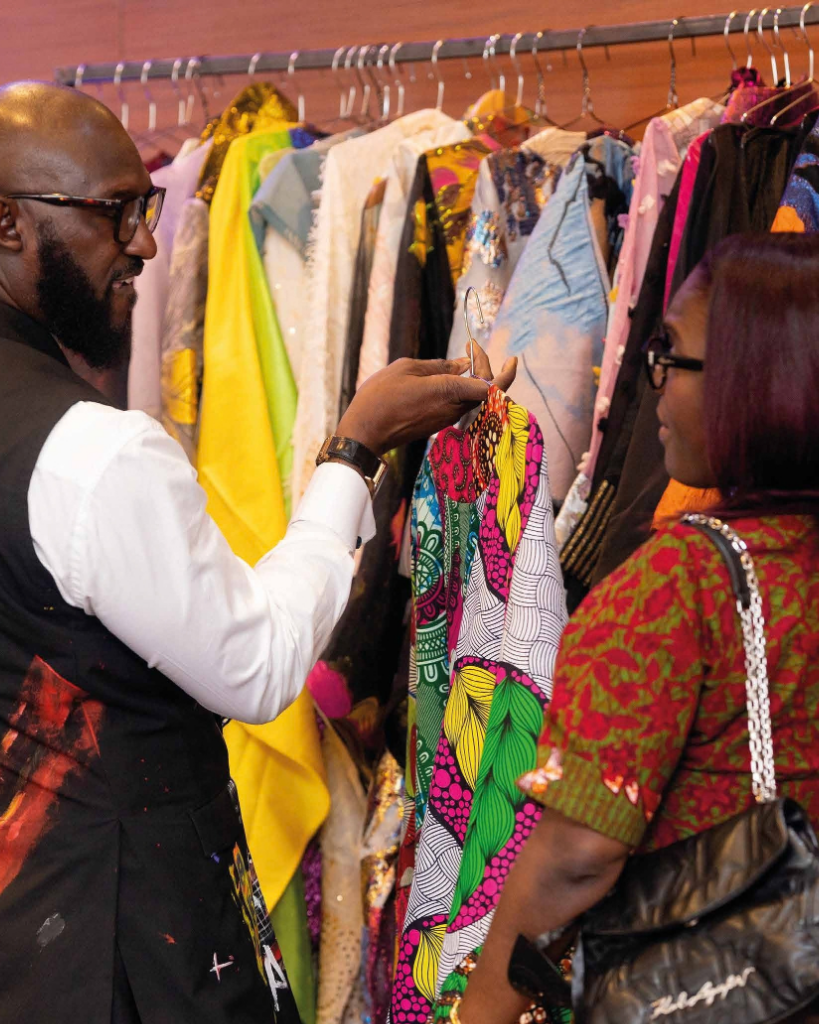
A pop-up store only lasts a few days: you don’t have time to wait for customers to search for your address in a secluded alley. The physical accessibility and visibility of the space directly determine foot traffic.
- Choose shopping districts with heavy foot traffic (such as the Marais or major thoroughfares near metro stations) and opt for a single-story space on the ground floor, since customers rarely go upstairs.
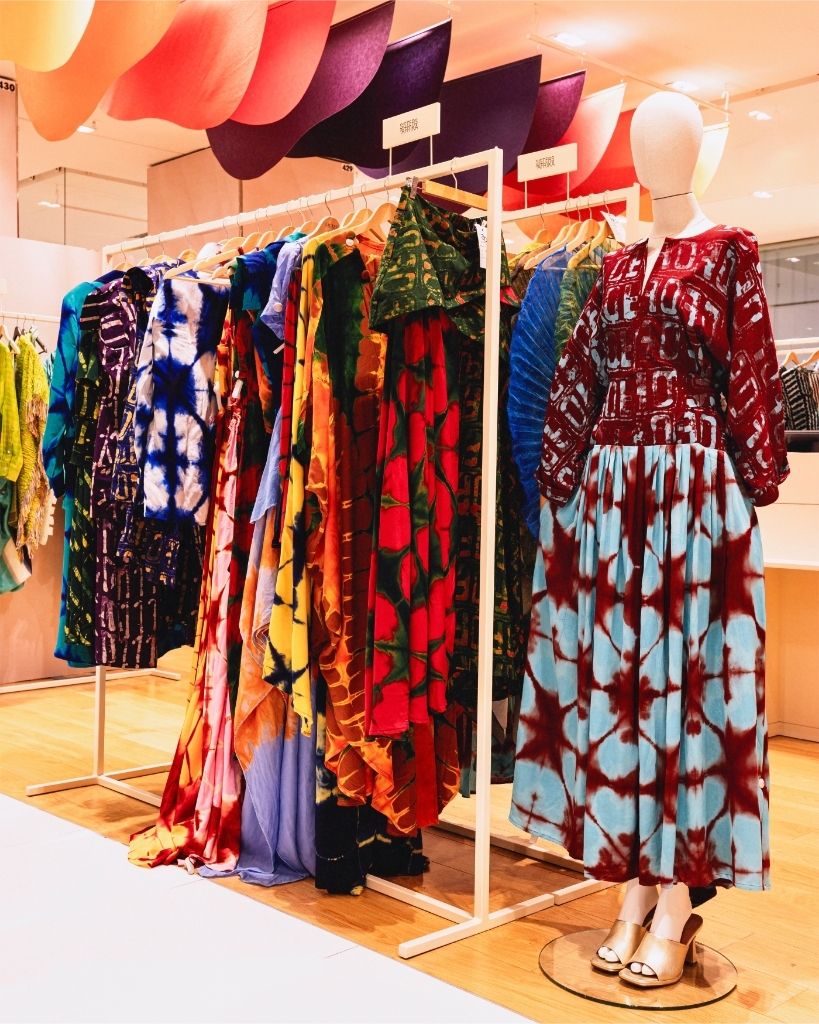
- Spacing out your racks and organizing your merchandise by theme or color scheme is key: overcrowding detracts from the creative work.
- Accompany each complex piece with a visual aid (a photo of the garment worn, displayed on a tablet, or in a printed lookbook) when the garment alone on a hanger doesn’t show its full shape.
Avoid getting caught up in the hype surrounding events so you can stay focused on sales
There is a persistent tendency when organizing events related to African cultures: the desire to do everything at once. Trying to cram a press conference, a panel discussion, a catered meal, a live concert, and a fashion show into a 50-square-meter retail space is counterproductive.
This fragmentation eats into budgets, ties up staff time with event logistics, and diverts visitors’ attention away from the fitting rooms.
- Keep in mind that a pop-up is first and foremost a commercial venture designed to generate revenue, not a cultural festival.
- Focus your resources on the essentials: a warm welcome, personalized advice in the fitting room, and a smooth, fast checkout process.
- Extend the customer experience beyond the checkout with thoughtful, high-quality, and durable gifts—such as a sturdy tote bag, a small compact mirror, or a useful accessory—that will turn every shopper into a daily ambassador for your brand.
Moving from the excitement of fashion events to the rigors of retail
The year 2026 proves that Paris is ready to embrace the richness and diversity of African fashion, whether it’s showcasing its traditional textiles or exploring a sleek, contemporary wardrobe.
For this physical presence to endure and truly enrich the continent’s boutiques, brands must now approach each pop-up store with the discipline of the retail industry. Less gimmickry, greater clarity about the product offering, and surgical targeting of influencers: this is the price that must be paid for Parisian excitement to translate into sustainable growth.