How the Palais Brongniart Is Becoming a Commercial Hub for African Creativity
For a long time, African fashion’s presence in Western capitals was limited to spectacular fashion shows that had no commercial follow-through. While the excitement of the runway captures media attention and fuels social media, it alone does not fill the order books essential to the survival of the ateliers. For the Paris Fashion Week edition dedicated to the Spring–Summer 2027 collections,the Tranoï trade show is taking the opposite approach to this fleeting trend.
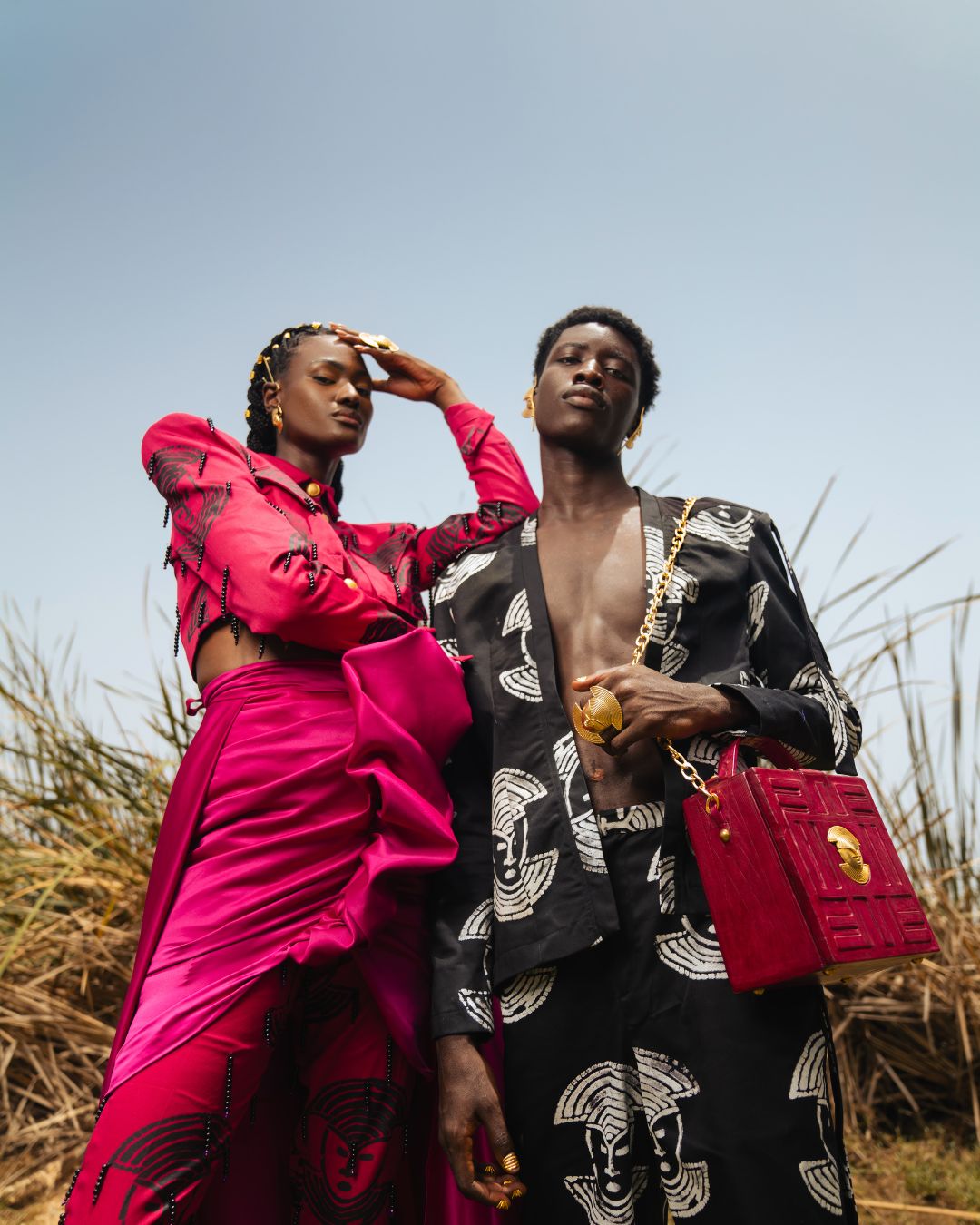
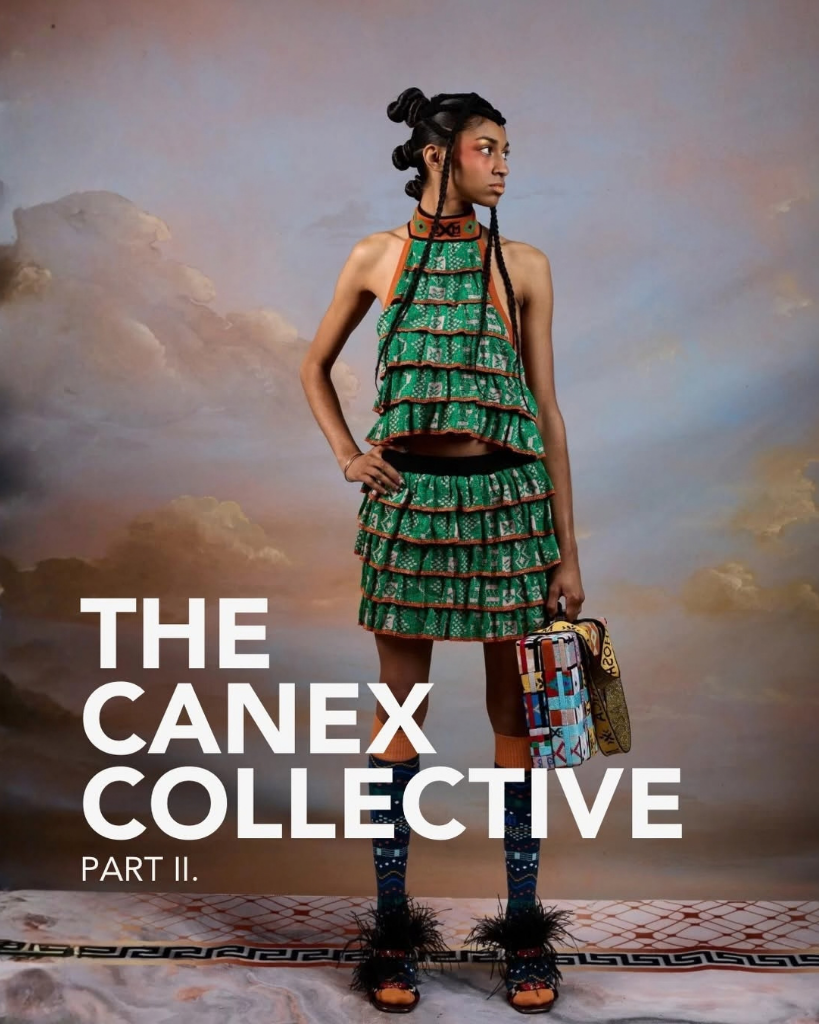
Held in the prestigious setting of the Palais Brongniart, the trade show is once again partnering with the Creative Africa Nexus (CANEX) program, led by the African Export-Import Bank (Afreximbank). Through the “CANEX Presents Africa” pavilion, this joint initiative provides a true business acceleration platform. The goal is clear: to position twenty designers from major cities such as Lagos, Accra, Gaborone, and Tunis directly in the path of international buyers, department store distributors, and the world’s most selective concept stores.
This location beneath the historic nave of the former Paris Stock Exchange marks a strategic shift. Designers from the continent no longer come seeking aesthetic validation; they come to negotiate order volumes, set delivery schedules, and establish a lasting presence in globalwholesale distribution channels. To analyze the structural changes in the African fashion ecosystem, Africa Fashion Tour offers a dedicated FASHION section.
Which new artists are featured under the Parisian glass roof?

To assemble the delegation for this October 2026 session, the pavilion curators have selected creative voices that combine technical rigor, a unique narrative identity, and industrial capacity:
- Maliko (Nigeria): A pioneering brand in handcrafted luxury accessories and footwear, founded by Ebuka Omaliko. The brand captivates shoppers with its mastery of hand weaving and the refinement of local leather, crafted in close collaboration with communities of artisans in Lagos.
- Mastewal Alemu (Ethiopia): A contemporary brand that showcases shemma, a traditional Ethiopian handwoven fabric made of pure cotton. Its architectural and minimalist cuts redefine the formal silhouette with timeless elegance.
- MISA (M/SA): A minimalist brand that explores fluid and adaptable silhouettes, designed specifically to meet the ergonomic and climate-related needs of a cosmopolitan clientele.
- Matenat: An experimental design studio focused on developing innovative textile textures, combining locally sourced fibers with meticulously crafted, handcrafted assemblies.
- Yasss (Tunisia): A brand of handmade accessories and jewelry crafted in a 100% all-female workshop
- Pure: A minimalist, contemporary approach that showcases a simple, sustainable, and elegant women’s wardrobe, designed to meet the expectations of consumers seeking timeless pieces with strong ethical values.
- Kauwri (Kenya): A contemporary brand based in Nairobi that specializes in jewelry rooted in traditional Kenyan craftsmanship
- Yza (Morocco): A Moroccan leather goods brand that reimagines the style of woven baskets
These designers demonstrate that the African avant-garde in fashion is not confined to any folkloric constraints. It moves effortlessly between deconstructed suits, sculptural accessories, and sophisticated eco-design.
A pool of ambassadors who are already seasoned veterans of the global B2B circuit
Beyond the new guest brands, the strength of the CANEX pavilion lies in its ability to retain a portfolio of brands whose international presence has been solidified through previous events in Paris:
- Late For Work (Morocco): Led by designer Youssef Drissi, this innovative label deconstructs the conventions of corporate attire through loose, functional cuts that embody a spirit of freedom.
- Judy Sanderson (South Africa): A women’s ready-to-wear fashion house that combines meticulous tailoring with cultural narratives inspired by South African history.
- We Are NBO (Kenya): A socially conscious jewelry and fashion accessories brand that transforms recycled metals and components in Nairobi into high-quality, contemporary designs.
- Vanhu Vamwe (Zimbabwe): A workshop specializing in sculptural leather goods, known for its handcrafted bags that combine traditional knotting techniques with avant-garde design.
- Regulars on the CANEX network: Brands that have already proven themselves with international buyers in Paris, such as Boyedoe (Ghana), Kente Gentlemen (Ivory Coast), Emmy Kasbit (Nigeria), Bloke (Nigeria), Olooh (Ivory Coast), and Margaux Wong (Burundi).
By relying on these returning ambassadors, CANEX and Tranoï provide a reassuring sense of continuity for B2B buyers, who need to track a brand’s evolution over several seasons before placing large orders.
Strict requirements to win over department stores
Access to the Palais Brongniart isn’t something you can just wing. To be eligible for a booth in the CANEX pavilion, brands must undergo a thorough audit of their operational structure:
- Commercial maturity and production capacity: Applicants must demonstrate at least three years of formal business operations and prove that their workshops are capable of faithfully reproducing the submitted prototypes while meeting strict delivery deadlines for export.
- Traceability and Ethical Manufacturing: The focus is on the use of high-quality raw materials, locally sourced cotton fabrics, and non-polluting plant-based dyes, as well as on fair compensation for the master artisans involved in the value chain.
- Proficiency in professional sales tools: Every designer must have standardized product specifications (line sheets), high-definition lookbooks, and a clear dual pricing structure that distinguishes betweenwholesale and suggestedretail prices.
This methodological rigor protects creators from the common pitfalls of cross-border trade, particularly the underestimation of transportation, insurance, and customs costs.
When Wholesale Becomes the True Driver of Economic Sovereignty

By bringing together decision-makers from Europe, the United States, Asia, and the Middle East under one roof, the event demonstrates that the future of Africa’s creative industries lies in diversifying their sales channels. While pop-up shops aimed at the general public allow brands to reach end customers directly, wholesale sales to international distributors secure cash flow and enable year-round production planning.
This momentum goes far beyond the individual success of twenty brands. Every order placed at the Palais Brongniart has a direct impact on the local textile industries in Abidjan, Dakar, Nairobi, and Cotonou, helping to secure skilled jobs for weavers, patternmakers, and dressmakers.
From October 1 to 4, 2026, Paris will be the stage for an undeniable showcase. Drawing on strong partnerships with the financial sector and uninhibited creativity, African fashion proves that it no longer seeks to conform to global luxury standards: it is writing its own rules of the game.
Read also