How Growing Up Among Weavers Shaped So’Fatoo’s Identity
The story of So’Fatoo has its roots deep in Senegalese textile tradition. Before becoming a seasoned business leader, Fatima Zahra Ba grew up to the rhythm of the looms set up under the sapote tree in the family courtyard in Liberté 5, Dakar.
This sensibility, passed down to her by her grandmother, Fatou Sow—a vendor of woven fabrics for seven decades—has become the backbone of her brand:
- An intuitive education in color harmony and the selection of traditional yarns.
- The influence of the paternal aunts from Fouta, who are experts in natural dyeing and hand sewing.
- An early desire to design authentic clothing as a way to break away from the uniformity of Western ready-to-wear fashion.
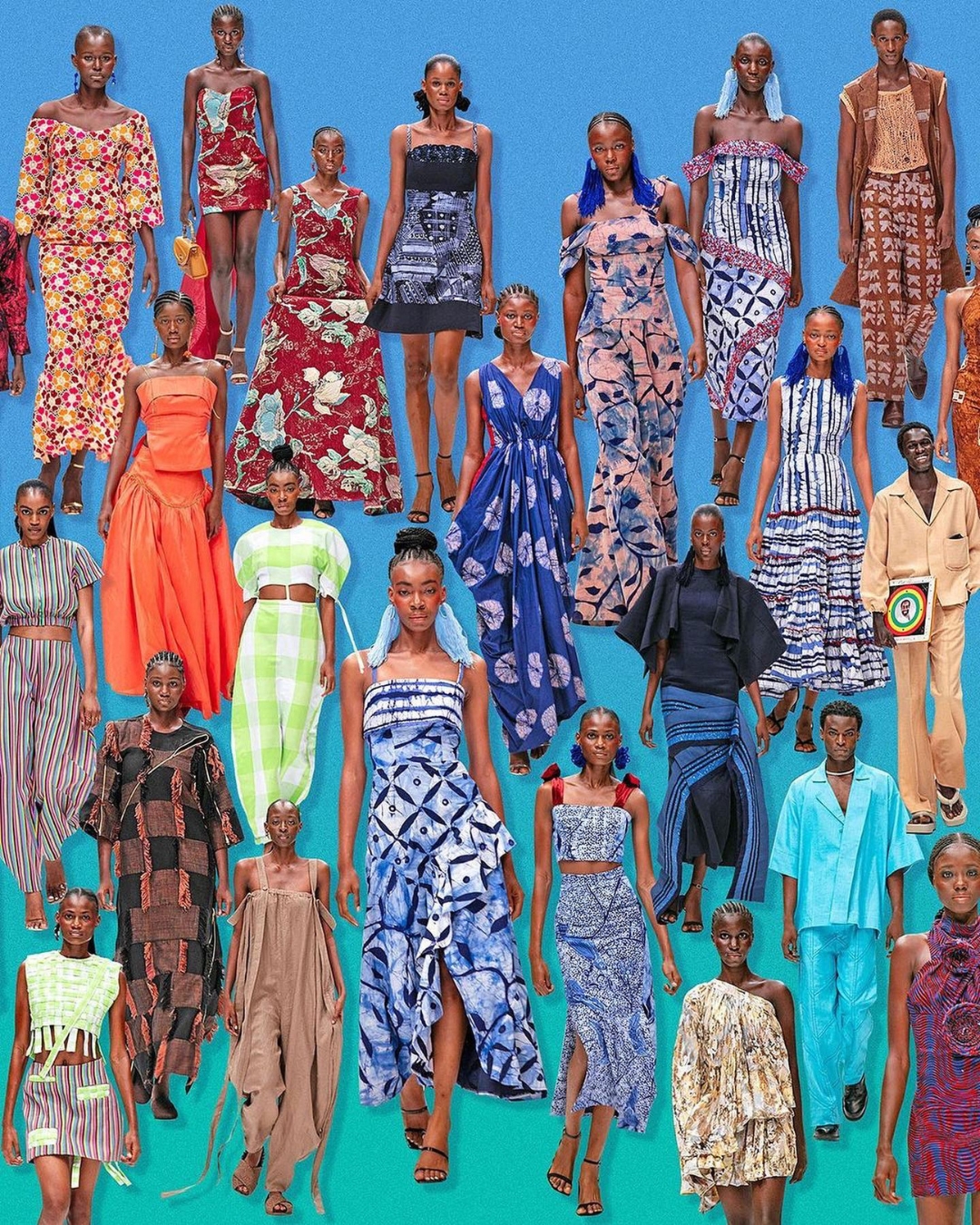
This deep connection to the raw material has allowed the designer to develop a style that stands out from the crowd, blending the elegance of handcrafted fabric with modern cuts tailored to the daily lives of active women.

From Public Law to Full-Time Entrepreneurship
Nothing explicitly indicated that Fatima Zahra Ba would pursue a career exclusively in fashion. With a degree in international relations and public law, she first worked as a technocrat in Morocco and then as a parliamentary assistant and advisor at the Ministry of Women’s Affairs in Senegal.
For several years, she juggled her professional responsibilities with the growth of So’Fatoo, until a decisive turning point:
- The realization that his creative work generated more income than his institutional job.
- The realization that there was an operational glass ceiling when faced with a massive influx of orders that it had to turn down due to a lack of production capacity.
- The deliberate decision to resign in order to devote himself entirely to his passion once the brand’s financial viability had been demonstrated.
This analytical rigor serves as a reminder that giving up a salaried career should never be based on a mere whim, but rather on tangible financial indicators and proven commercial traction.

What marketing strategies propelled the brand across the continent?
Founded in 2012, So’Fatoo quickly established itself as a pioneer in digital marketing and influencer marketing in Senegal. Going against the trend of the very flashy and ostentatious outfits that dominated the Dakar fashion scene at the time, the brand opted for elegant simplicity and modest fashion.
The success of this proposal was built on solid foundations:
- Powerful storytelling that grounds each collection in history, mythology, or local traditions.
- The avant-garde involvement of public figures and artists in conceptual visual campaigns.
- The ongoing humanization of the brand through transparent sharing of behind-the-scenes glimpses and workshop life on social media.
By selling meaning, emotion, and a sense of belonging rather than just clothes, the designer has transformed her community into a loyal network of brand ambassadors around the world.
Why Brick-and-Mortar Retail Takes Precedence Over Traditional E-Commerce
Unlike traditional approaches that prioritize the immediate launch of an e-commerce site, So’Fatoo made a conscious decision to delay the launch of its online store in order to ensure a stable production process. Faced with the unpredictability of textile supply and variations in artisanal dyes, the brand has prioritized direct contact with its customers.
This sales network now operates effectively:
- A spacious showroom measuring more than 160 square meters, located at Point E in Dakar.
- A company-owned store opened in Abidjan to serve one of its most dynamic markets.
- Selective distribution partnerships and a presence in concept stores in ten countries.
- Regular sales tours in the form of exclusive pop-up shops in Paris, Montreal, and the United States.
This flexibility makes it possible to serve both local residents and members of the diaspora who are traveling, ensuring a healthy cash flow and excellent inventory control.
When Collaboration Among Women Designers Replaces Fruitless Rivalry
One of the most inspiring lessons Fatima Zahra Ba has shared stems from her business partnership with Hélène Daba Diouf, founder of Sisters of Afrika. Rather than viewing each other as competitors, the two leaders have fostered numerous concrete synergies.
This fraternal and business partnership is exemplified by a number of landmark projects:
- The joint creation of the Arca concept store, which began in Saint-Louis before expanding to Dakar, where it is now located within the Novotel.
- The joint organization of temporary sales events and pop-up shops in Paris to share the costs of logistics and customer service.
- Mutual support in the face of management challenges, setbacks, and the pressure inherent in the fashion industry.
By moving beyond individual competition to build collective spaces, this generation of female entrepreneurs is paving the way for a more cohesive, resilient, and ambitious creative economy.
Managerial Maturity in Support of a Diverse Vision
With a team of thirty employees—including seventeen artisans dedicated exclusively to cutting, assembly, and quality control—Fatima Zahra Ba has successfully taken the leap toward delegating responsibilities. By entrusting general management and operations to specialized professionals, she has freed up her time to explore new, high-impact investment opportunities.
For the founder of So’Fatoo, African fashion cannot be reduced to a single formula. It is an archipelago of expertise bringing together haute couture pioneers, young conceptual designers, and neighborhood master tailors. It is by structuring these value chains and promoting craftsmanship without compromising on quality that the continent will assert its place at the center of global design.
Read also