From the capitals of West Africa to the major cities of Central Africa, the contemporary fashion world readily celebrates its ready-to-wear designers and haute couture fashion shows. Yet one essential component of everyday wardrobes is consistently relegated to the shadows: underwear.
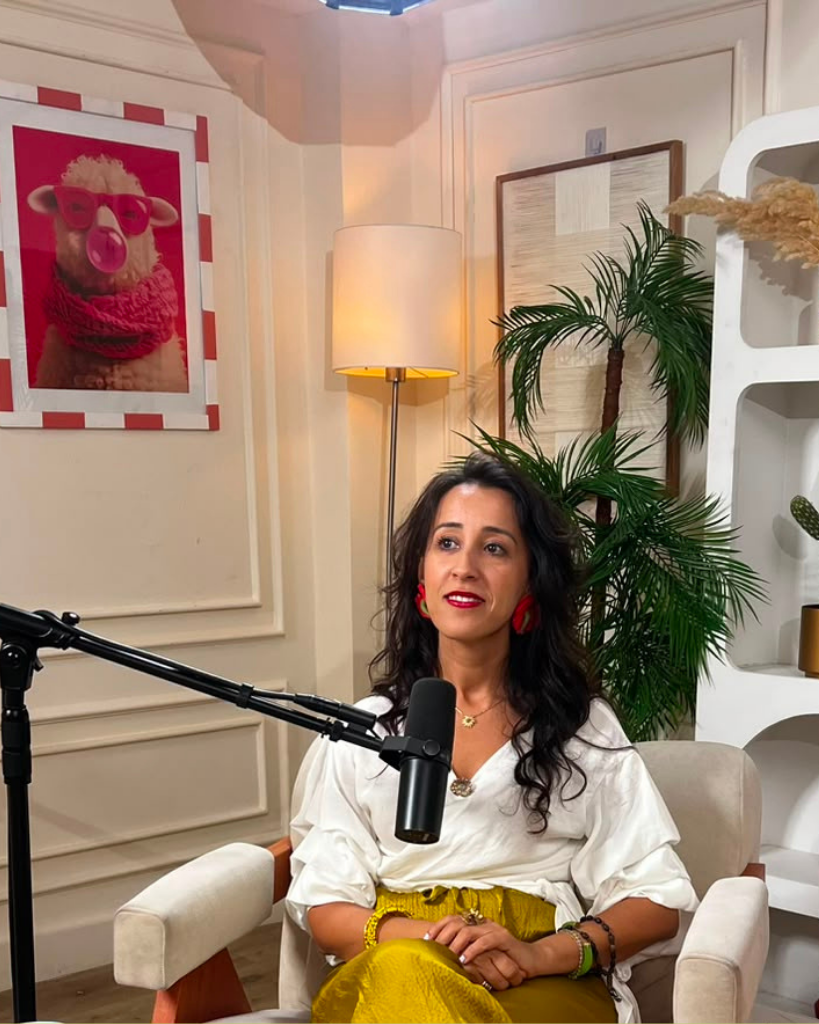
For Marie-Christine Molu, marketing director at AfoMedia and founder of the Candy Lingerie brand in Douala, this lack of transparency is a major economic anomaly. She juggles her status as an employee—working as a flight attendant—with that of an entrepreneur. She rejects the hypocrisy surrounding a market for basic necessities and advocates for the emergence of a genuine African industrial sector.
How Her Experience as a Flight Attendant Shaped a Methodical Business Discipline
Marie-Christine Molu’s career path took shape far from traditional fashion schools. After completing her undergraduate degree in economics in Cameroon, the young woman chose to enter the workforce quickly by becoming a flight attendant.
Driven by an early desire for financial independence, she juggled her flights with an online course in business unit management:
- She discovered the essence of high-end customer service and the operational rigor unique to the airline industry.
- She took over as head of her company’s office in Lagos, Nigeria, gaining firsthand knowledge of regional business dynamics.
- She acquired essential skills in inventory management, customs compliance, international shipping, and accounting.
This dual role as both an employee and an entrepreneur shaped her business vision. When she realized in the early 2000s that the local selection of underwear was limited to thrift stores or mass-produced counterfeits, she decided to take action by opening her first boutique in Douala.
Early Setbacks and Early Lessons
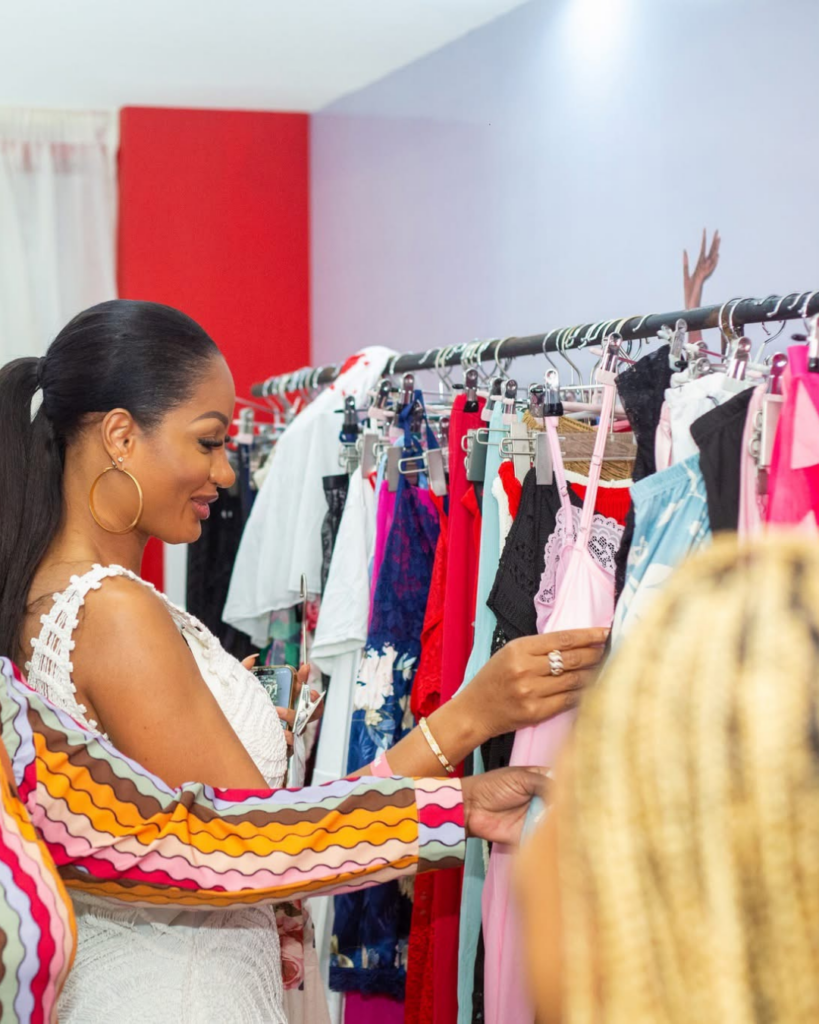
Learning the retail business was not without its challenges. From the very start of Candy Lingerie, Marie-Christine Molu experienced the complex nuances of this technical industry:
- She placed her first order with French manufacturers, where she instinctively selected her own slim size, only to discover firsthand the diversity of African women’s body types.
- Her first retail location was on a crowded street in the Akwa business district with no parking, which hindered access for her target customers.
- A quick move to an upscale residential area of Douala allowed her to instantly double her revenue.
By regularly attending trade shows in France and the United States, she has secured direct distribution agreements with major, century-old brands renowned for the quality of their support, such as Chantelle and Simone Pérèle.
Faced with economic crises and the closure of its brick-and-mortar stores in Yaoundé and Lagos during the health crisis, the company is restructuring its business model. It is transforming its traditional online store into a high-performing conversational sales channel on WhatsApp, supported by the growing adoption of e-wallets and mobile money.
Transforming African cotton to break free from dependence on foreign sources
Beyond multi-brand retail, Marie-Christine Molu has a clear ambition to build a manufacturing business. After testing her own line of pajamas and swimwear inspired by African motifs, she highlights the absurdity of the African textile value chain.
The continent produces a massive share of the world’s cotton but continues to export its raw fiber without processing:
- The crops are shipped from Africa to be spun and woven in Asian or European factories.
- The manufactured underwear then returns to African markets at prices inflated by import taxes and shipping costs.
- Local workshops lack the specialized machinery needed to handle the complexity of a bra, which requires the meticulous assembly of dozens of technical components and rigorous management of a wide range of sizes.
For the executive, this dependence is by no means inevitable. Specialized manufacturing initiatives are already emerging on the continent, proving that it is possible to train skilled workers and produce competitive parts right here in Africa.
Lingerie Africa and the Creation of an Essential Business Hub
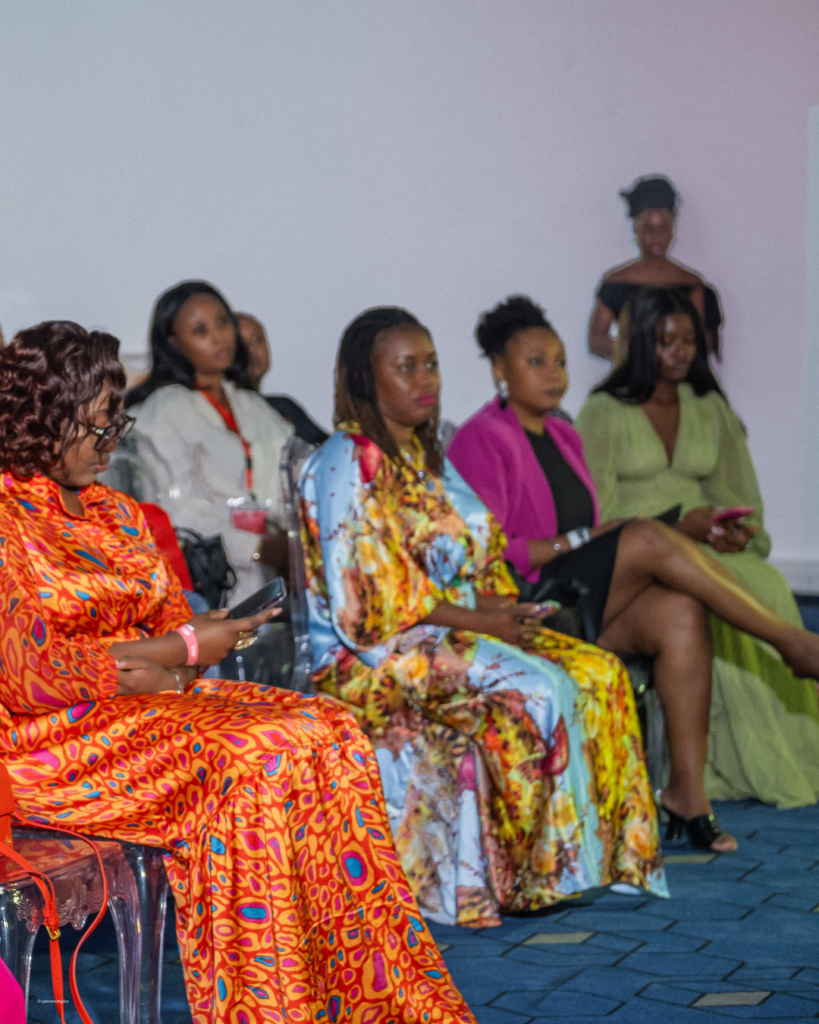
It was to accelerate this industrial maturation that Marie-Christine Molu created the Lingerie Africa international trade show. Following a highly successful inaugural edition in Côte d’Ivoire, the event will bring together the entire value chain at the Hôtel Ivoire in Abidjan on February 6, 2027.
The platform organizes discussions around strategic priorities that are essential to the sector:
- To bring together under one roof fiber producers, spinning mills, weavers, brand designers, wholesalers, and buyers from department stores.
- Discuss, during an inaugural conference, the industrialization of lingerie, the promotion of local materials, and the structuring of regional markets.
- Offer hands-on masterclasses to equip young entrepreneurs to compete with well-established international conglomerates such as Etam.
- Showcase exhibitors’ creations during daily fashion shows featuring live models to highlight the drape, freedom of movement, and real-world appeal of the products.
This initiative also aims to establish a permanent professional directory and continuing education modules to foster inter-company collaboration throughout the year.
Why We Must Put an End to the Moral Hypocrisy Surrounding Intimacy
One of Marie-Christine Molu’s most vigorous battles concerns the cultural perception of the industry. In many countries across the continent, entrepreneurship in the lingerie industry continues to be met with a kind of silent disapproval:
- Social media algorithms arbitrarily censor advertising campaigns featuring underwear, mistakenly classifying them as inappropriate content.
- Local regulations on indecency keep the most sophisticated or erotic products confined to informal back-alley shops.
- Government agencies are forgoing significant tax revenue by turning a blind eye to an underground market worth billions of CFA francs.
As demonstrated by the commercial dynamism of Senegal, where women have developed refined rituals of seduction combining jewelry, incense, and precious oils, the demand for high-end lingerie is immense.
For Marie-Christine Molu, lingerie is not at all risqué: it is a product related to hygiene, postural health, and personal well-being that concerns the entire population. By professionalizing the industry and opening its fashion shows to the general public, Lingerie Africa is helping to normalize this business and give it the economic recognition it deserves within the continent’s creative industries.