The Arab World Institute Promotes Contemporary Art in Paris
From Casablanca to Baghdad, via Paris and Ramallah, we take a closer look at the finalists for the 2026 Arab World Fashion Award, which is shaking up the conventions of contemporary design.
An institutional springboard for excellence in the heart of Paris
The Arab World Institute reaffirms its role as a cultural hub and trendsetter by renewing this prestigious award. Far from being a mere social event, this award serves as a true seal of quality, providing independent creators with international visibility and essential business support.
The jury and the selection committee evaluate candidates based on their aesthetic uniqueness, the viability of their business model, and their commitment to eco-friendly practices or the preservation of traditional craftsmanship.
The Four Pillars of Contemporary Art
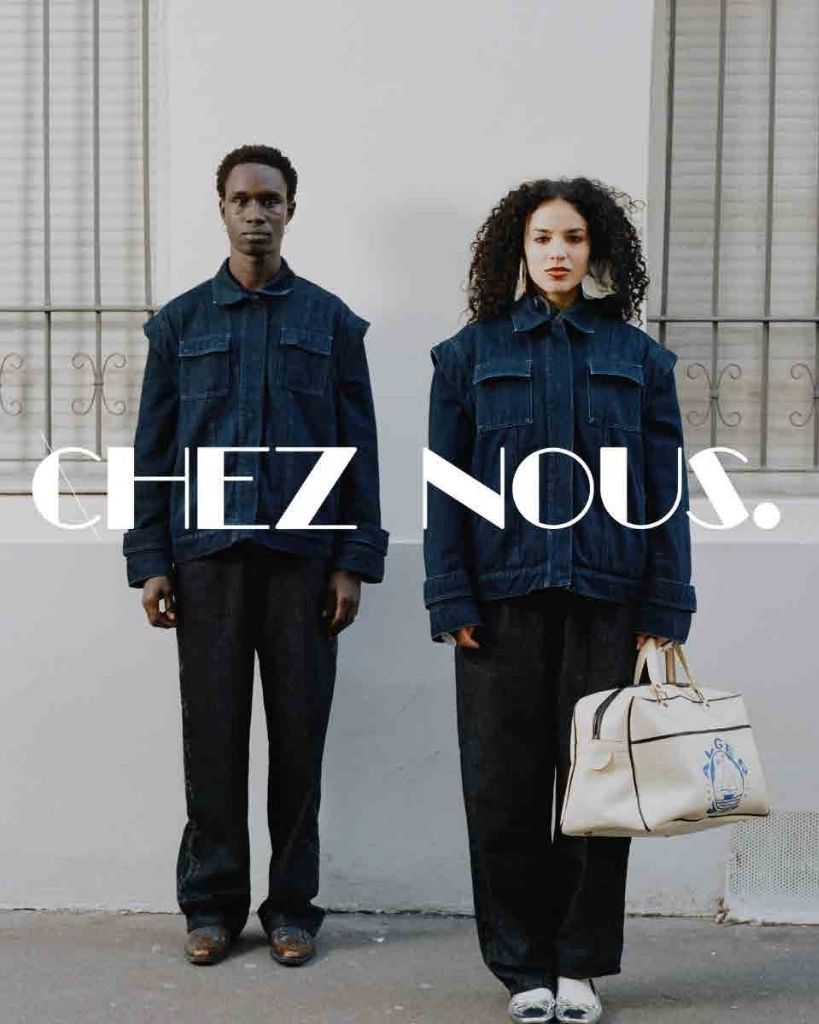
Camélia Barbachi – AT HOME – Tunisia
The competition is organized around four strategic categories designed to highlight all aspects of the fashion and arts and crafts industries:
1. Emerging Talent
Recognizes an early-stage startup whose vision stands out for its conceptual uniqueness and future potential.
2. Talent Entrepreneurship Creative
Recognizes a professional who has successfully built a brand that combines a strong creative identity with a rigorous business acumen.
3. Talent Creative Excellence and Know-How
Showcases technical mastery and the modern reinterpretation of artisanal traditions in the high-end segment.
4. Talent Accessories
Honors a designer or brand specializing in accessories (jewelry, leather goods, shoes, scarves) that stands out for its bold designs.
Profiles of the 2026 Finalists
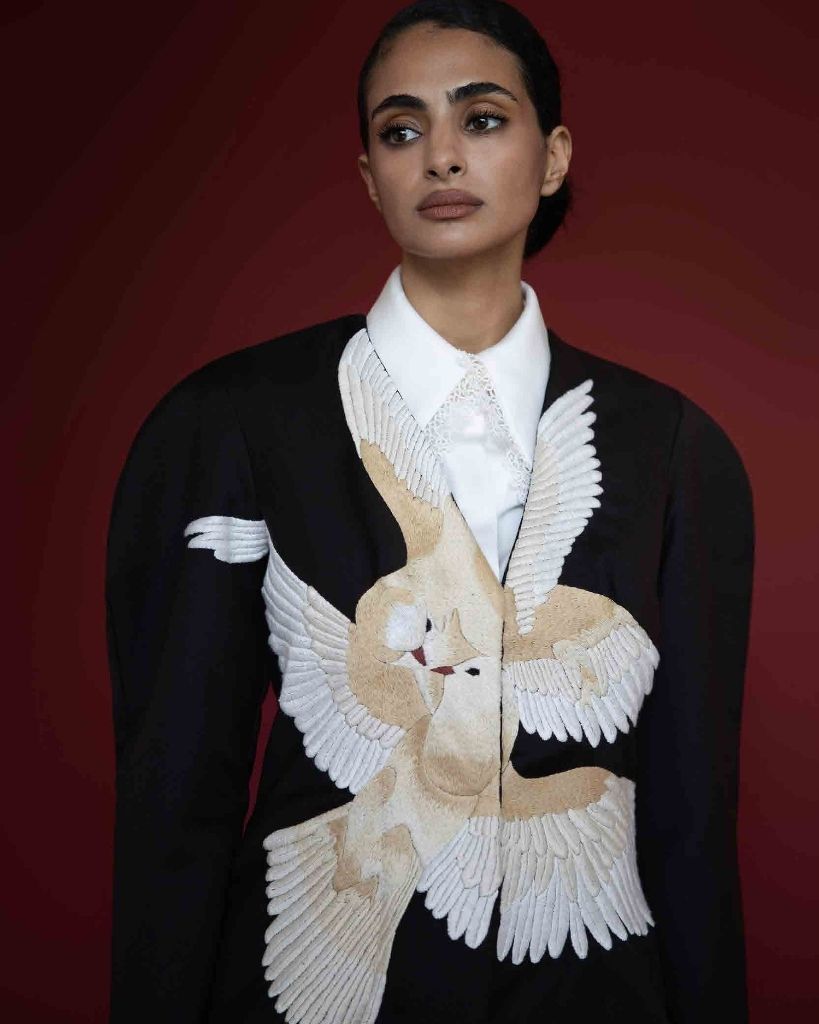
Salim Azzam – Lebanon
The selection committee has announced a truly impressive list of nominees. Here is a brief overview of the finalists.
Category 1: Emerging Talent
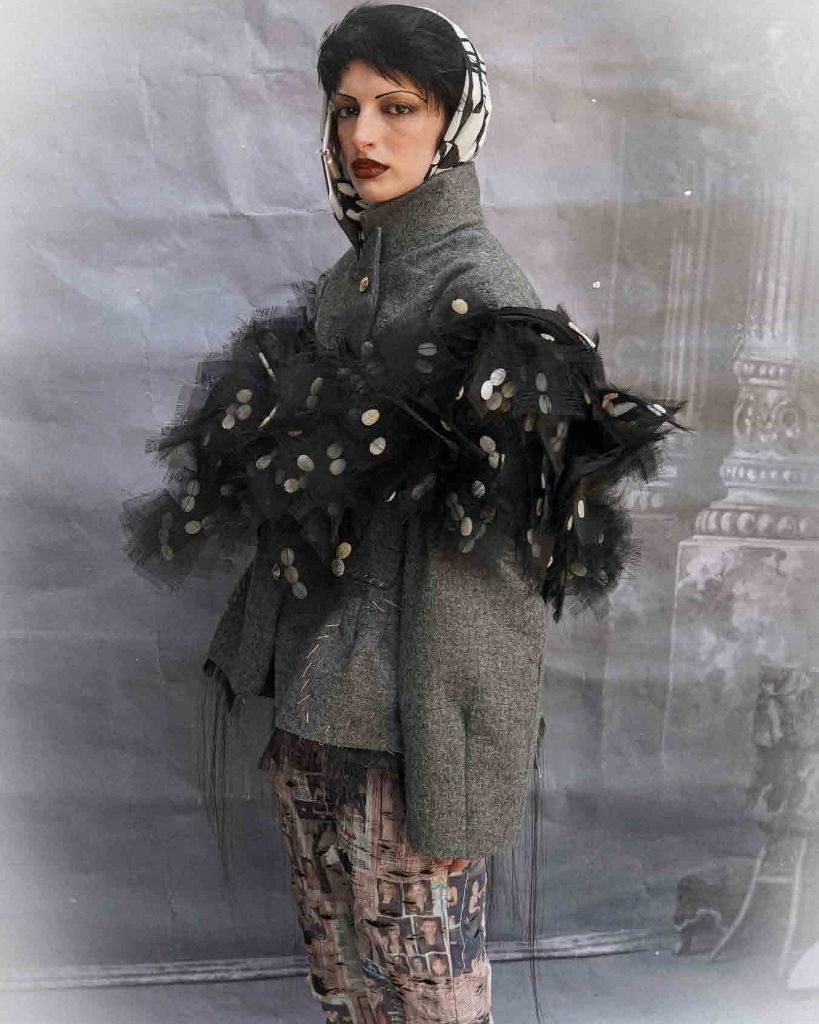
Zahra Al-Najjar – Iraq
- Cindy Abi Chala (CIN PARIS) — Lebanon: A Paris-based slow-fashion brand with a darkly romantic aesthetic, using exclusively surplus fabric from luxury fashion houses.
- Zahra Al-Najjar — Iraq: A graduate of Central Saint Martins who trained at Viktor & Rolf and Louis Vuitton, she explores themes related to the memory of the Iraqi diaspora.
- Kazna Asker — Yemen: A pioneer of inclusive fashion at London Fashion Week, she blends contemporary sportswear with traditional Middle Eastern textiles.
- Youssef Drissi (LATE FOR WORK) — Morocco: A contemporary urban label that deconstructs formal wear through oversized, flowing silhouettes.
- Assiya Dupont (ASSIYA STUDIO) — Algeria: An architectural and sculptural approach to clothing, playing with structures and contrasts in materials.
- Ayham Hassan — Palestine: An award-winning designer whose socially conscious textile work is on display at the Venice Biennale and part of the collection at the V&A Museum.
- Mira Maktabi — Lebanon: Based in London, she designs elegant silhouettes in silk and wool, drawing on her family’s expertise in Persian rugs.
- Moulham Obid — Syria: A Vienna-based fashion designer who incorporates hand embroidery and crochet created in collaboration with Syrian craftswomen.
- Ibrahim Shebani (BORN IN EXILE) — Libya / Tunisia: An eco-friendly brand designed in Tunisia, inspired by Libyan history and architectural heritage.
Category 2: Creative Entrepreneurship Talent
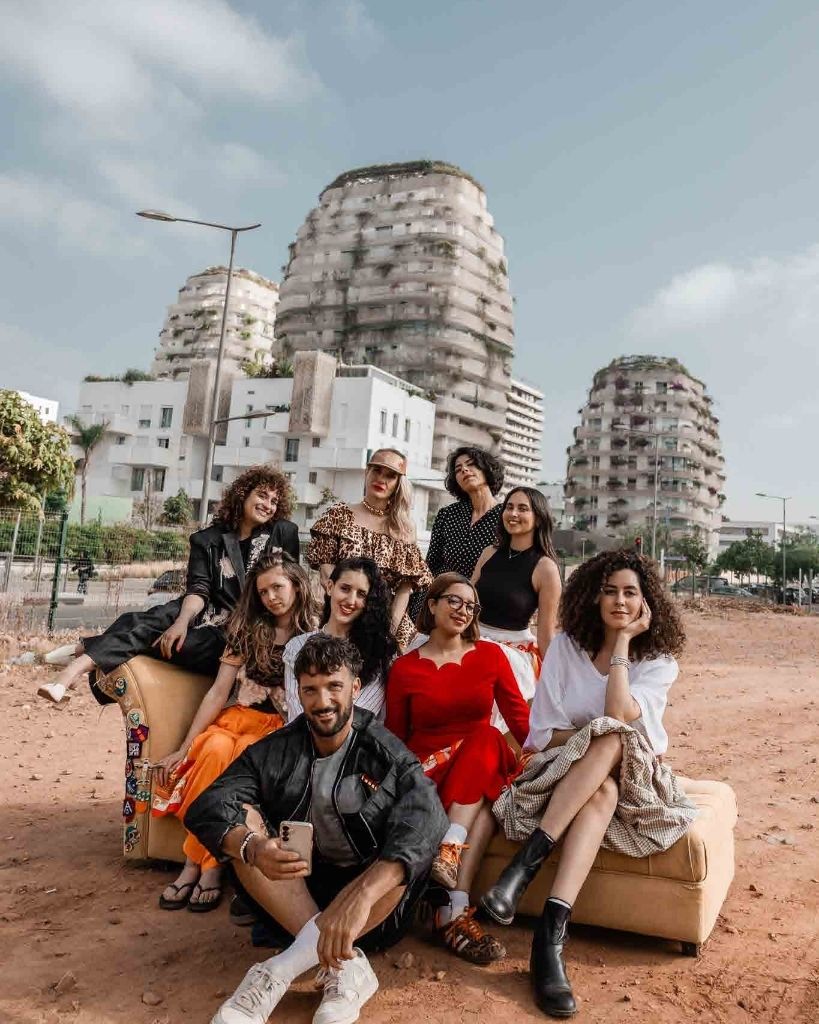
Angéline Dangelser – LABEL OUED – Morocco
- Camélia Barbachi (CHEZ NOUS) — Tunisia: Eco-friendly Franco-Tunisian brand named “Designer for the Planet” at Milan Fashion Week.
- Yassine Chenna (YC) — Morocco: A brand of minimalist premium sneakers made from certified leather and recycled materials.
- Angéline Dangelser (LABEL OUED) — Morocco: A creative, transdisciplinary third place in Casablanca that brings together fashion, textile engineering, and design.
- Hind Hilal (HINDHILAL) — Palestine: An architect by training, she designs a structured clothing line in limited editions from Bethlehem in collaboration with local workshops.
- Samar Nasraldin — Saudi Arabia: A luxury ready-to-wear brand focused on 3D draping, available at Selfridges in London and Harvey Nichols in Riyadh.
- Anass Taf (FISCA BRAND) — Morocco: A brand based in Fez that reinterprets understated Moroccan elegance through functional designs.
- Kenza Taleb Vandeput (KASBAH KOSMIC) — Algeria: A Brussels-based brand and pioneer of Algerian-inspired upcycled streetwear.
- Lilia Yasmin (ATLAL FROM GALBI) — Algeria: A cultural and visual project celebrating Arab heritage, selected for the prestigious DAZED 100 in 2025.
Category 3: Creative Excellence and Expertise
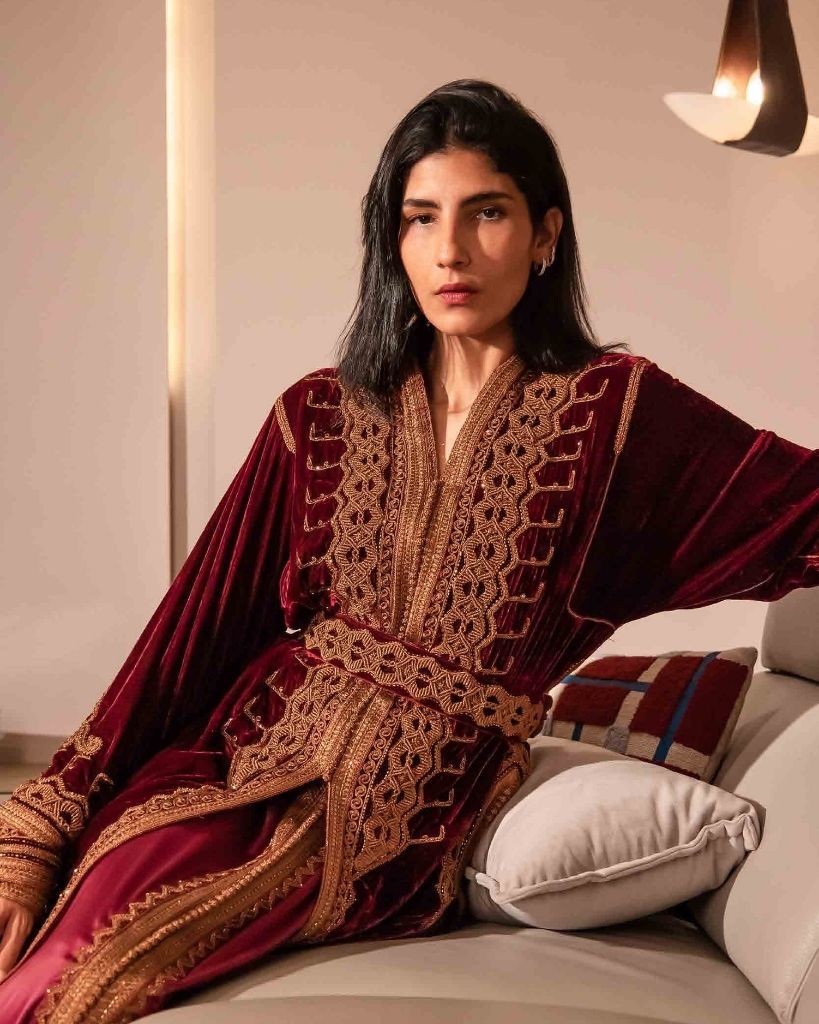
Zineb Ghazali – ZINEB GHAZALI COUTURE – Morocco
- Sara Afailal (AFYLA) — Morocco: A fashion house that celebrates Moroccan heritage through modern haute couture produced in limited editions.
- Salim Azzam — Lebanon: Ethical and poetic designs that showcase traditional hand-embroidery crafted by the women of Mount Lebanon.
- Zineb Ghazali (ZINEB GHAZALI COUTURE) — Morocco: Haute couture specializing in Moroccan caftans, enhanced by beading and traditional trimmings.
- Hazem Kais (GOODKILL) — Lebanon: An experimental studio that sculpts, ages, and naturally dyes textiles to create unique surfaces.
- Nisreen Omer Suliman Koko (KUKU) — Sudan: A Paris-based contemporary jewelry designer who reinterprets traditional Sudanese jewelry.
- Ghitta Laskrouif (GHITTA STUDIO) — Morocco: A high-end slow-fashion brand based in Casablanca, known for its textures and artistic embroidery.
- Layali Maddah (NOTTI) — Saudi Arabia: Contemporary jewelry from Jeddah that incorporates unconventional materials and sustainable practices.
Category 4: Accessories Talent
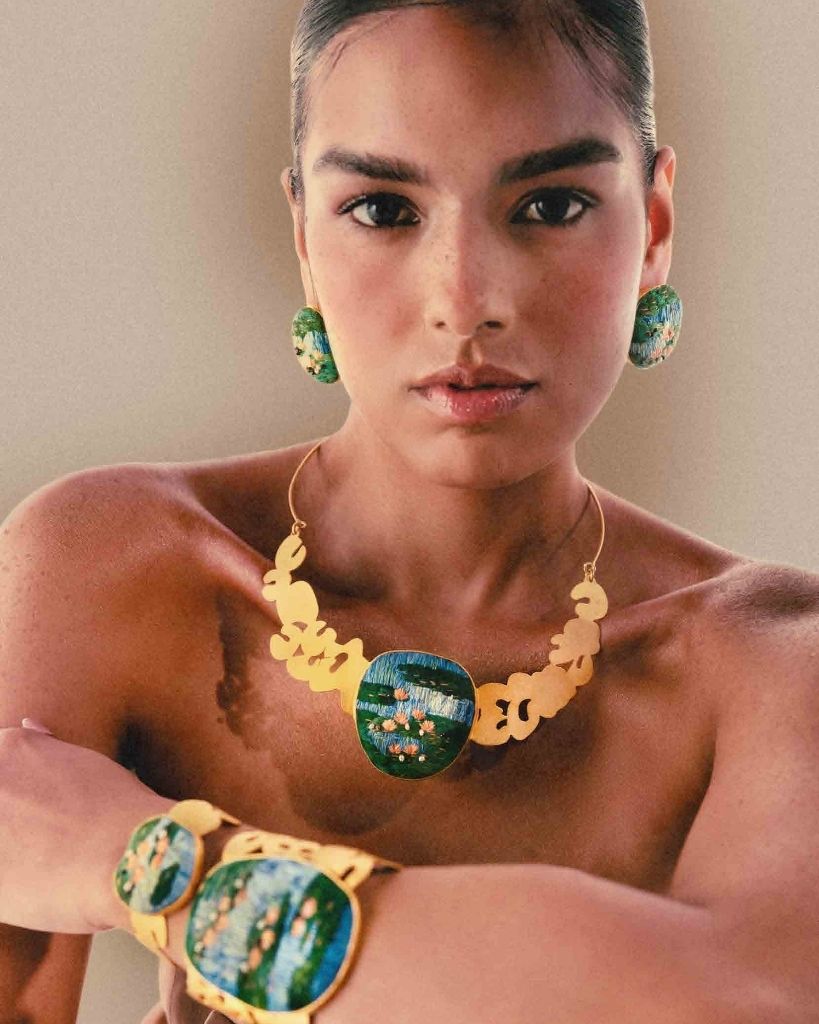
Fatma Mostafa – FATMA MOSTAFA JEWELRY – Egypt
- Dalila Barkache (DALILA BARKACHE) — Morocco: A graduate of the Haute École de Joaillerie de Paris, she creates sculptural jewelry using precious metals and pearls.
- Amel Batita — Algeria / Tunisia: An “Art Cycling” concept that transfers original paintings onto Italian-made silk scarves.
- Mohammed el Mehdi Benabdel Moumen (BAMEL) — Morocco: Luxury leather goods in Marrakech that interpret zellige architecture through structured leather panels.
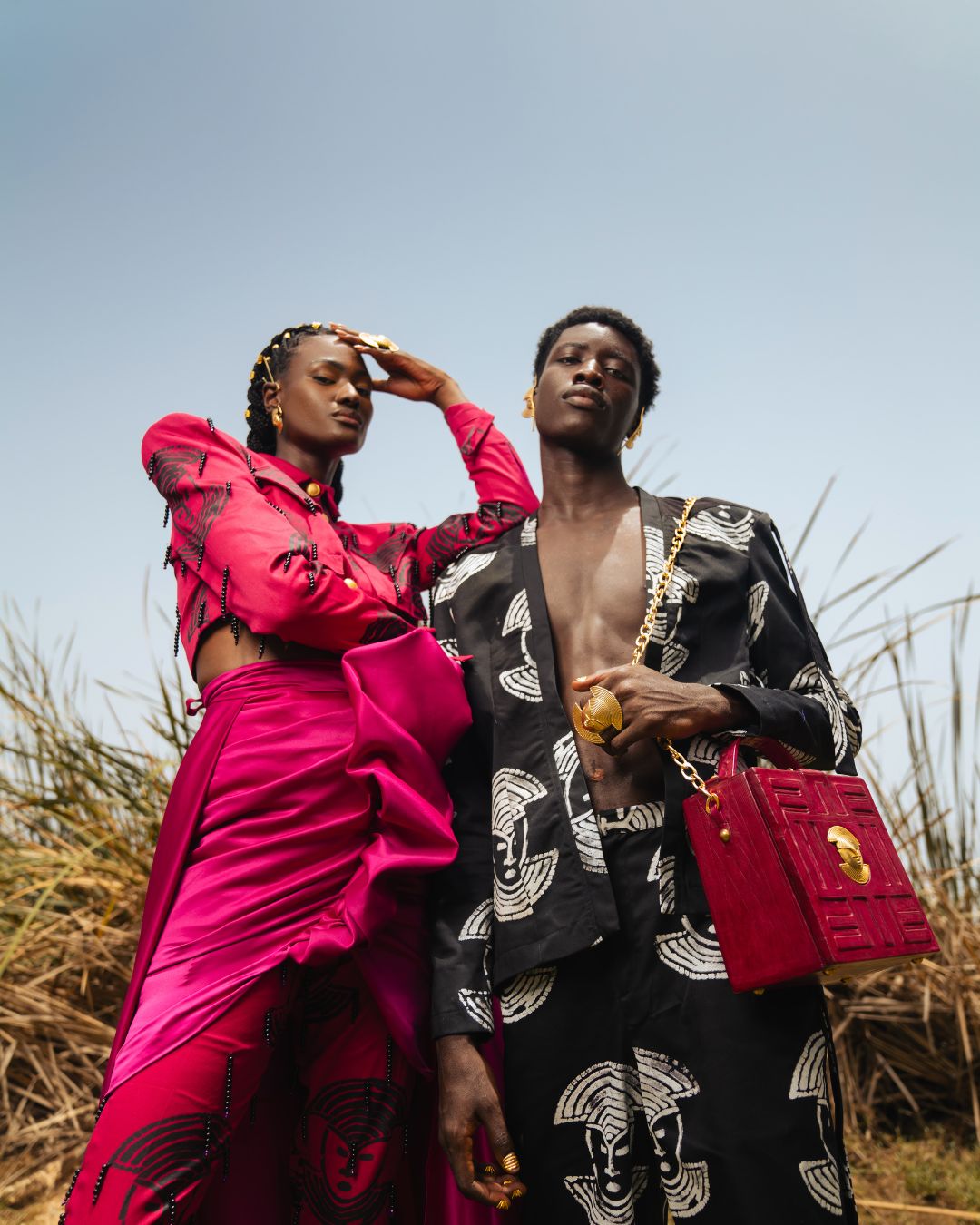
- Karima Bidar (ISLI) — Morocco: Amazigh-inspired and graphic jewelry, featured at Printemps Haussmann in Paris.
- Kays Masood — Syria: Contemporary jewelry designed as emotional archives of everyday objects.
- Fatma Mostafa (FATMA MOSTAFA JEWELRY) — Egypt: An innovative fusion of miniature thread embroidery and metalwork.
- Nadeen Rabie (NAD JEWELRY) — Palestine: Handcrafted silver rings made in Amman, reviving traditional Arab ornamentation.
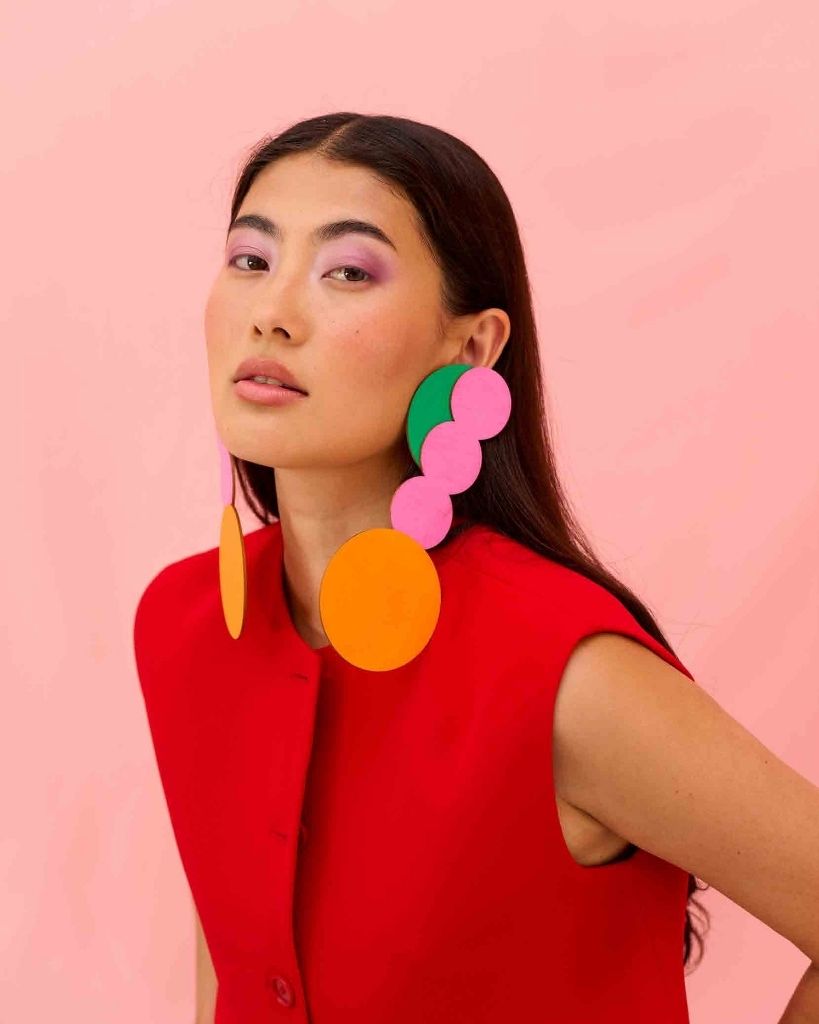
- Leila Roukni (TALEL) — Morocco: A brand of bold, geometric accessories and winner of the Fashion Trust Arabia Accessories Award.
- Gaëlle Samaha & Raphaël Samaha (EL) — Lebanon: A duo awarded the AMI x IFM Prize for their symbolic jewelry created in both Beirut and Paris.
- Marrim Akashi Sani — Iraq: A Detroit-based jewelry artist who explores faith and identity, with an upcoming exhibition at the Guggenheim Museum.
The Road to the Championship
Now that the application period has closed and the finalists have been officially announced at the end of June, the countdown has begun.
The awards ceremony will be held on Wednesday, September 30, 2026, in the reception halls of the Arab World Institute in Paris, bringing together decision-makers from the luxury, cultural, and trade press sectors.
A Creative Revolution Underway
The richness of this selection demonstrates that fashion from the Arab world is making its mark through the power of its narratives, the precision of its craftsmanship, its commitment to the environment, and its ability to foster a dialogue between contemporary art and millennia-old artisanal techniques.
These designers are shaping the future of a globalized luxury that is more humane, more mindful, and infinitely poetic.
Featured photo: Karima Bidar (ISLI) — Morocco
Read also